
Sandpits
Ignite their imagination with our garden sandpits. From traditional wooden pits to creative play tables, find the perfect spot for digging and building.
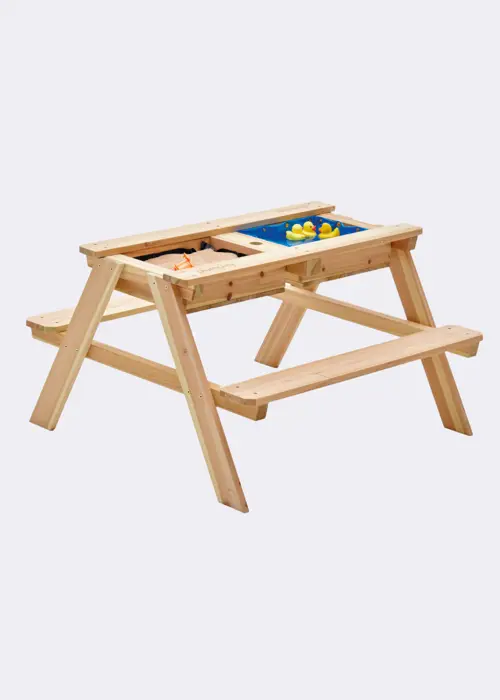


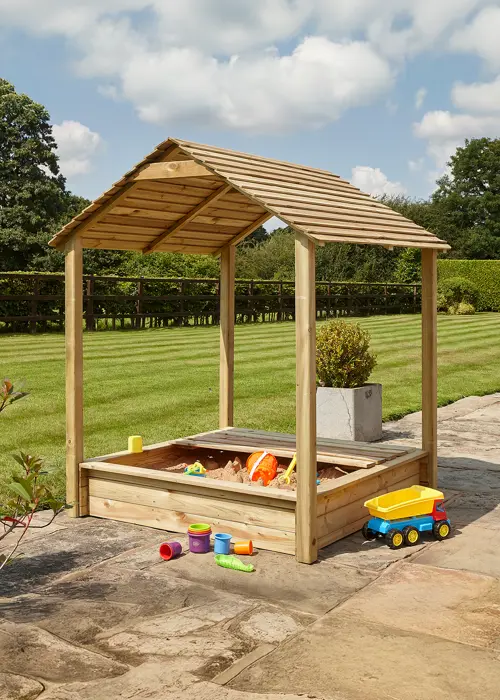
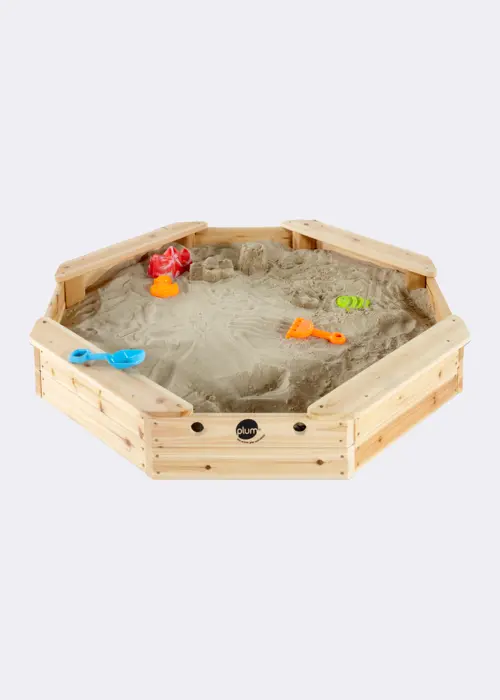
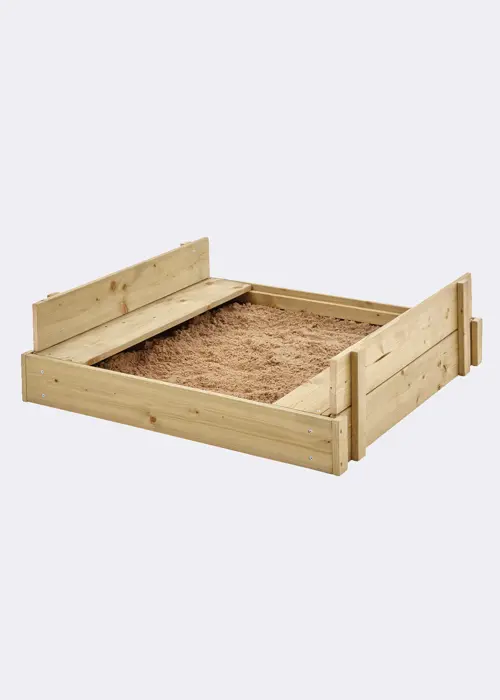
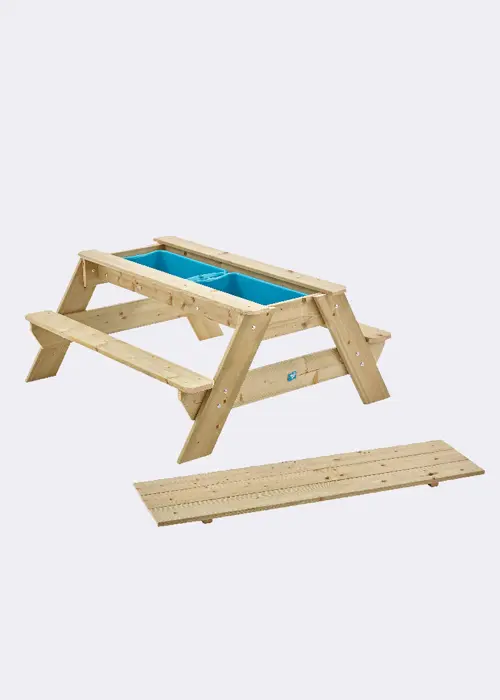
Bring the joy of the seaside to your doorstep with our enchanting collection of garden sandpits, designed to encourage sensory play and creative exploration. Sand play is a wonderful way for children to develop fine motor skills and hand-eye coordination as they scoop, pour, and mould their way through the afternoon. Our range features high-quality, sustainably sourced timber and durable plastic designs, many with integrated lids and seating, ensuring a clean and comfortable play environment for your little builders to enjoy for years to come.
Yes, sandpits provide a safe and highly beneficial environment for sensory development, provided they are managed correctly. To ensure maximum safety, always use specially washed "play sand," which is non-toxic and rounded to avoid irritation. It is also vital to use a sandpit with a secure lid or cover when not in use to keep out garden debris and local wildlife, ensuring the sand remains clean and hygienic for every play session.
The "best" sandpit depends on your garden size and how you want it to look. Wooden sandpits are a popular choice as they offer a classic aesthetic and often feature built-in benches that fold down into a lid. If space is limited, a plastic "shell" or a raised sand and water table is excellent for balconies or patios. For those seeking longevity, look for pressure-treated timber models that resist rot and can withstand the British weather year-round.
You should only ever use recognised "play sand" in your sandpit. Unlike builders' sand, which can be abrasive and stain clothing, play sand is thoroughly washed, dried, and pressure-treated to remove impurities. The grains are also smoother, making it safer for delicate skin and much better for building sturdy sandcastles. We recommend refreshing your sand once a year to keep the play area fresh.
Place your sandpit on a flat, level surface in a spot that offers a balance of sun and shade. To prevent the sand from becoming waterlogged, it is a good idea to place the pit on a permeable surface like grass or a patio with a weed-membrane liner underneath. Avoid placing it directly under trees where falling leaves and sap can clutter the sand, and try to keep it within clear sight of the house for easy supervision.
The most effective way to maintain a sandpit is to use a fitted cover or lid every time playtime is over. This prevents rain from turning the sand into mud and stops cats or other animals from using it as a litter tray. If the sand does get wet, leave the lid off on a sunny day to let it air out and dry completely, which helps prevent the growth of mould or an "earthy" smell.
The amount of sand required depends on the dimensions of the pit, but as a general rule, you want a depth of about 10–15cm for a good digging experience. Most standard-sized wooden sandpits require between 4 and 8 bags of 20kg play sand. It is often better to underfill slightly at first, as you can always add more later, and it helps keep the sand contained within the walls of the pit during vigorous play.