

Fire Pit Logs & Chiminea Fuel
Looking to warm up your outdoor space? Our range of high quality fire pit logs and chiminea fuel means you'll be able to add a cosy warmth to all of your evening get-togethers. Fire it up!

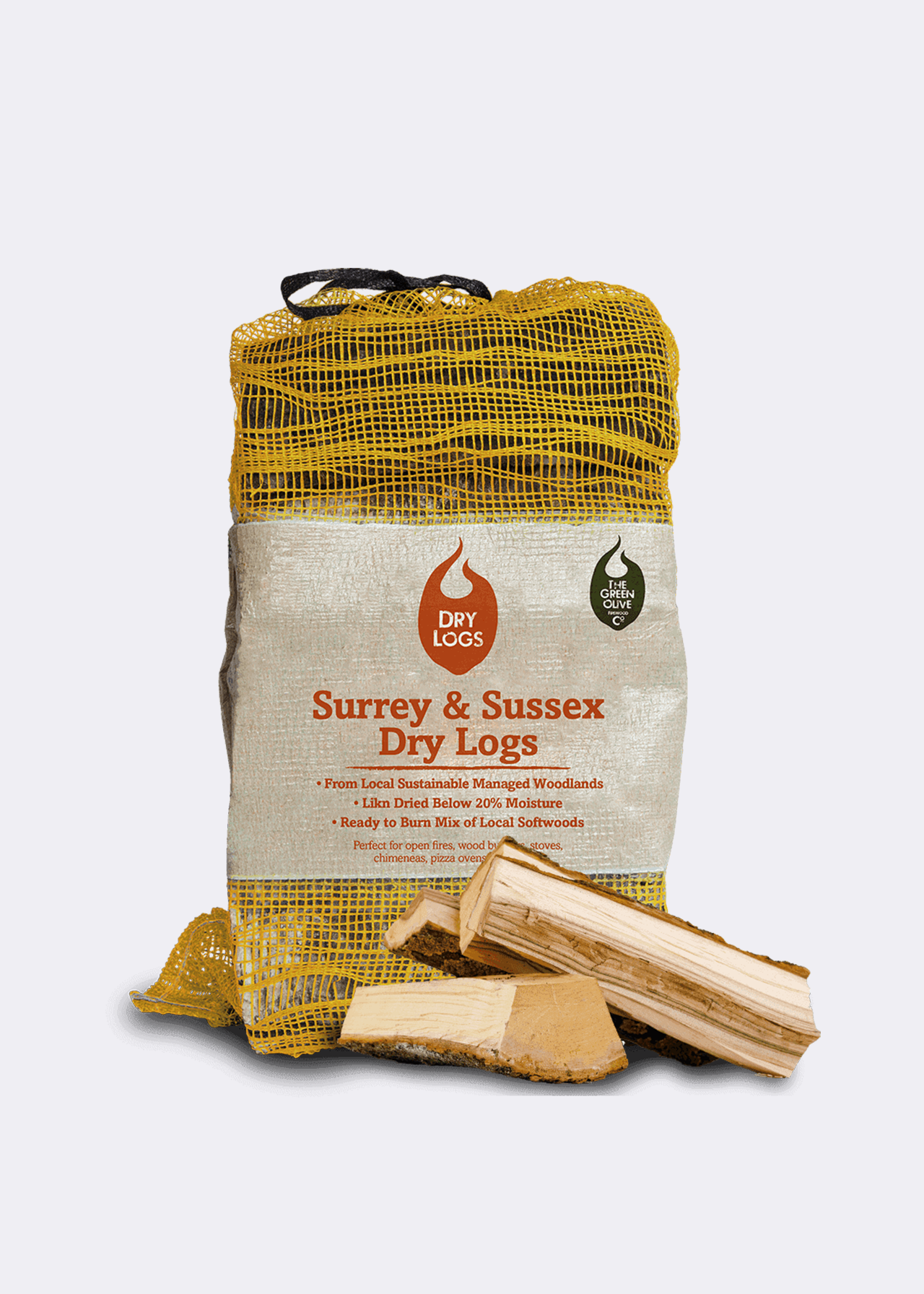
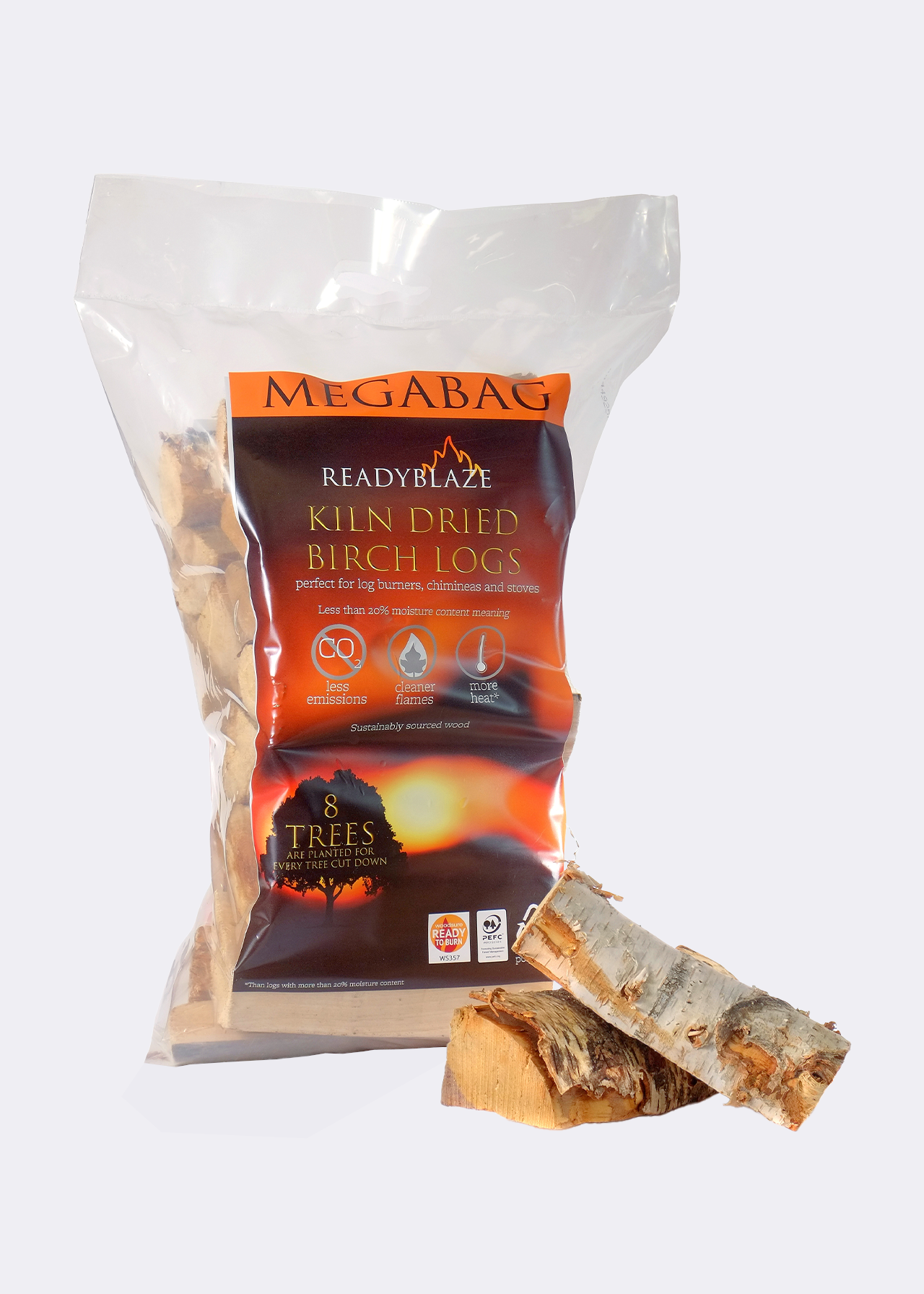





For the cleanest and most efficient burn, kiln-dried hardwood logs (such as birch, oak, or ash) are the gold standard. They have a very low moisture content - typically below 20% - which means they light easily, produce intense heat, and generate very little smoke. If you have a clay chiminea, these logs are especially ideal as they provide a steady, manageable heat that won't cause the structure to shock or crack.
We generally advise against using standard house coal. In clay chimineas, coal burns far too hot and can cause structural damage or cracking. In metal fire pits, coal can produce heavy smoke and soot. If you require a longer burn, look for specialist smokeless fuel or "heat logs" designed specifically for outdoor use, but always check your manufacturer’s guidelines first.
Excessive smoke is almost always caused by moisture. If you are burning "green" wood or logs that have been left out in the rain, the energy of the fire is wasted drying out the water, resulting in thick, acrid smoke. Using kiln-dried logs and ensuring your fuel is stored in a dry, ventilated spot will solve this problem and give you a much more pleasant alfresco experience.
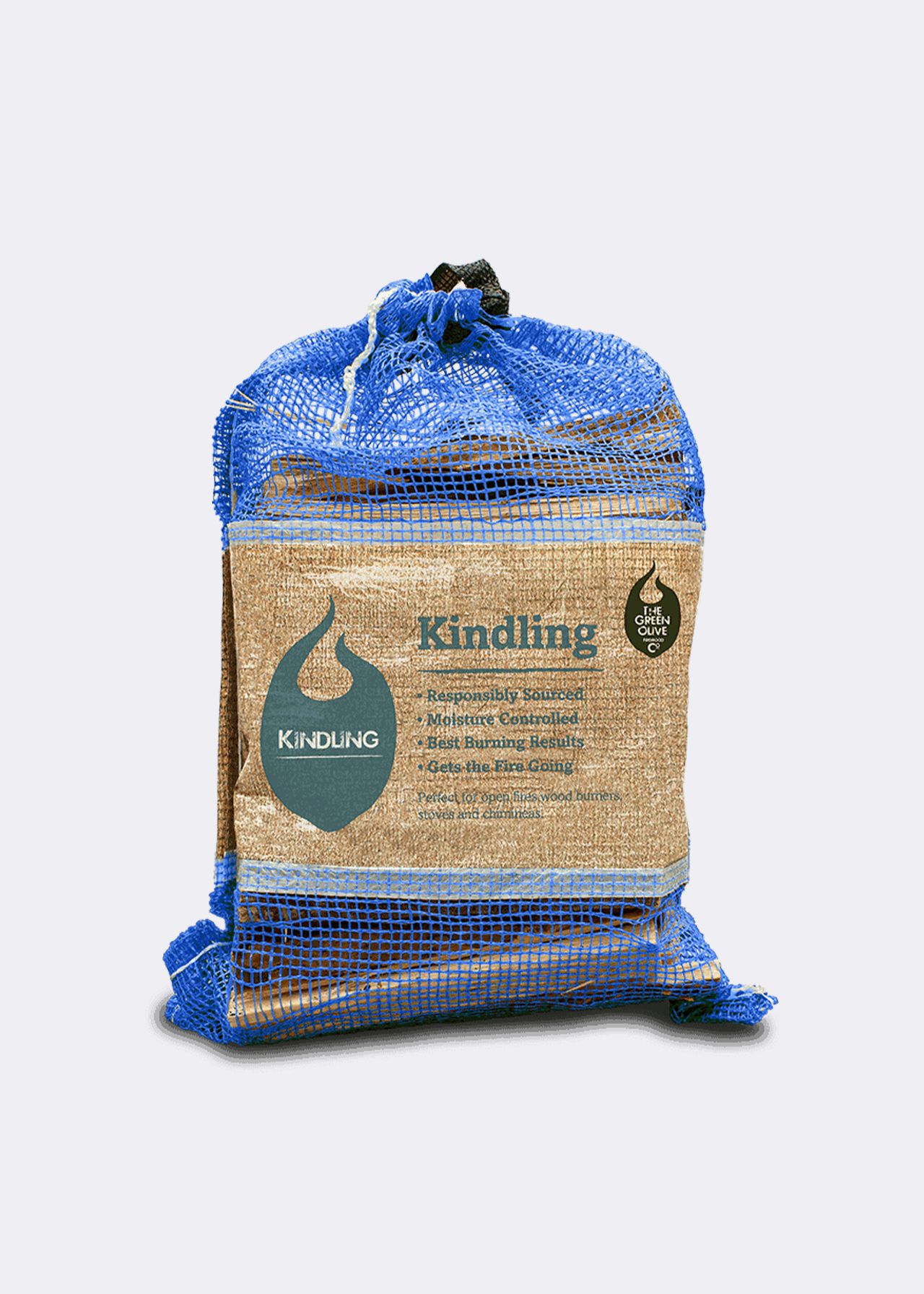
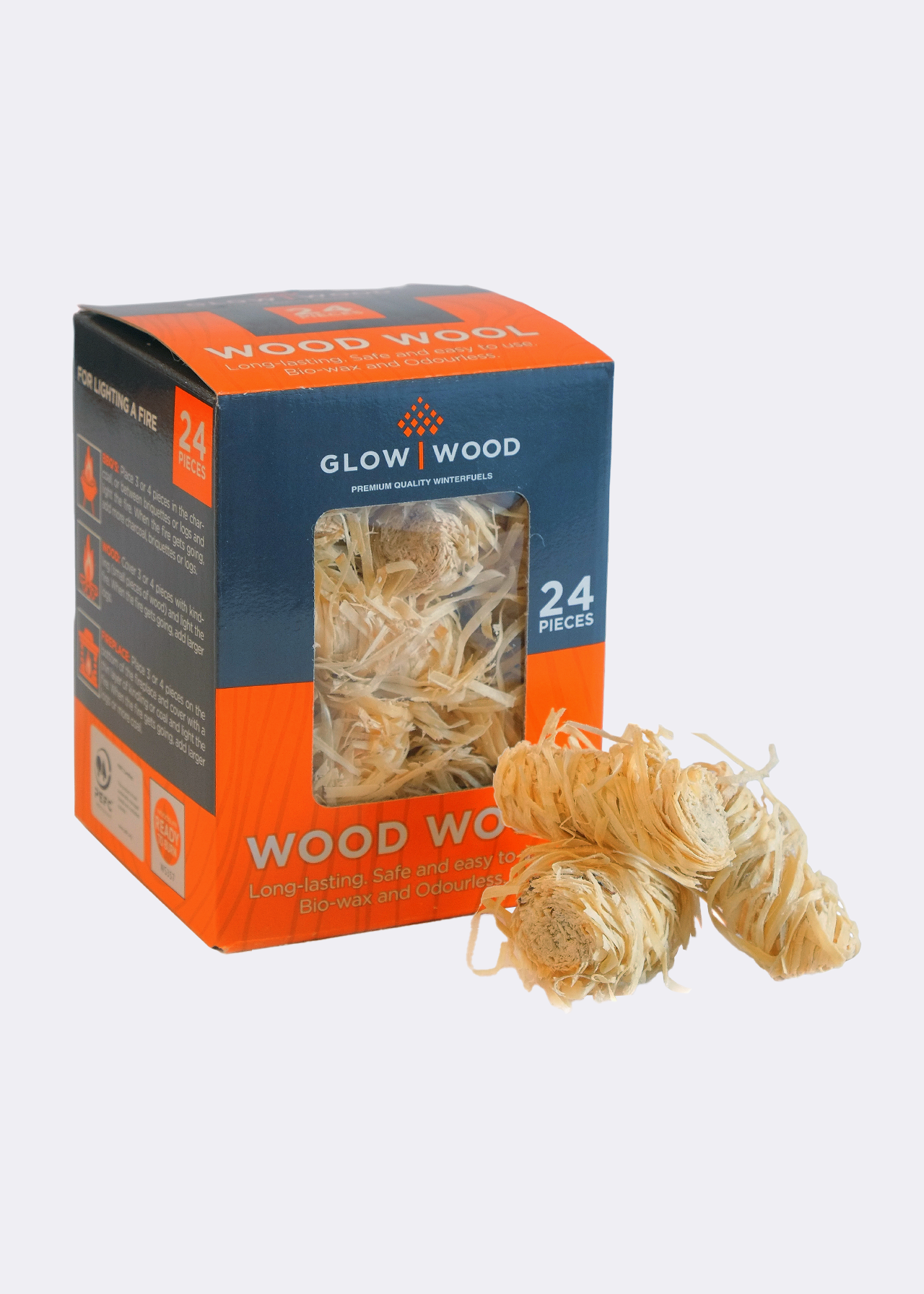
A successful fire starts small. We recommend using two or three natural firelighters at the base, covered by a generous handful of dry kindling sticks arranged in a "tepee" or "jenga" stack. Once the kindling is roaring, you can gradually add smaller logs, moving up to larger logs once a hot bed of embers has formed. Starting with logs that are too large is a common mistake that often smothers the flame.
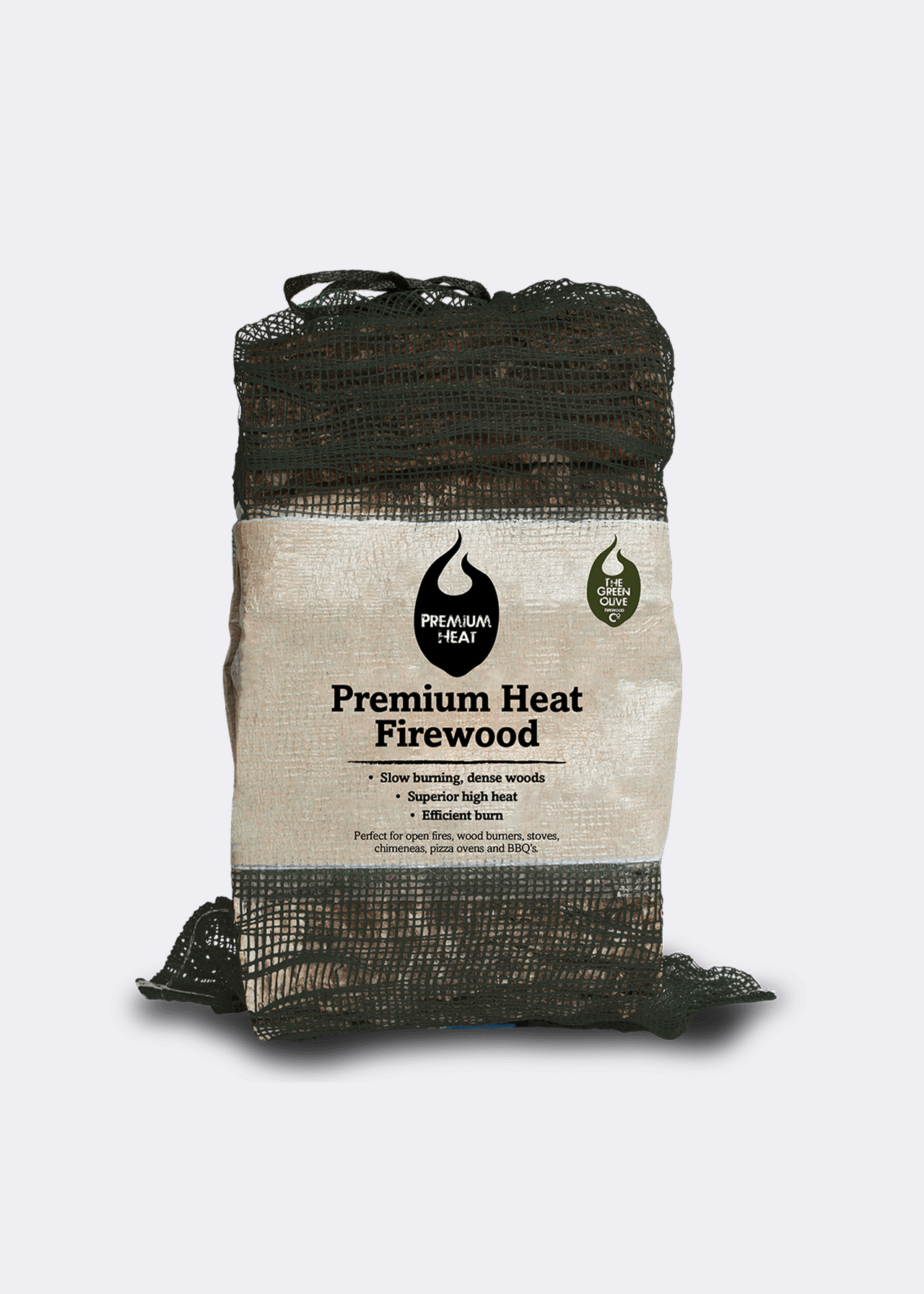
Heat logs are made from highly compressed sawdust and wood by-products. Because they are so dense and dry, they burn for much longer than traditional logs and provide a very consistent, high heat output. They are an eco-friendly choice as they often use recycled materials, and they are incredibly easy to store as they don't "spit" or pop like some natural hardwoods might
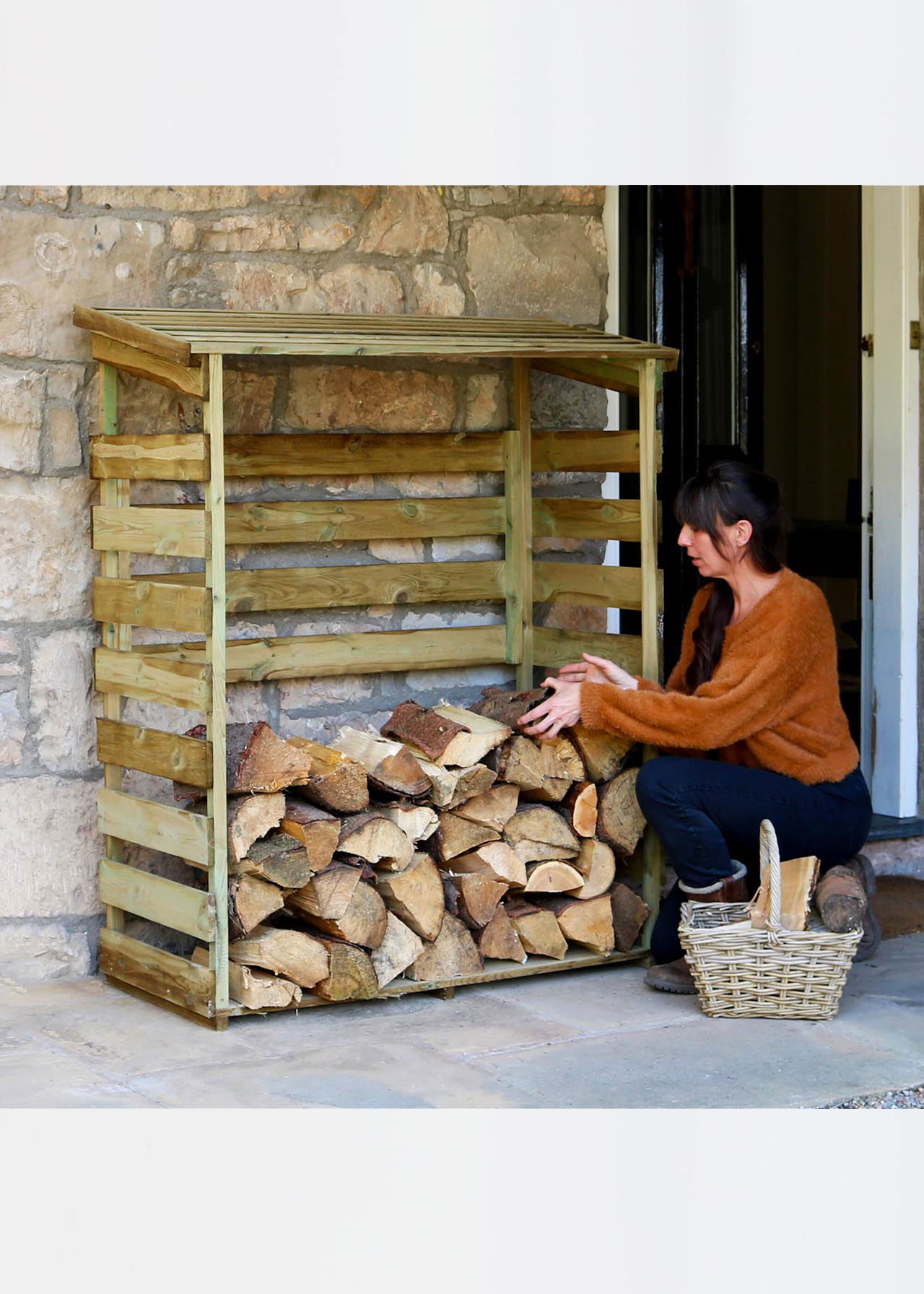
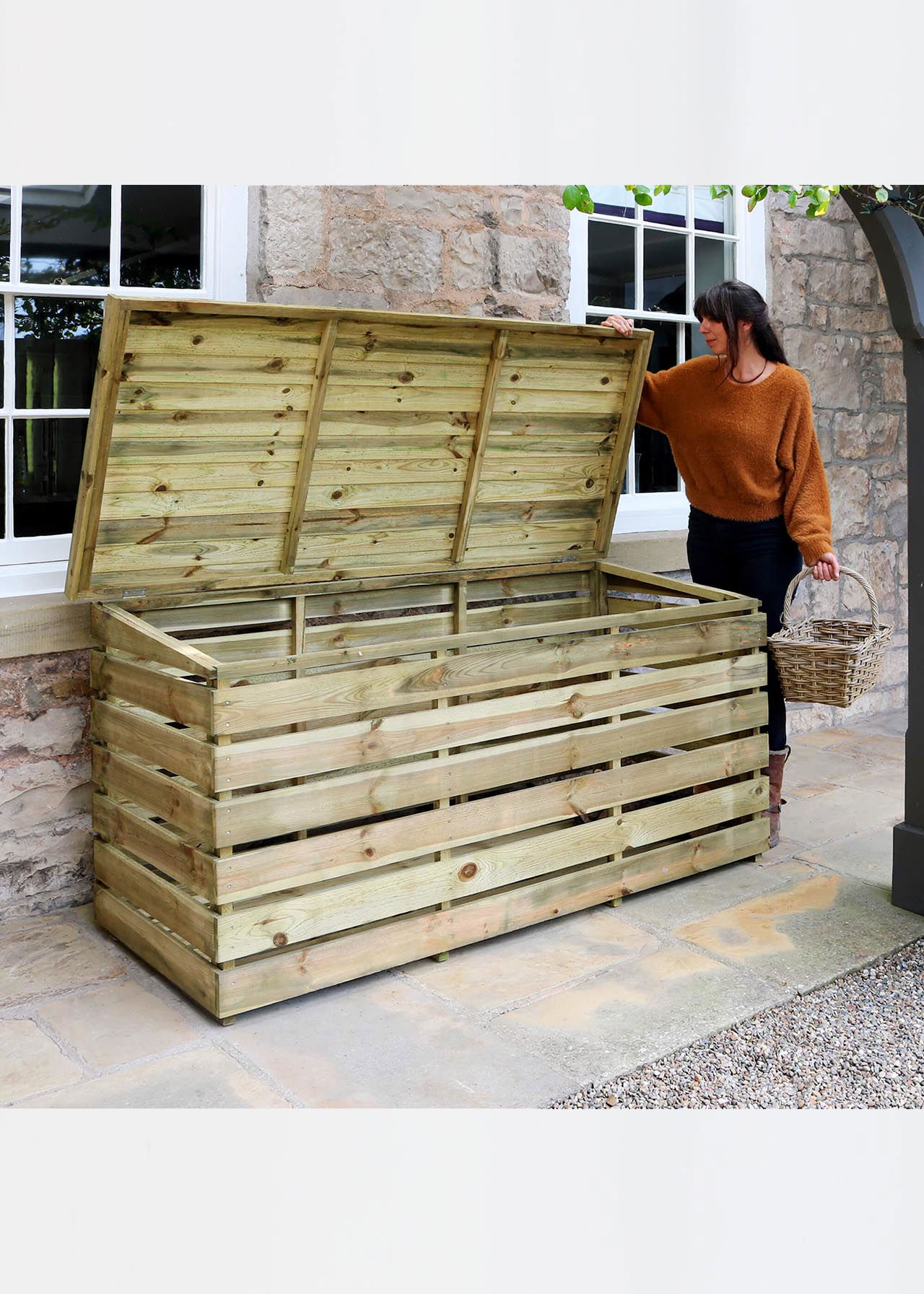
To maintain its low moisture content, your fuel must be kept bone-dry. A dedicated log store with a roof and slatted sides is ideal, as it protects the wood from rain while allowing air to circulate. If you store your logs in a garden shed, garage, or other outdoor storage container, try to keep them off the floor on a pallet to prevent them from drawing up dampness from the ground.