
Garden Ornaments
Our unique collection of garden ornaments will fill your outdoor space with charm and character while creating a playful atmosphere for everyone to enjoy.


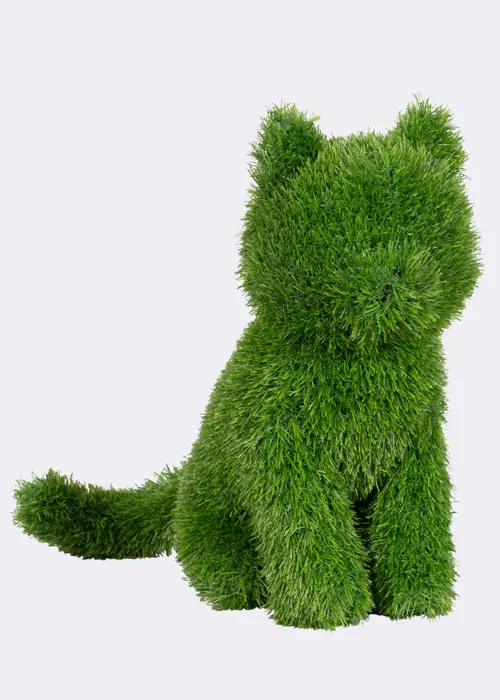

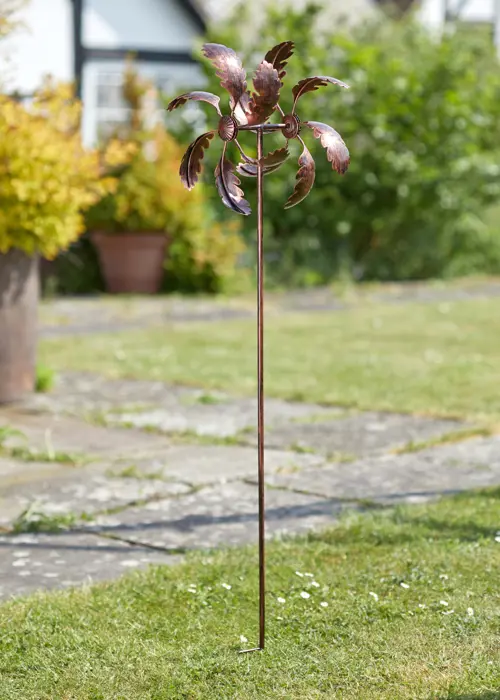




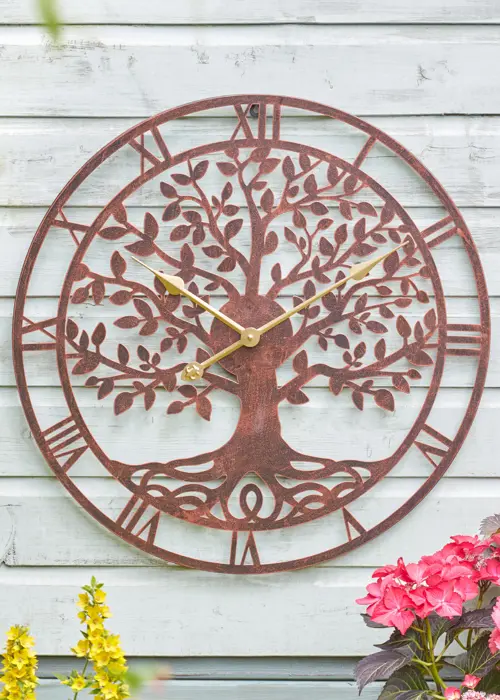


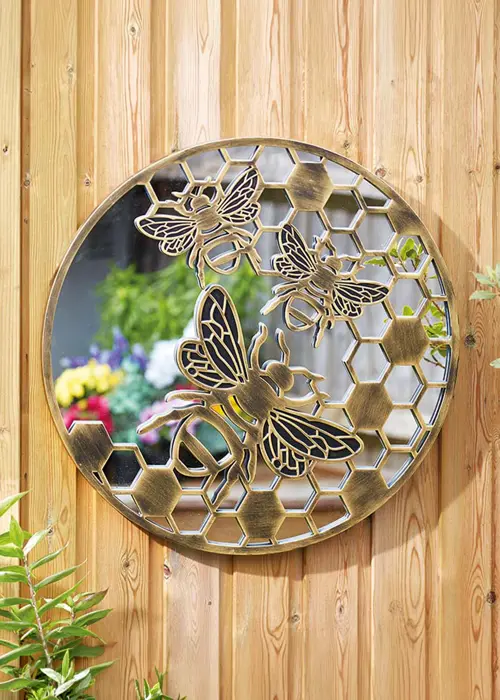
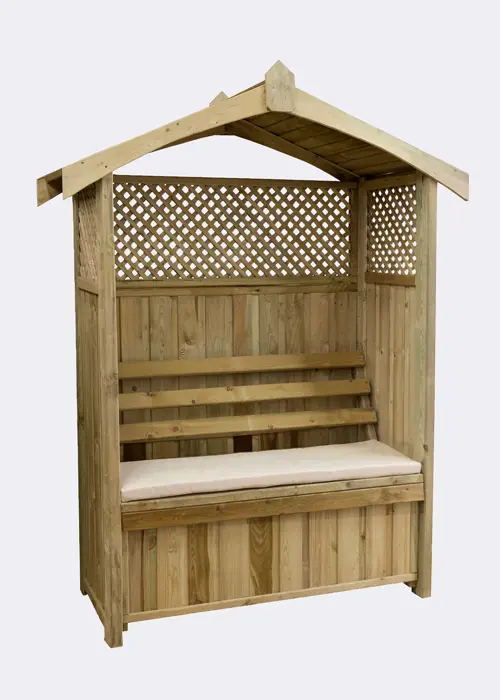
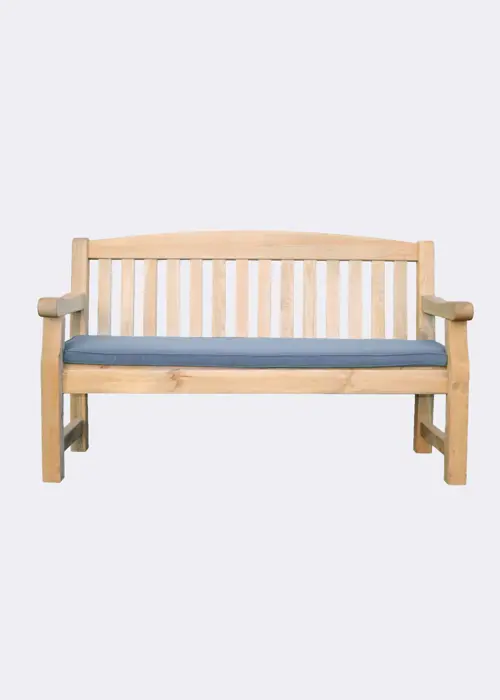
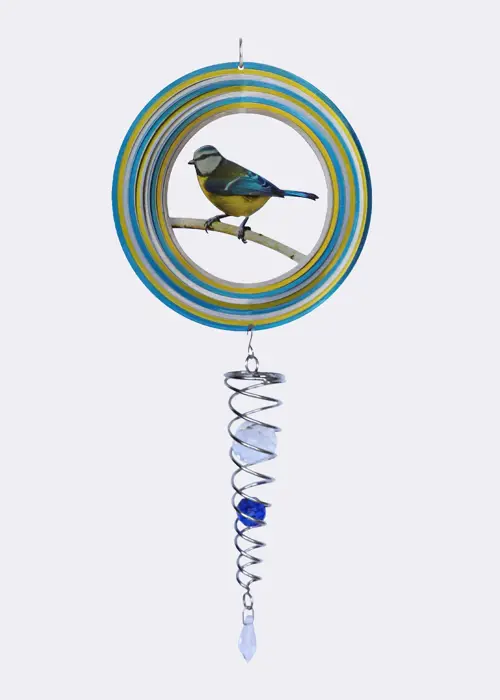




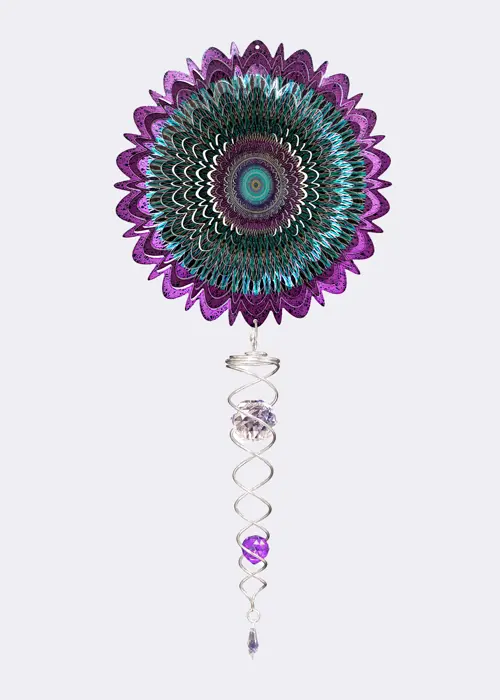
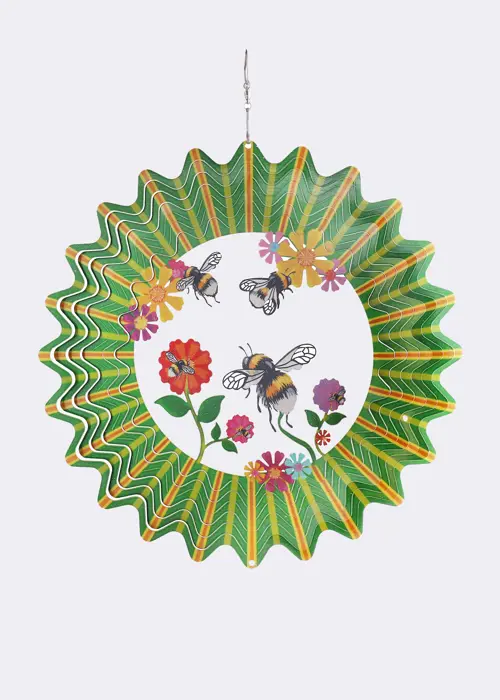

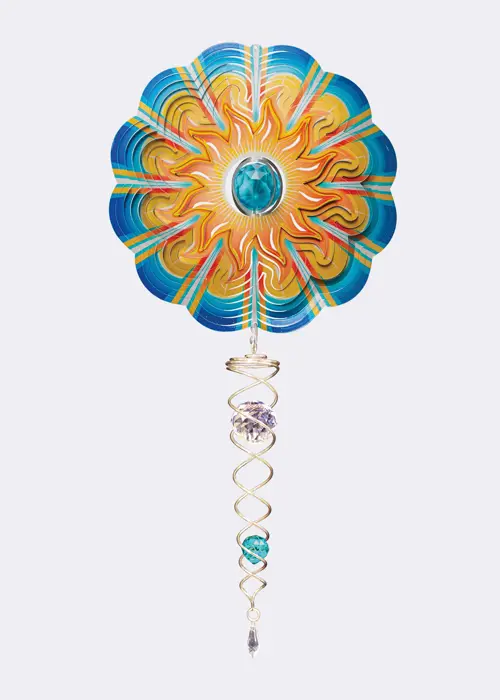
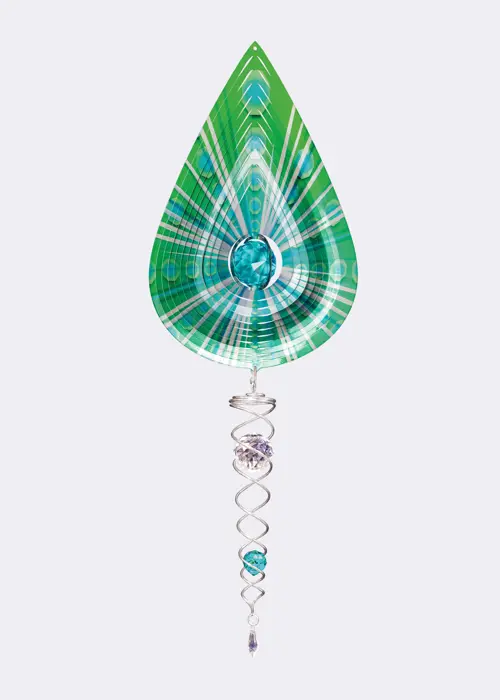
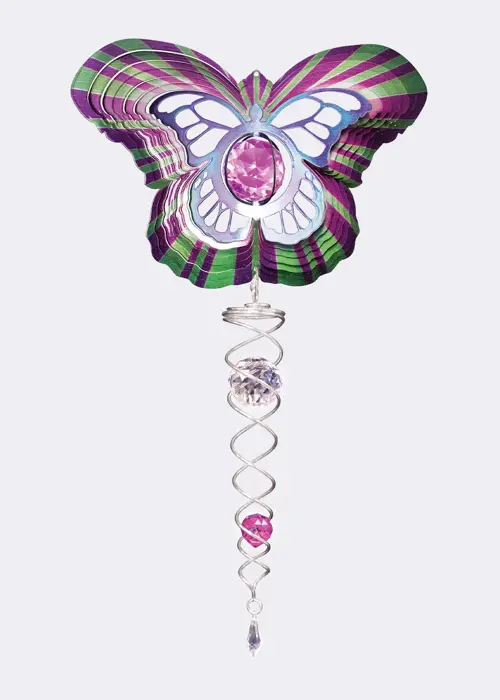
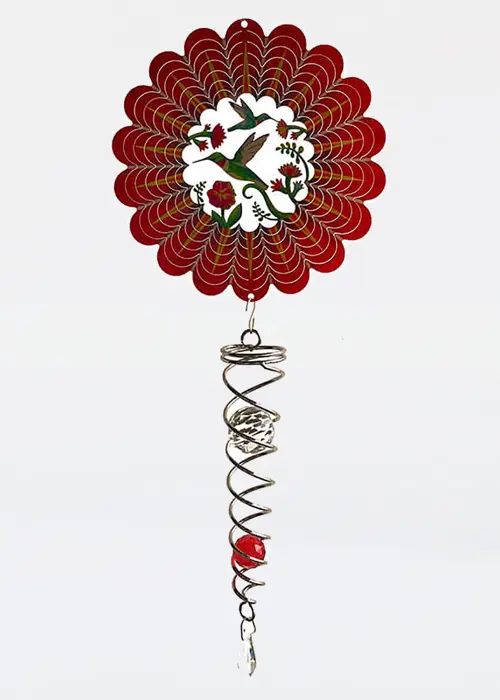
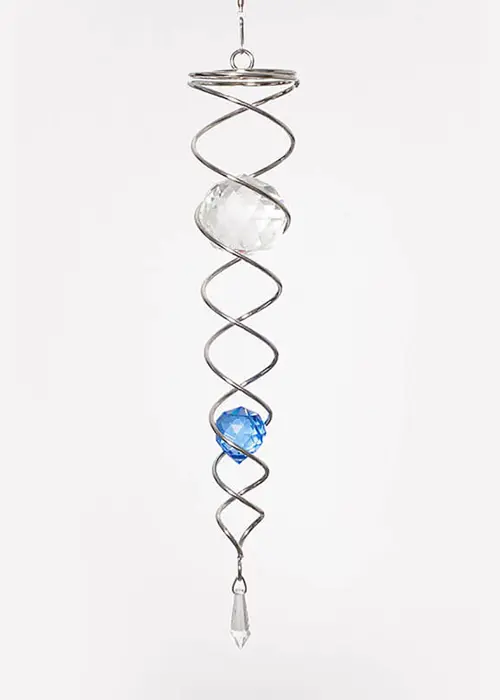
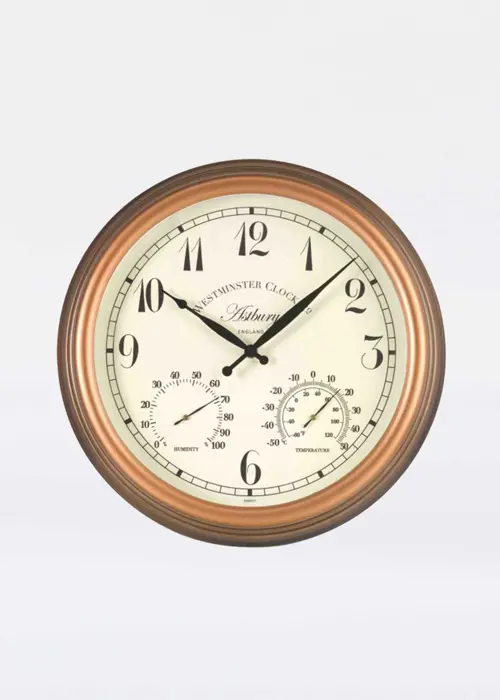
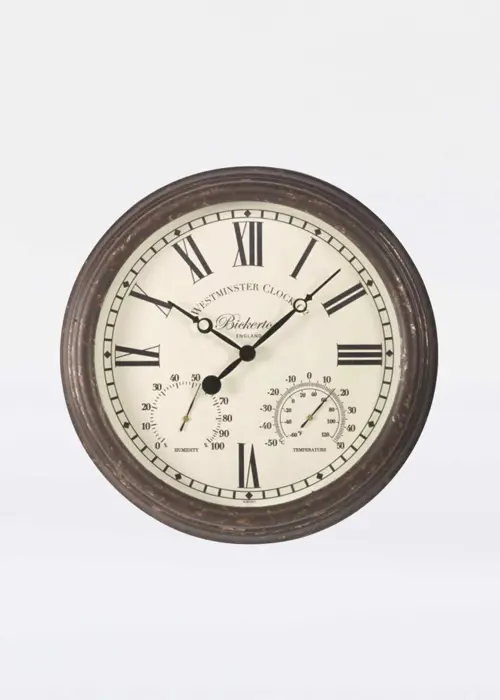
You've viewed 60 out of 224 results.
Our curated collection of garden ornaments offers the perfect way to express your personality and bring a unique finishing touch to your outdoor living sanctuary. Whether you’re looking to create a whimsical corner with classic garden gnomes, add a sense of movement with elegant wind spinners, or establish a sophisticated focal point with traditional stone-effect sculptures, our range has something for every style of garden. Crafted from durable materials like weather-resistant resin, sturdy cast iron, and ornate metal, these decorative pieces are designed to withstand the British elements while adding character and charm to your borders, patios, and lawns all year round.
The key is to consider the scale of your space. In a larger garden, small ornaments can easily get lost amongst the foliage, so bold sculptures or tall wind spinners work best as focal points. For smaller patios or balconies, delicate statues, decorative stepping stones, or wall-mounted plaques can add interest without overwhelming the area. Try placing ornaments in "natural" spots, such as tucked into a flowerbed or peeking out from under a shrub, to create a sense of discovery
For longevity in the British climate, resin is a fantastic choice as it is lightweight, frost-resistant, and can be moulded into incredibly intricate designs. Stone and concrete ornaments offer a timeless, heavy-duty option that stays put in high winds and develops a beautiful patina over time. Metal ornaments, particularly those made of powder-coated steel or cast iron, provide a classic look, though they may require an occasional clear lacquer spray to maintain their finish and prevent rust.
To keep lighter ornaments secure during stormy weather, you can use a small amount of outdoor-grade adhesive to fix them to a paving slab or a heavy stone base. For ornaments placed on lawns or in borders, choose designs with integrated ground stakes. If you have a hollow resin statue, you can often carefully fill it with dry sand or pea shingle through a hole in the base to add significant weight and stability.
Most of our ornaments are designed for year-round outdoor use. However, "frost-proof" and "frost-resistant" are different; porous materials like traditional terracotta or certain types of clay can crack if water gets inside and freezes. To ensure your ornaments last for years, we recommend moving delicate pieces into a garden shed, garage, or outdoor storage box during the harshest winter months, or placing them in a sheltered spot close to the house where they are protected from the worst of the frost.
A simple wash with warm soapy water and a soft brush is usually enough to remove algae, bird lime, and garden grime. Avoid using pressure washers or harsh chemicals, as these can strip away the painted finish or damage the surface of the material. For stone-effect ornaments, many gardeners prefer to let moss grow naturally for an aged look, but if you prefer them clean, a gentle scrub once a year in the spring will keep them looking fresh.
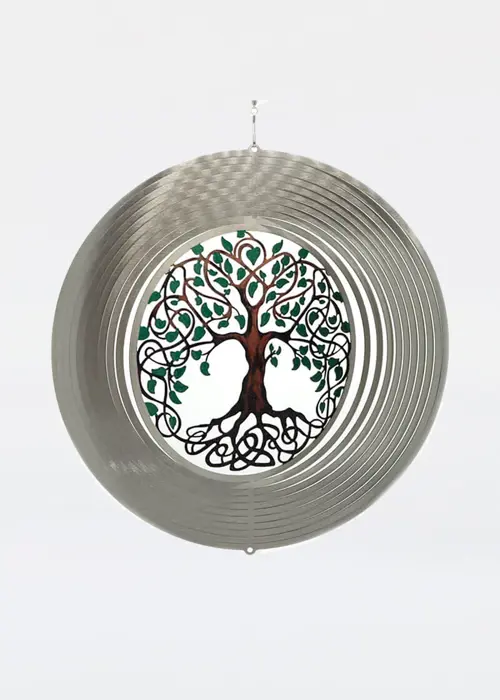
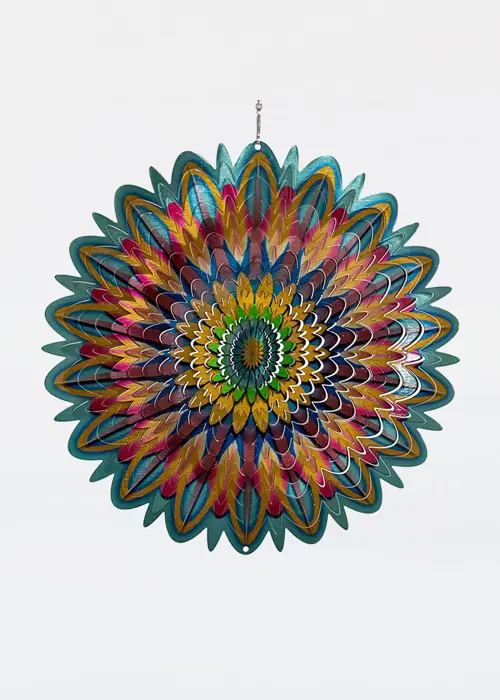
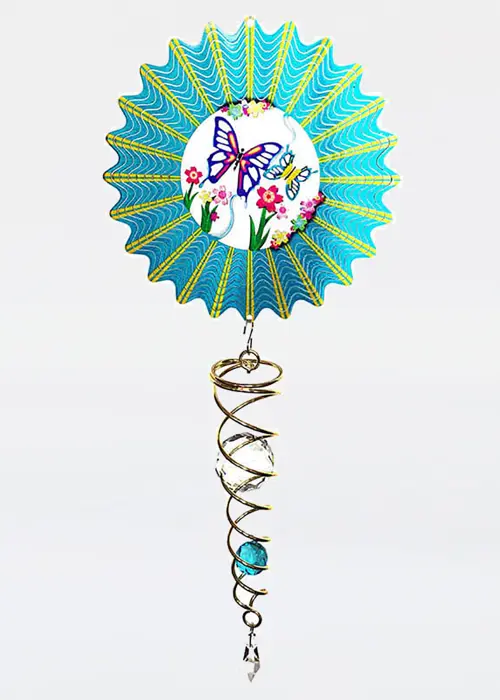
To get the best movement, position your wind spinner in an open area of the garden that isn't completely shielded by fences or walls. Elevated spots or the centre of a lawn are often the best "wind traps." Ensure the ground is firm enough to hold the stake securely, and check that there is enough clearance for the blades to spin freely without hitting nearby branches or tall plants.