

Garden water features
Our garden water features and fountains have been carefully designed to withstand the weather while creating a moving, eye-catching focal point in your outdoor space.


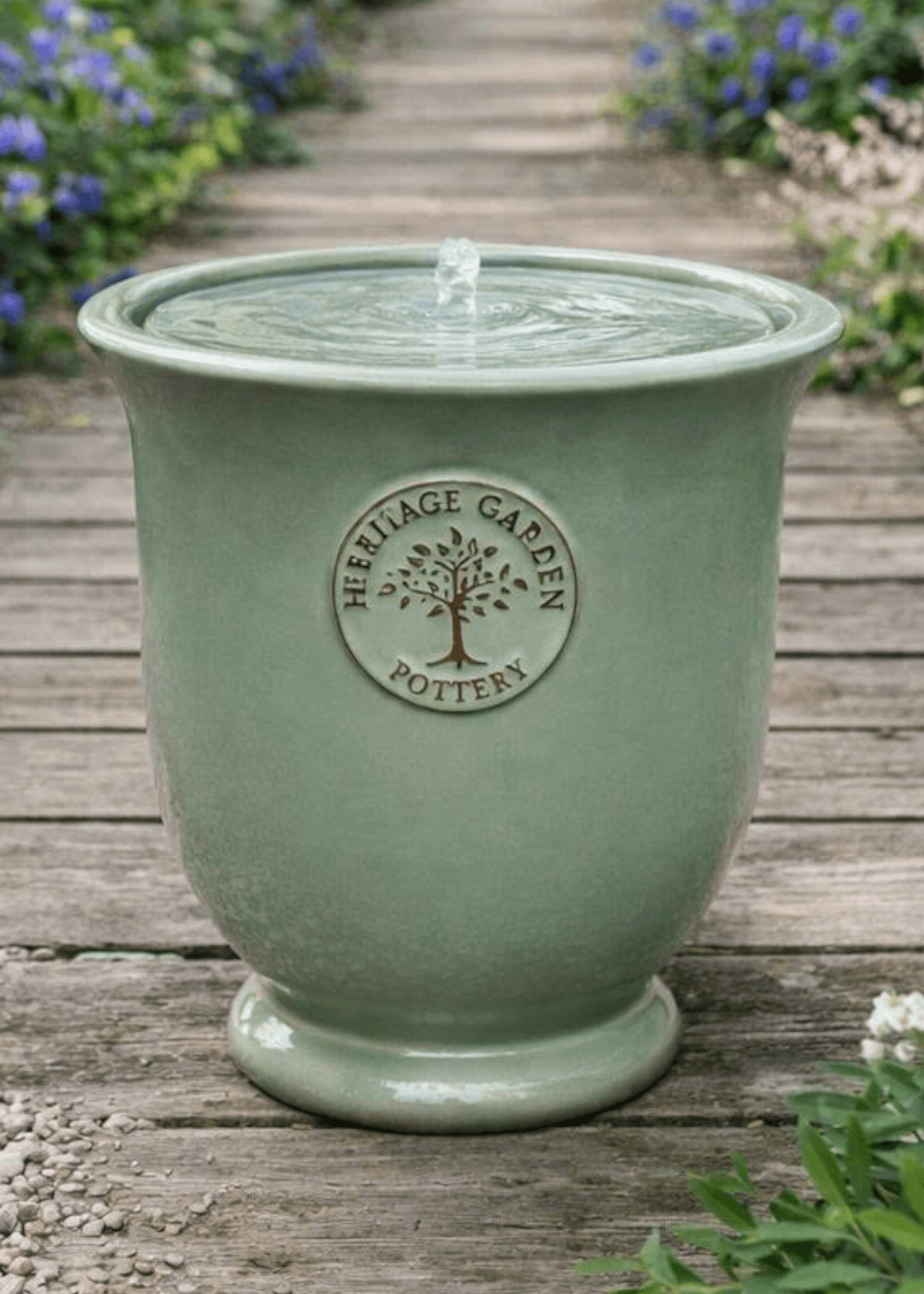
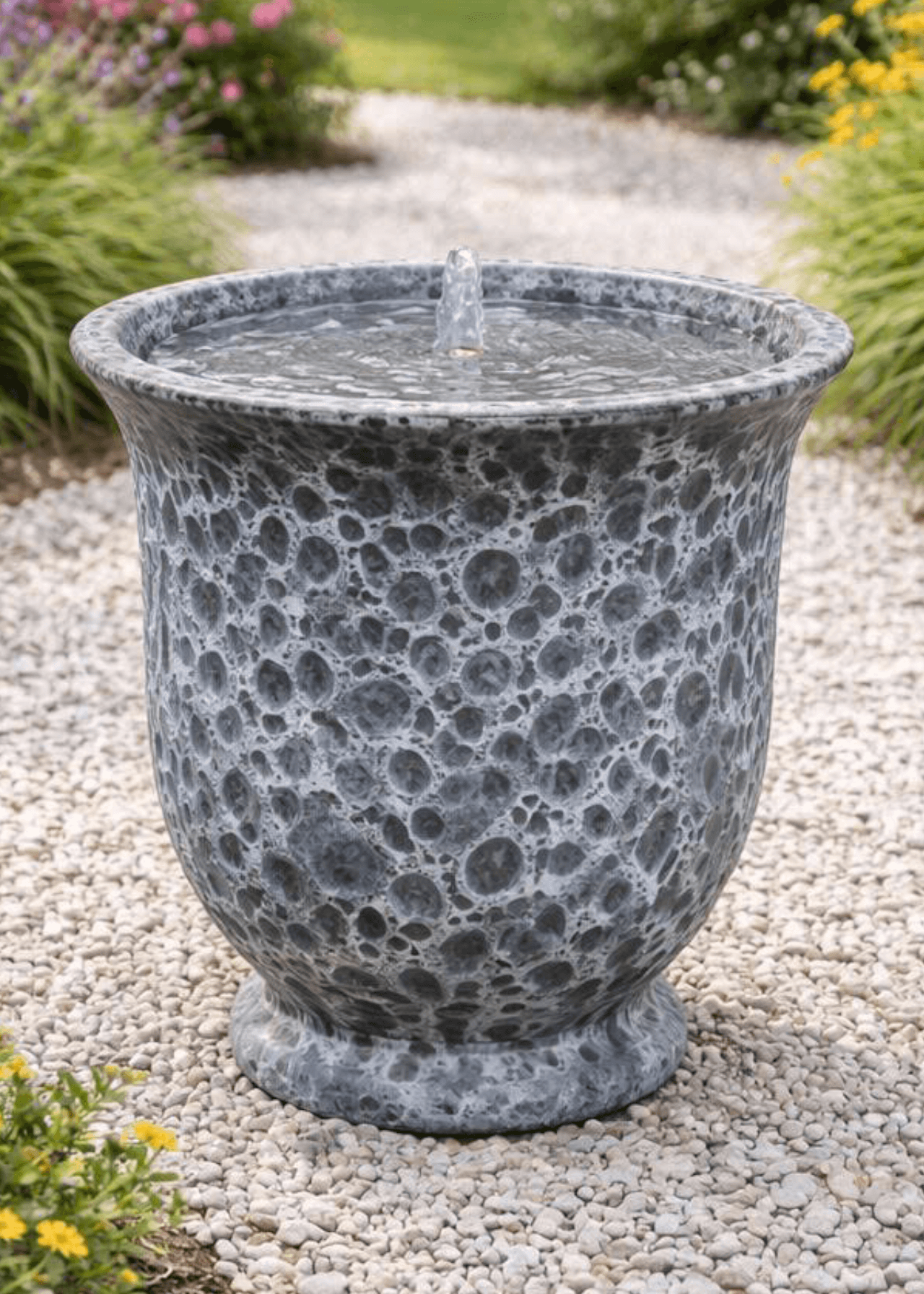
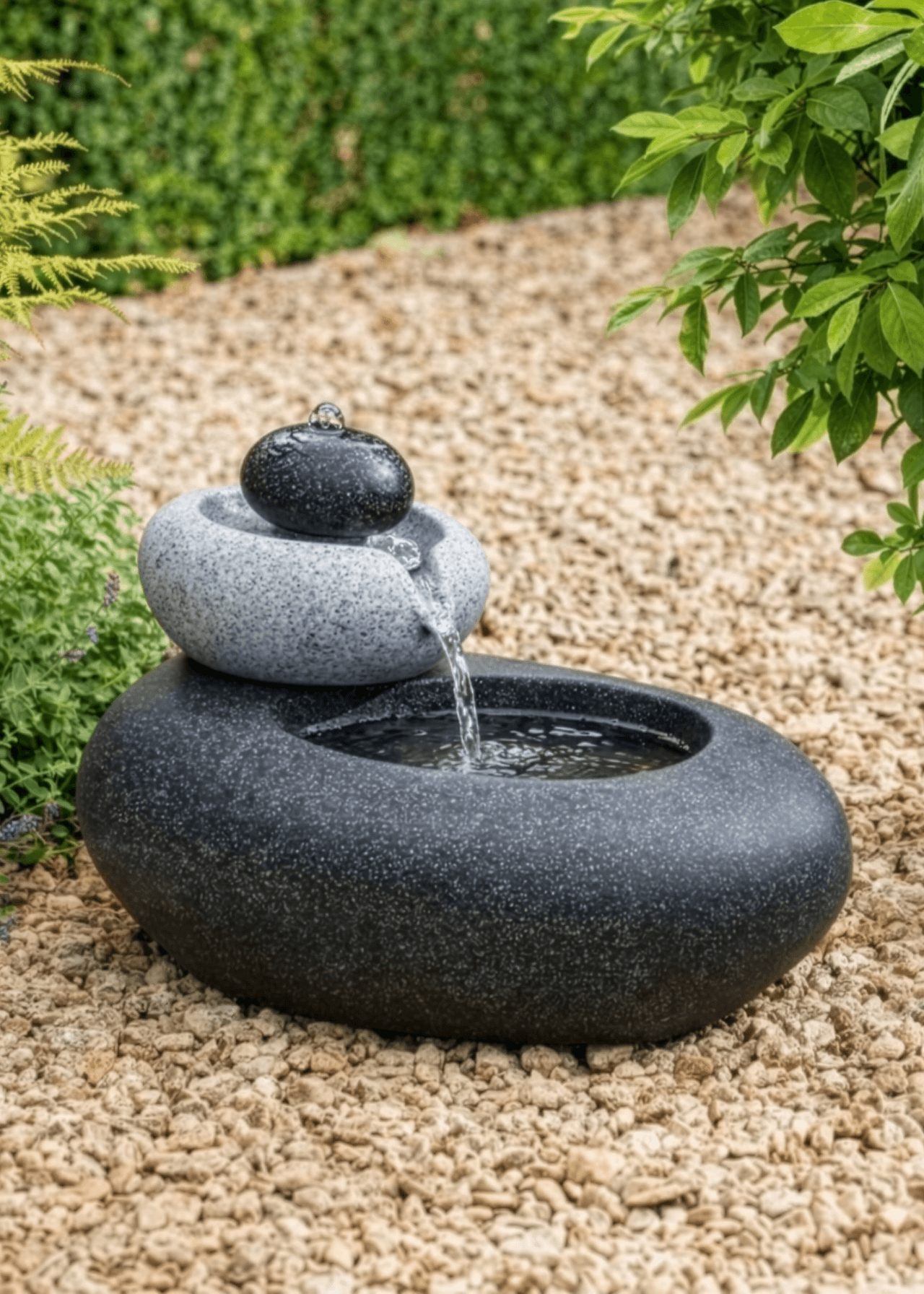
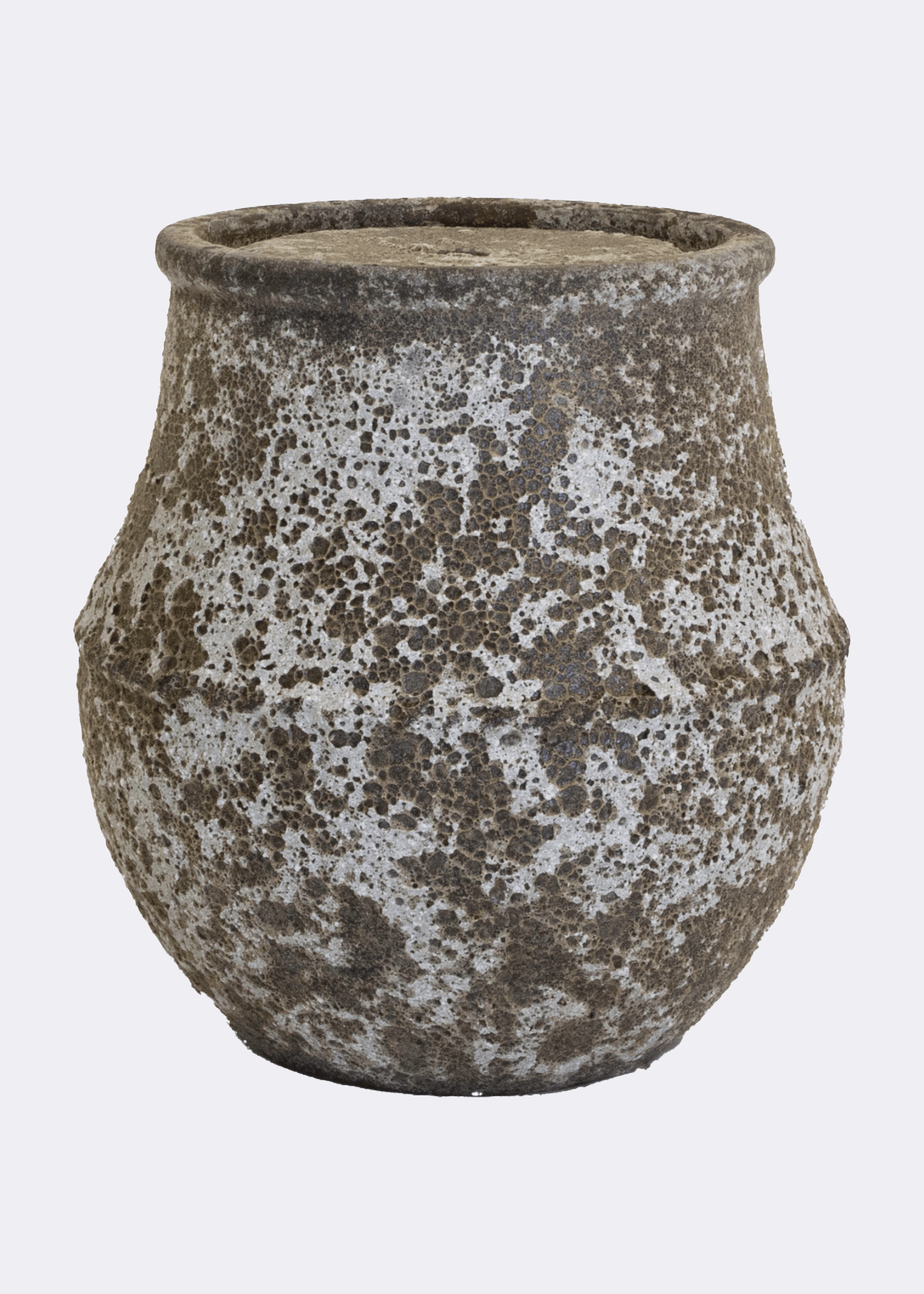
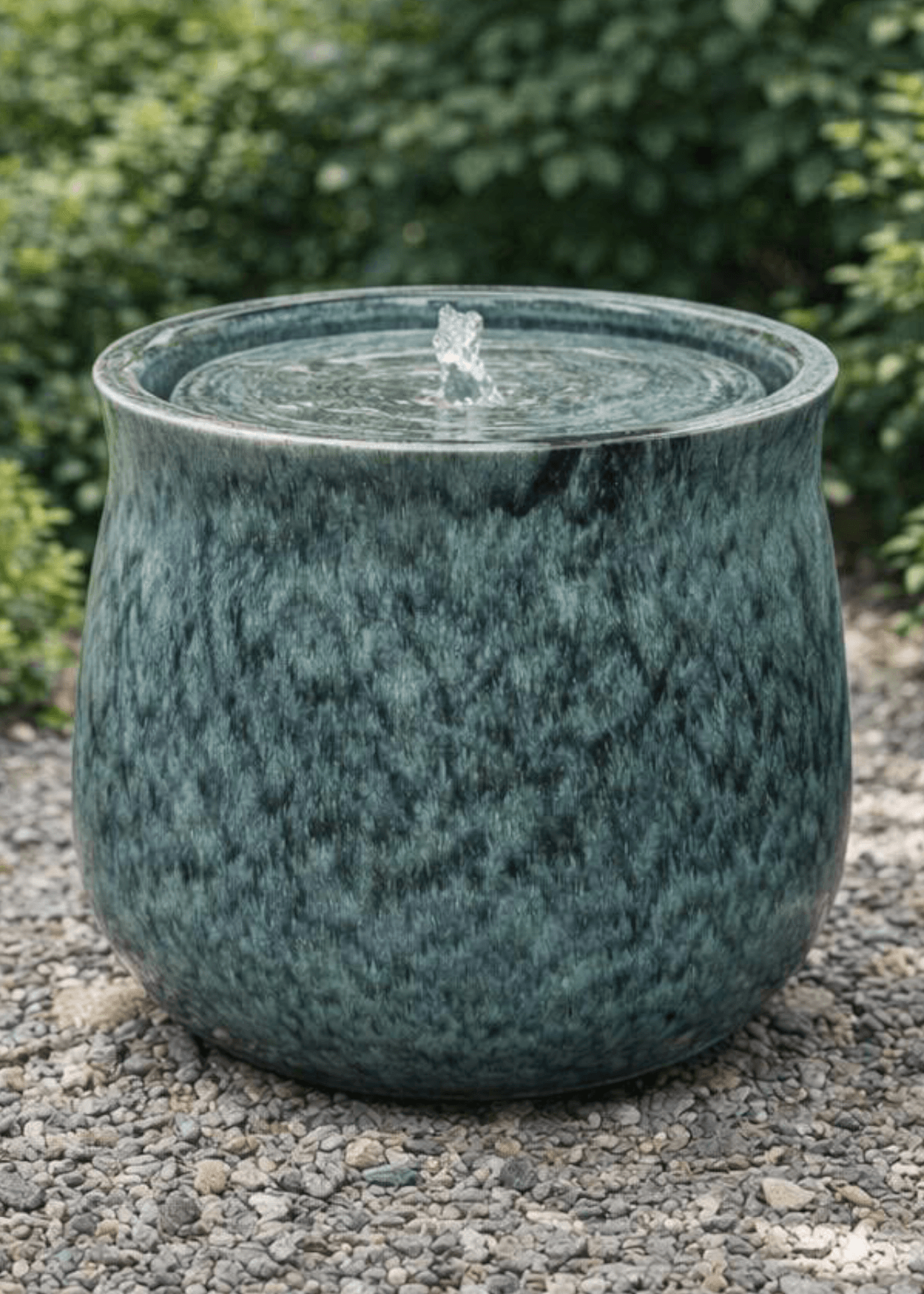

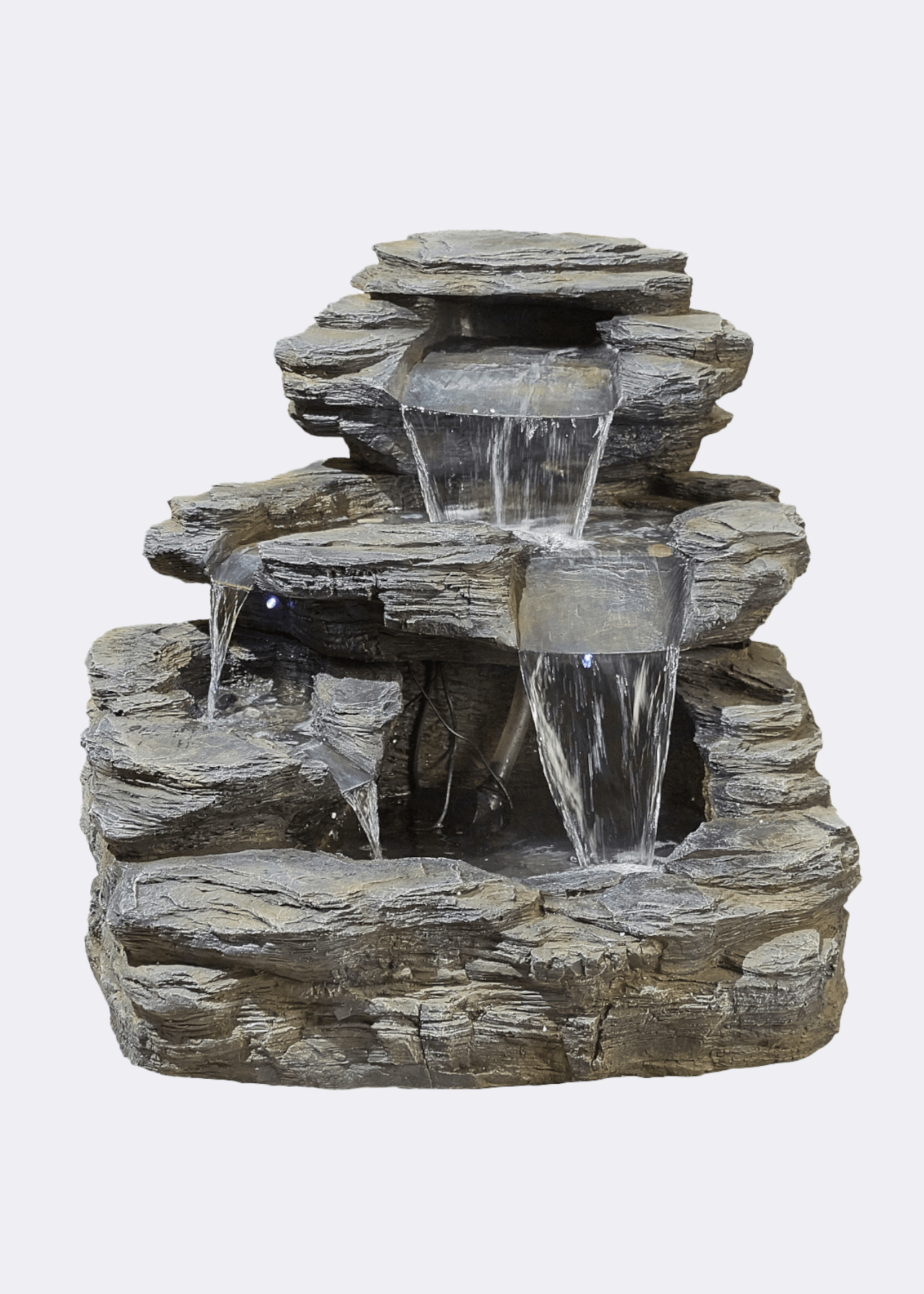
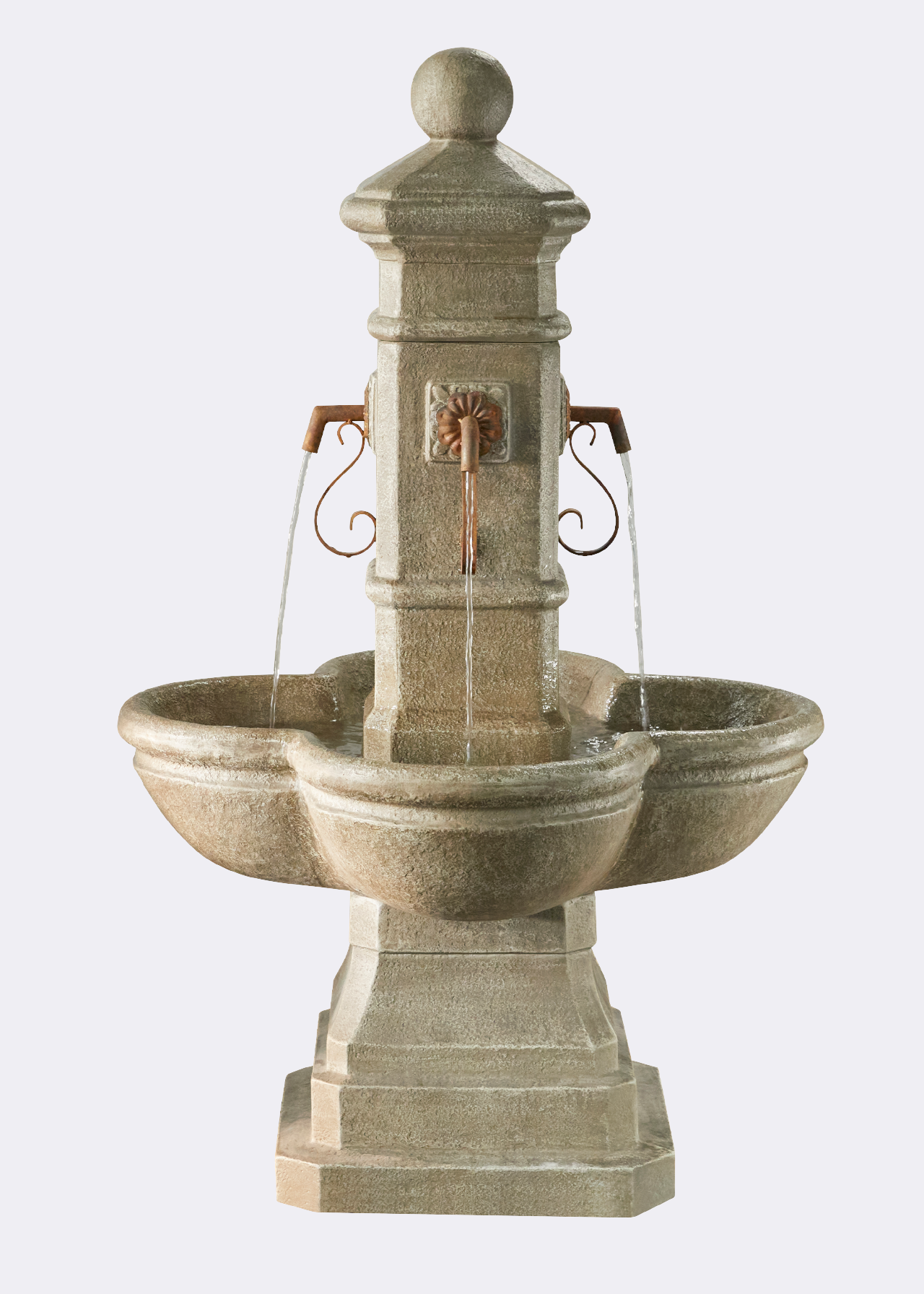
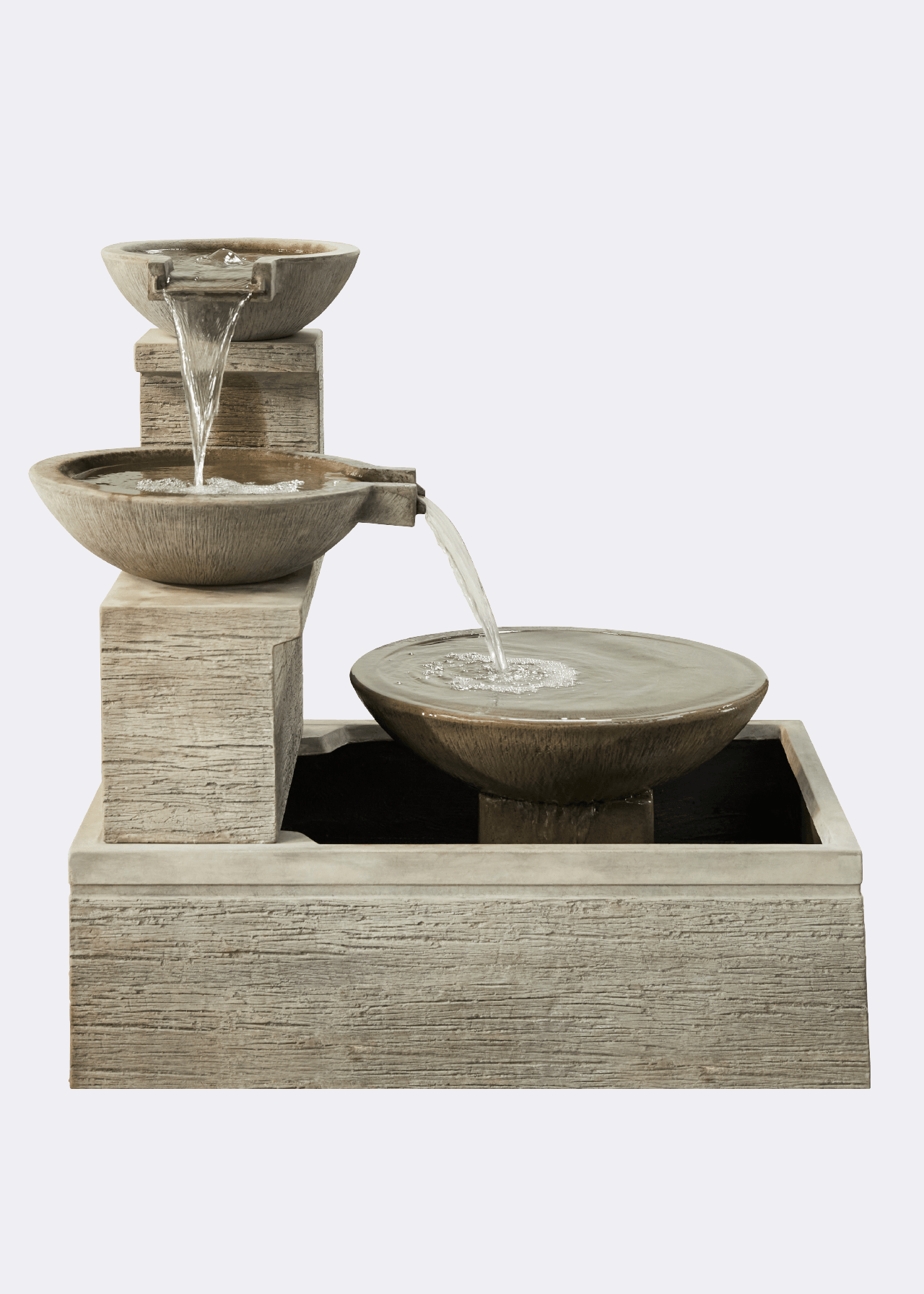



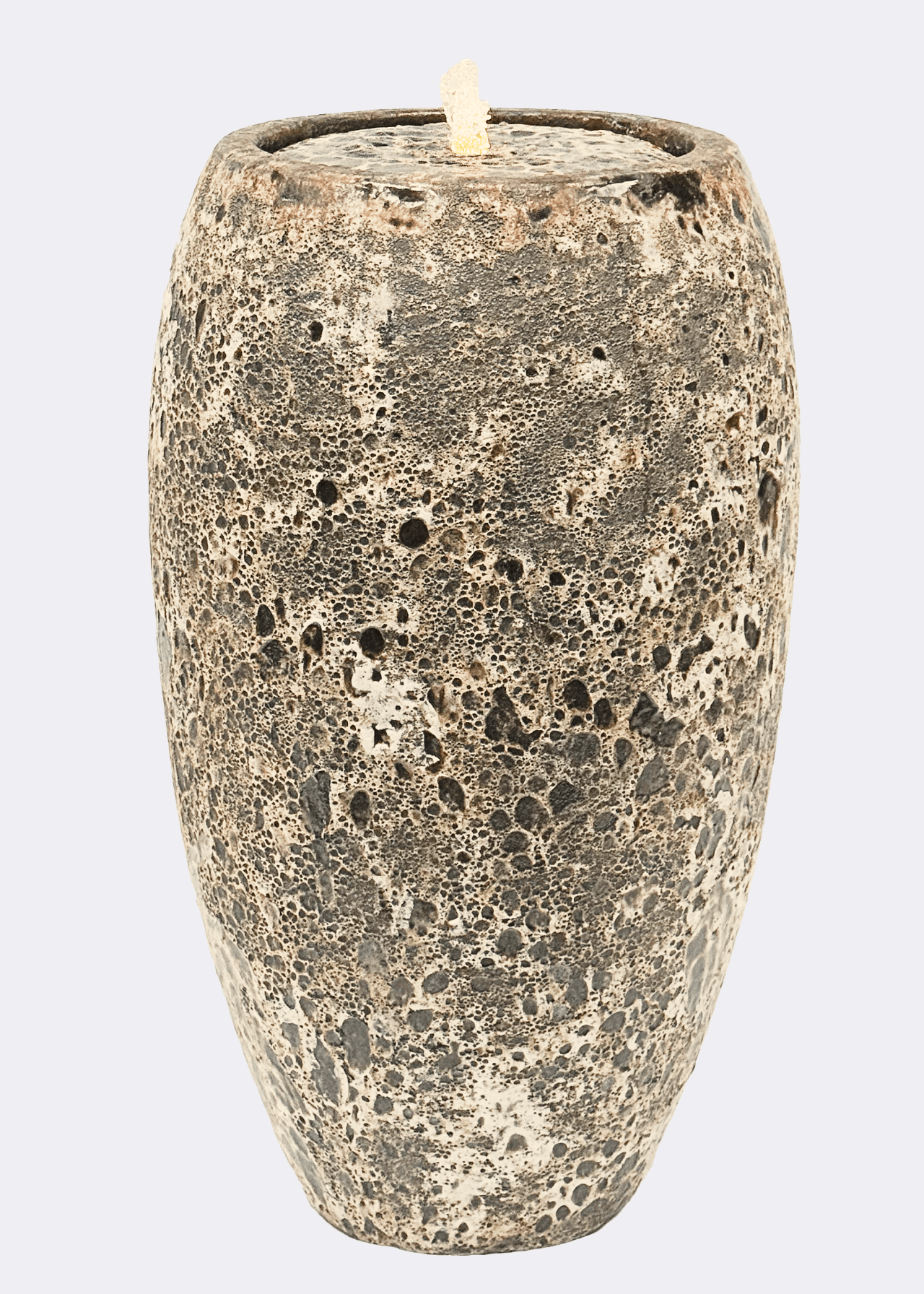
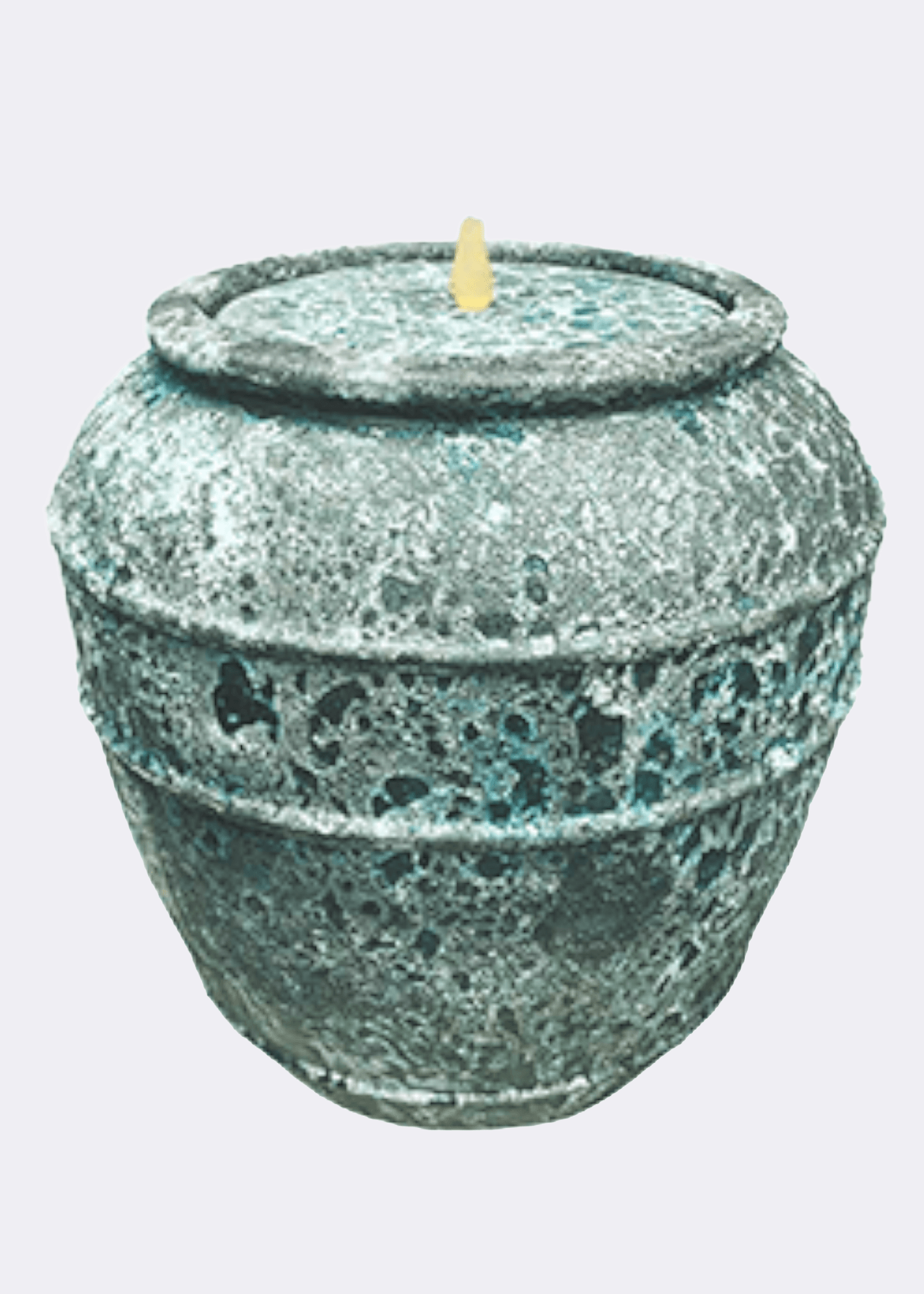
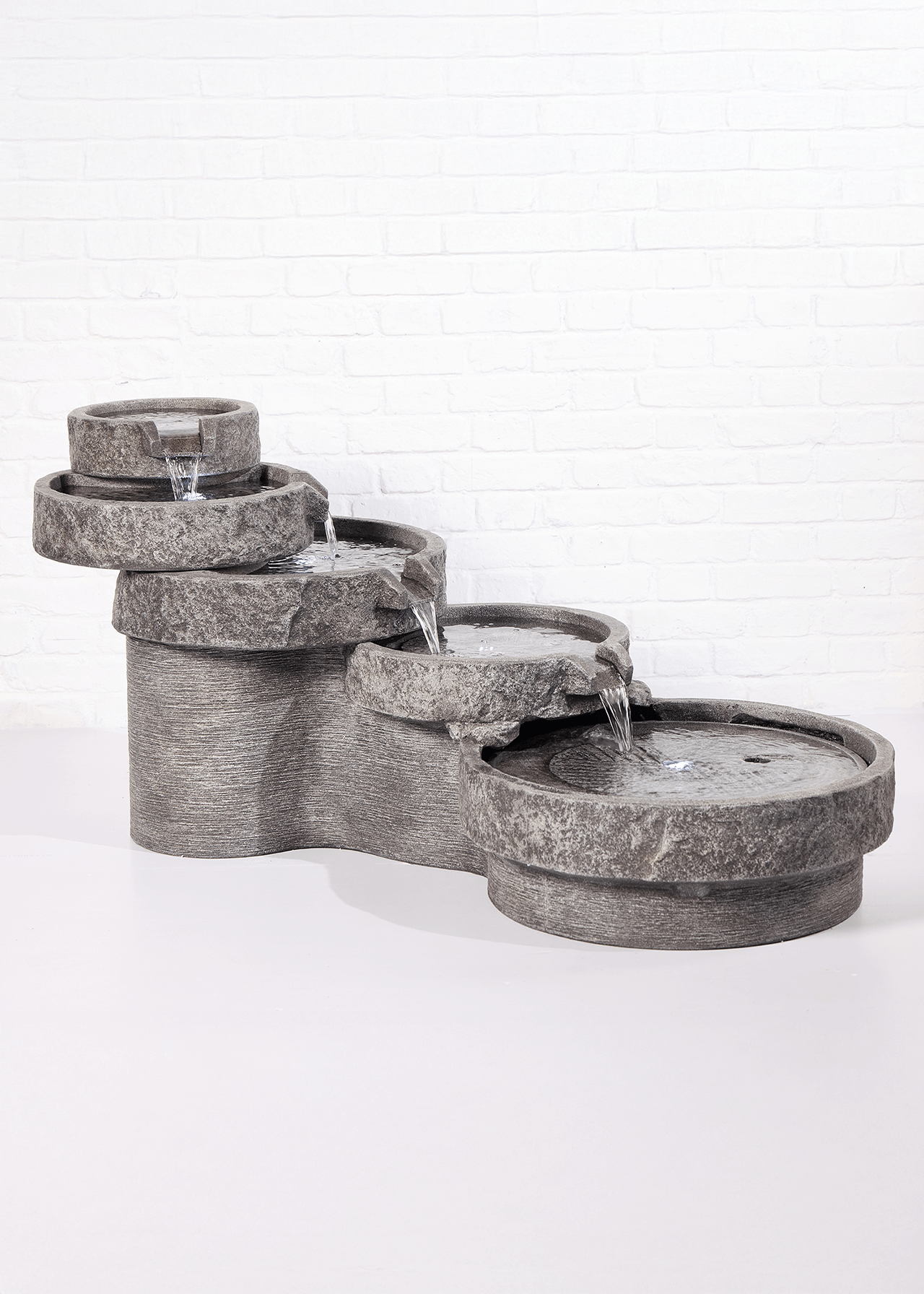
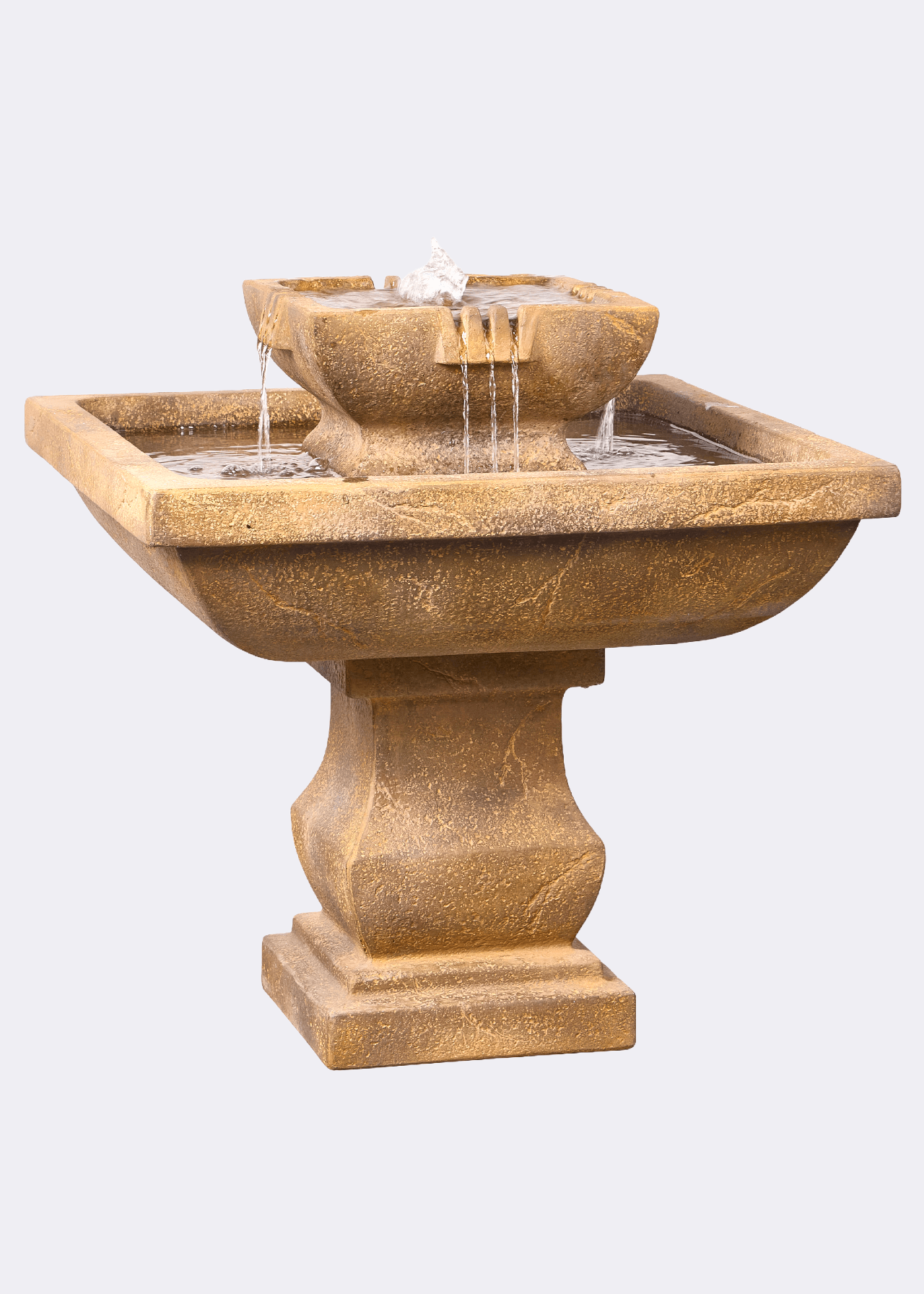
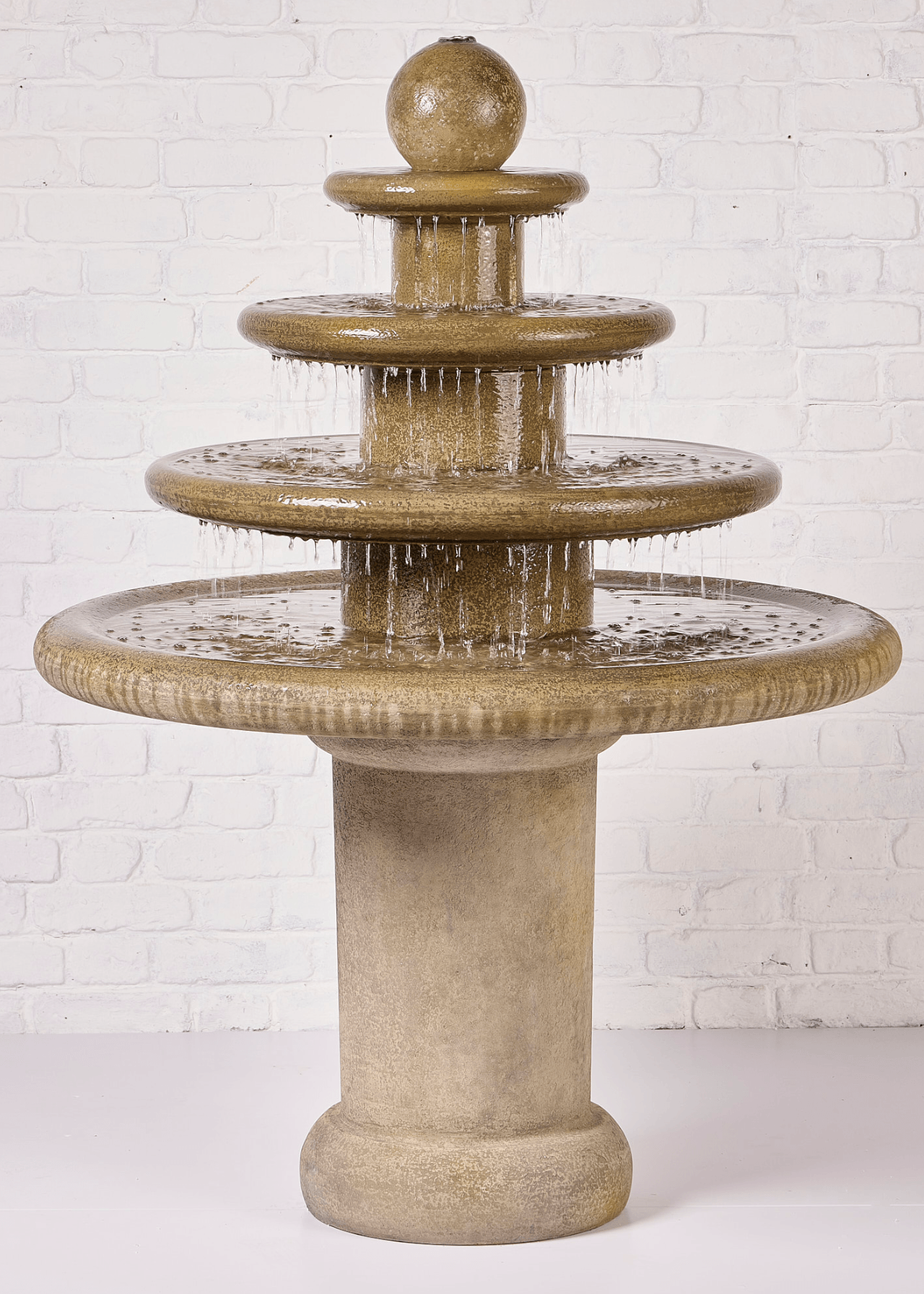
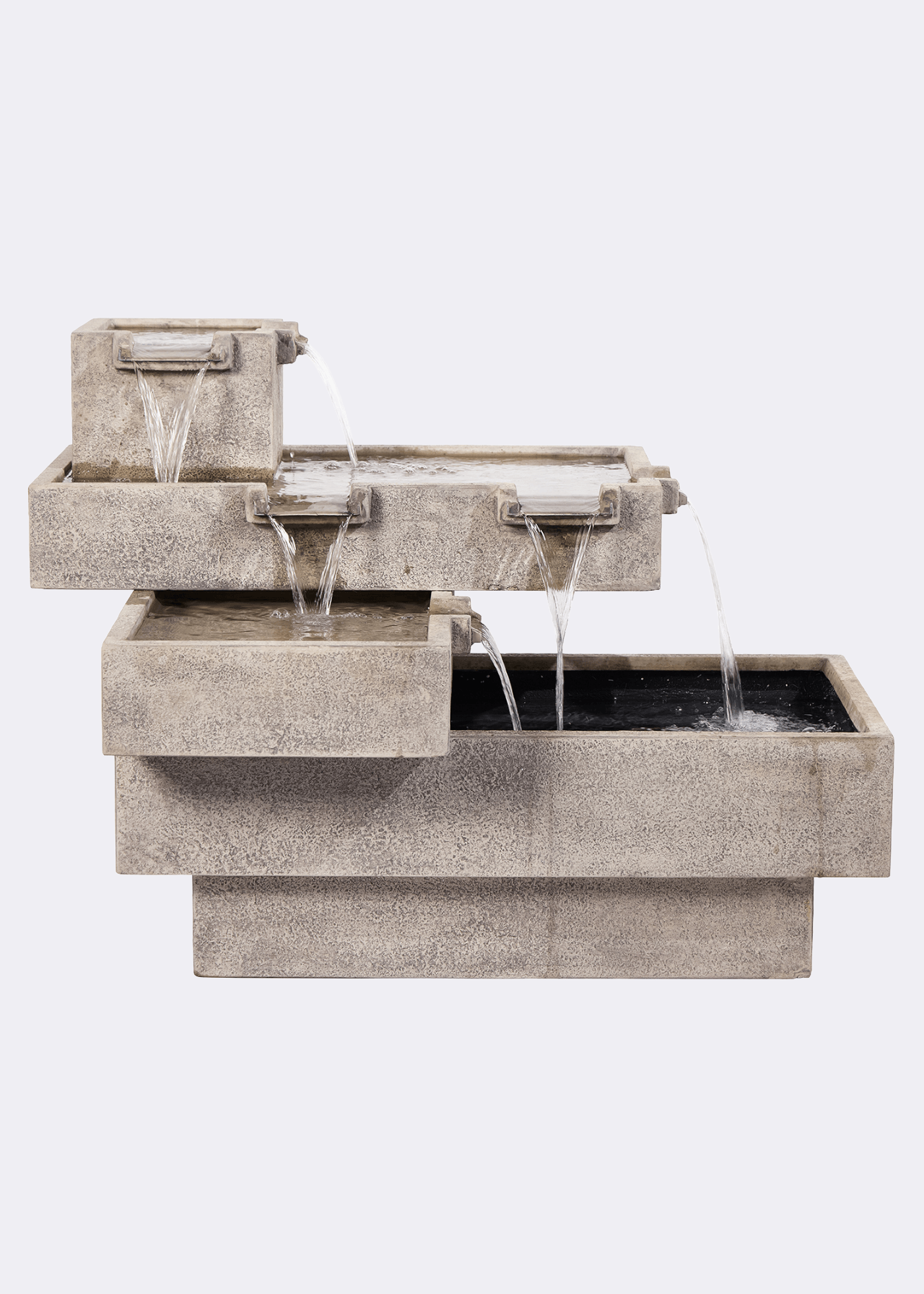
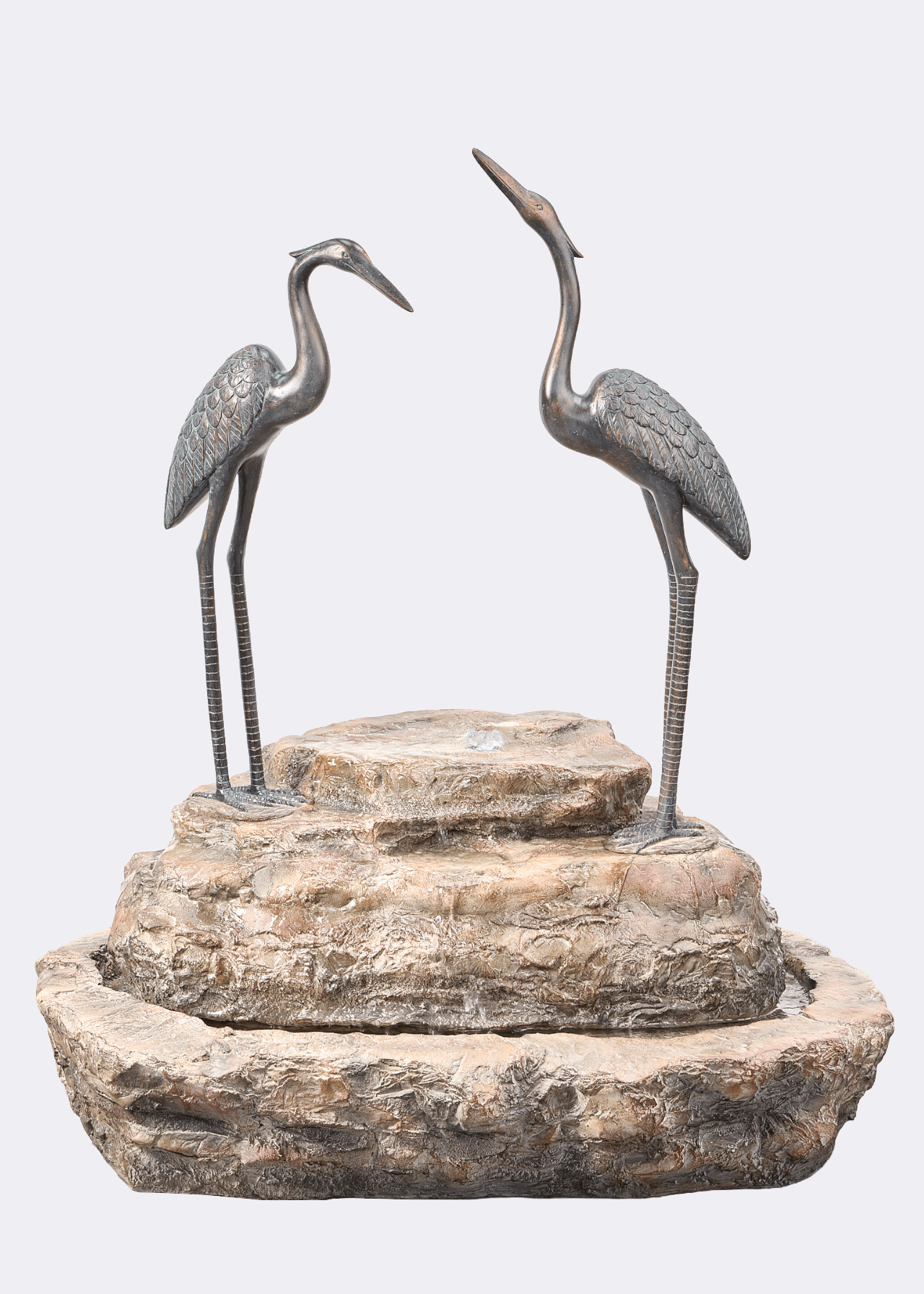
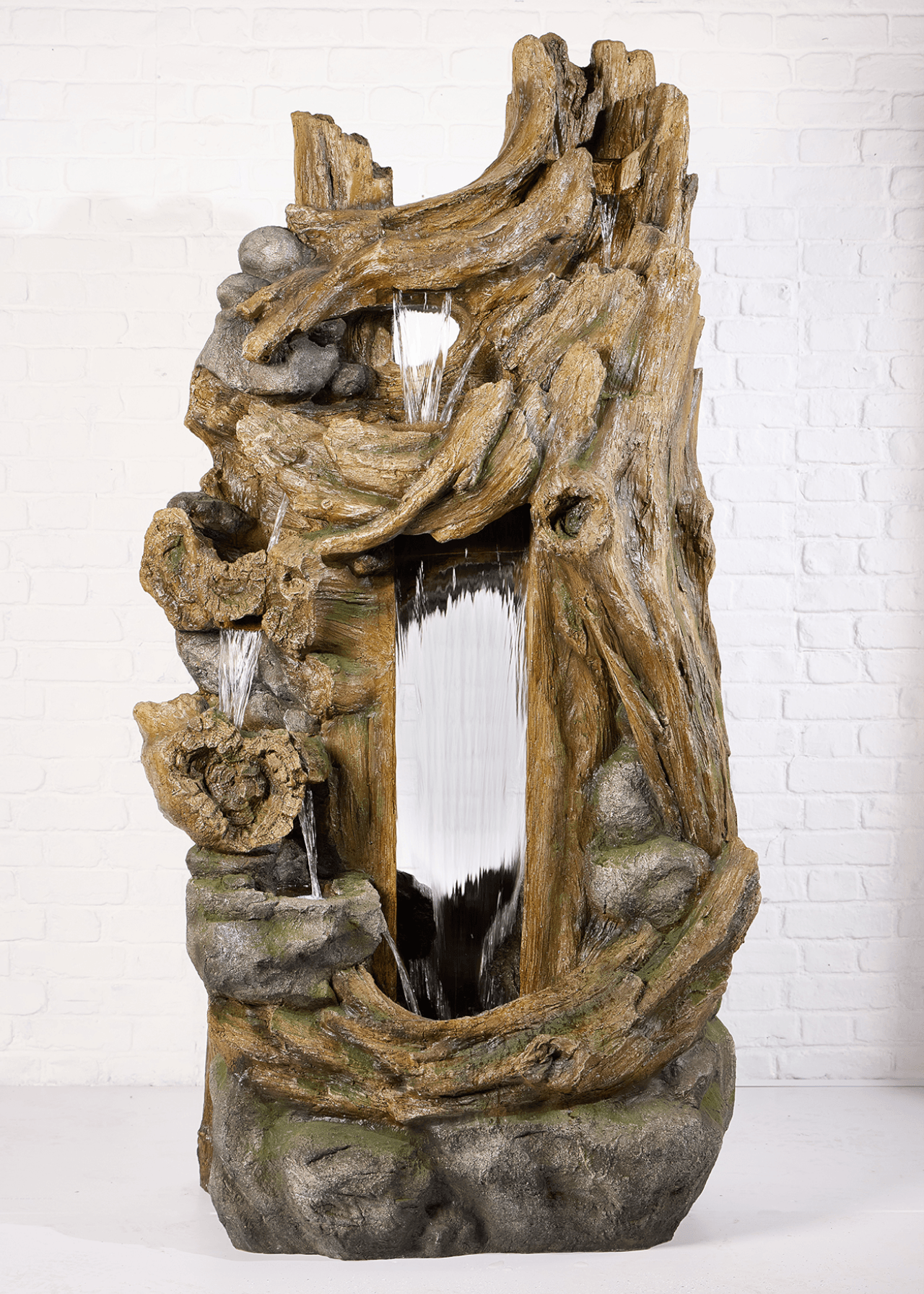
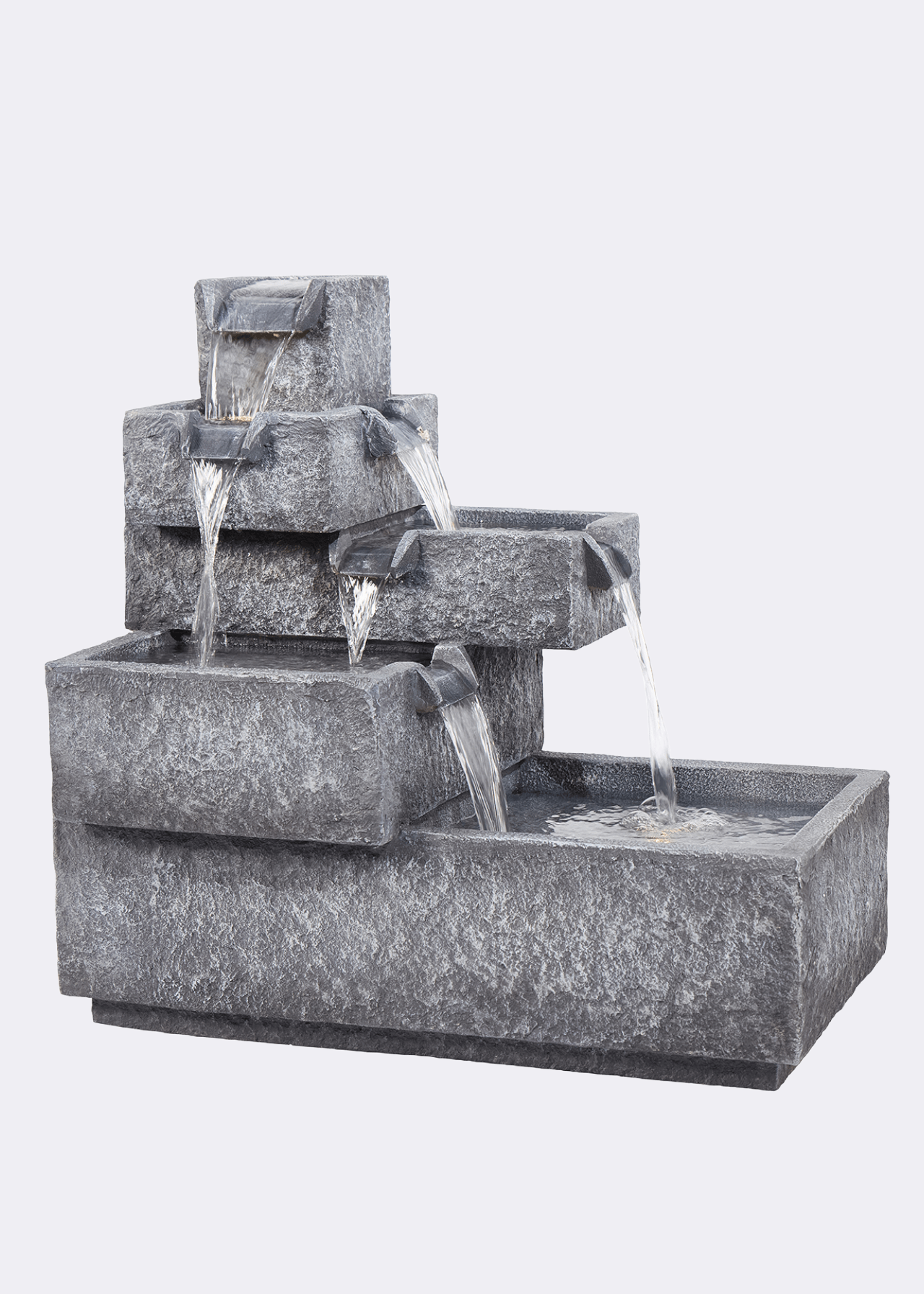
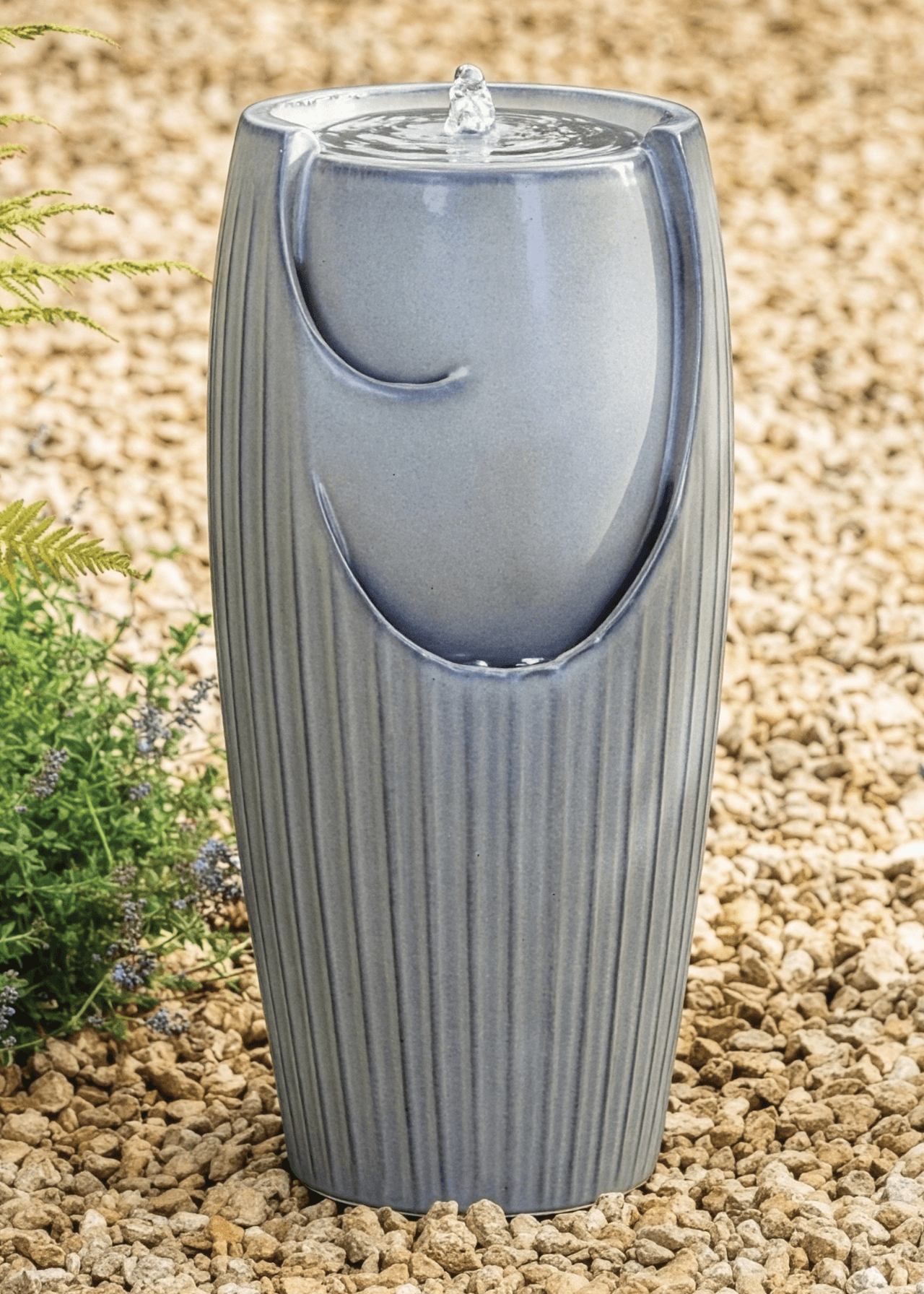

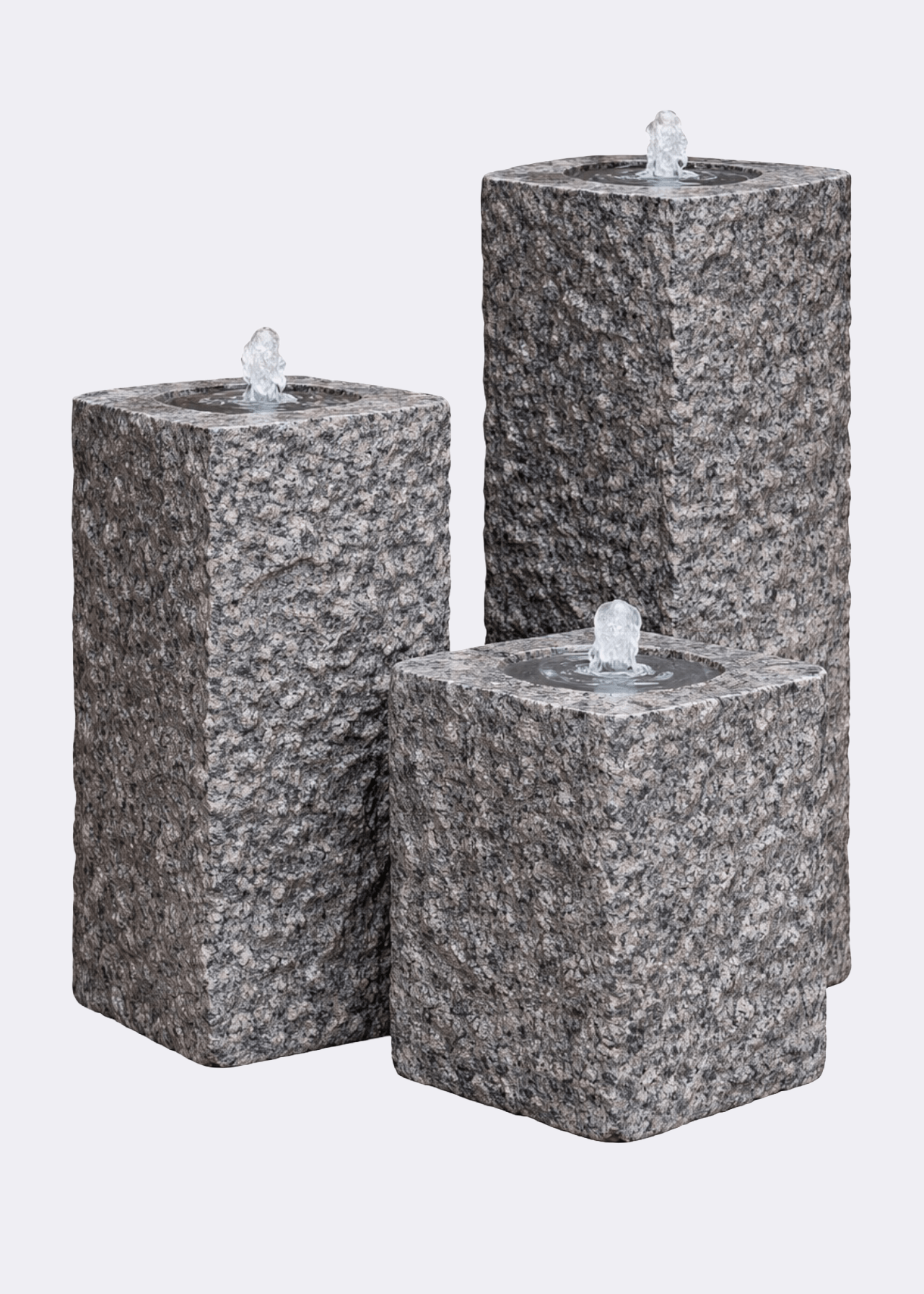

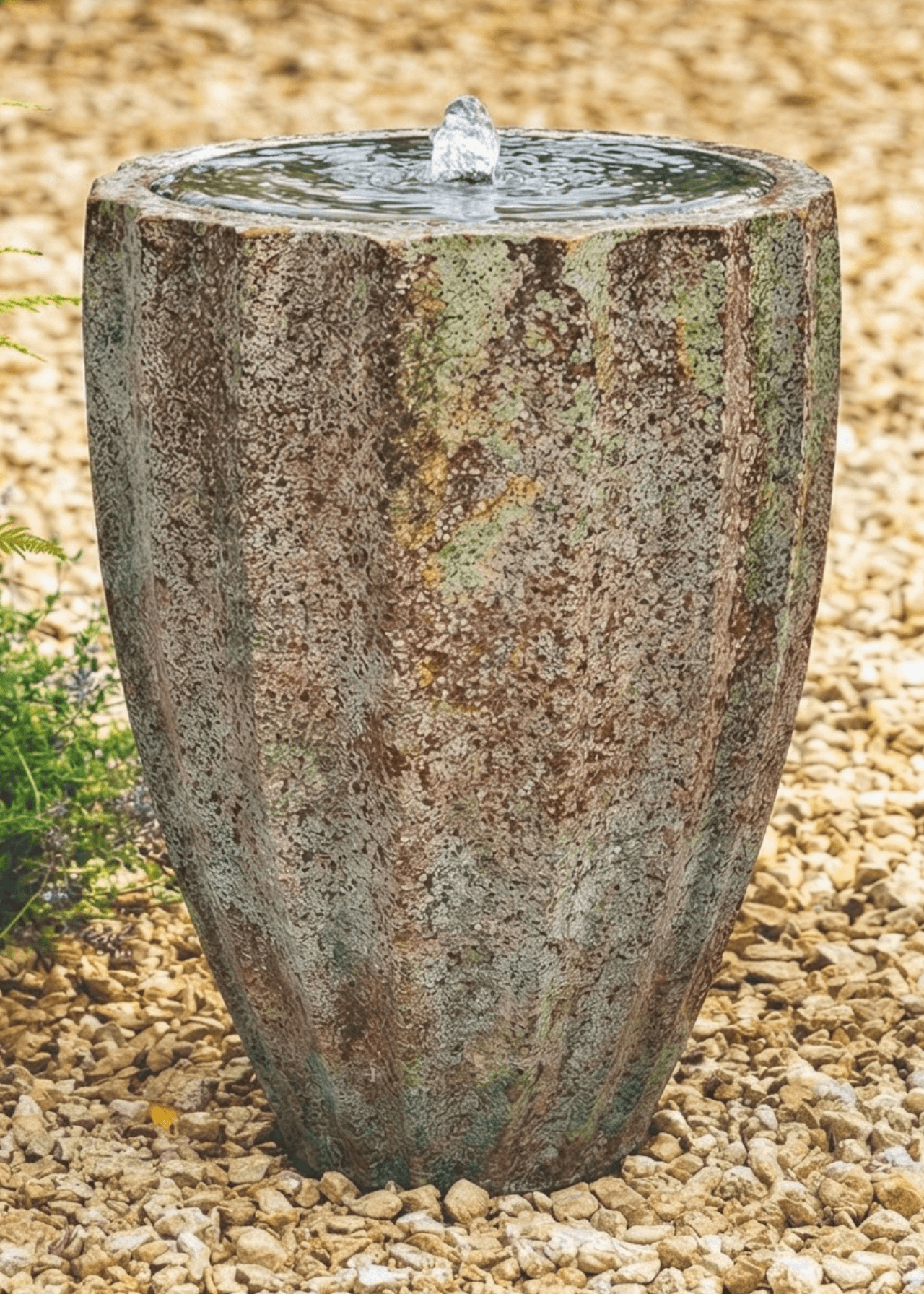
Most of our garden water features are "self-contained," meaning they don't require a permanent connection to your home’s plumbing. They work by recirculating the same water using an internal pump hidden in a reservoir. You will simply need to top up the water level occasionally with a watering can or garden hose to account for natural evaporation, especially during the warmer summer months.
Solar water features use an integrated or remote solar panel to capture energy from the sun, which powers the internal pump. Many of our models also include a back-up battery, which stores excess energy during the day so the water can continue to flow even when it's cloudy or after the sun goes down. They are a fantastic, eco-friendly option that can be placed anywhere in the garden without the need for outdoor electrical sockets.
To prevent algae buildup and keep the water smelling fresh, we recommend using a specialised, wildlife-safe water feature cleaner once a month. It’s also important to regularly clear away any fallen leaves or garden debris that could clog the pump. If the water becomes particularly murky, simply drain the feature, wipe down the surfaces with a soft cloth and warm soapy water, and refill with fresh, clean water.
In the UK, freezing temperatures can cause water to expand and potentially crack the body of your water feature or damage the pump. We recommend draining your feature completely before the first hard frost. If possible, store the pump in a bucket of water in a frost-free shed or garage to keep the seals moist, and use a fitted, waterproof cover to protect the main structure of the feature from the elements.
Safety is a priority, and many of our designs are "pondless" or feature hidden reservoirs, meaning there is no deep, standing water - making them a safer choice for families. However, always ensure that electrical cables for mains-powered models are properly buried or housed in protective conduit. If you choose a feature with an open basin, we recommend supervising young children and pets at all times when they are near the water.
If your water feature stops flowing, the pump may be blocked by debris or limescale. First, disconnect the power and remove the pump from the reservoir. Most pumps have a removable cover or filter that can be rinsed under a tap to clear out grit and slime. For stubborn limescale buildup, soaking the pump in a solution of white vinegar and water for an hour before rinsing can help restore it to full working order.