
Garden & Outdoor Lighting
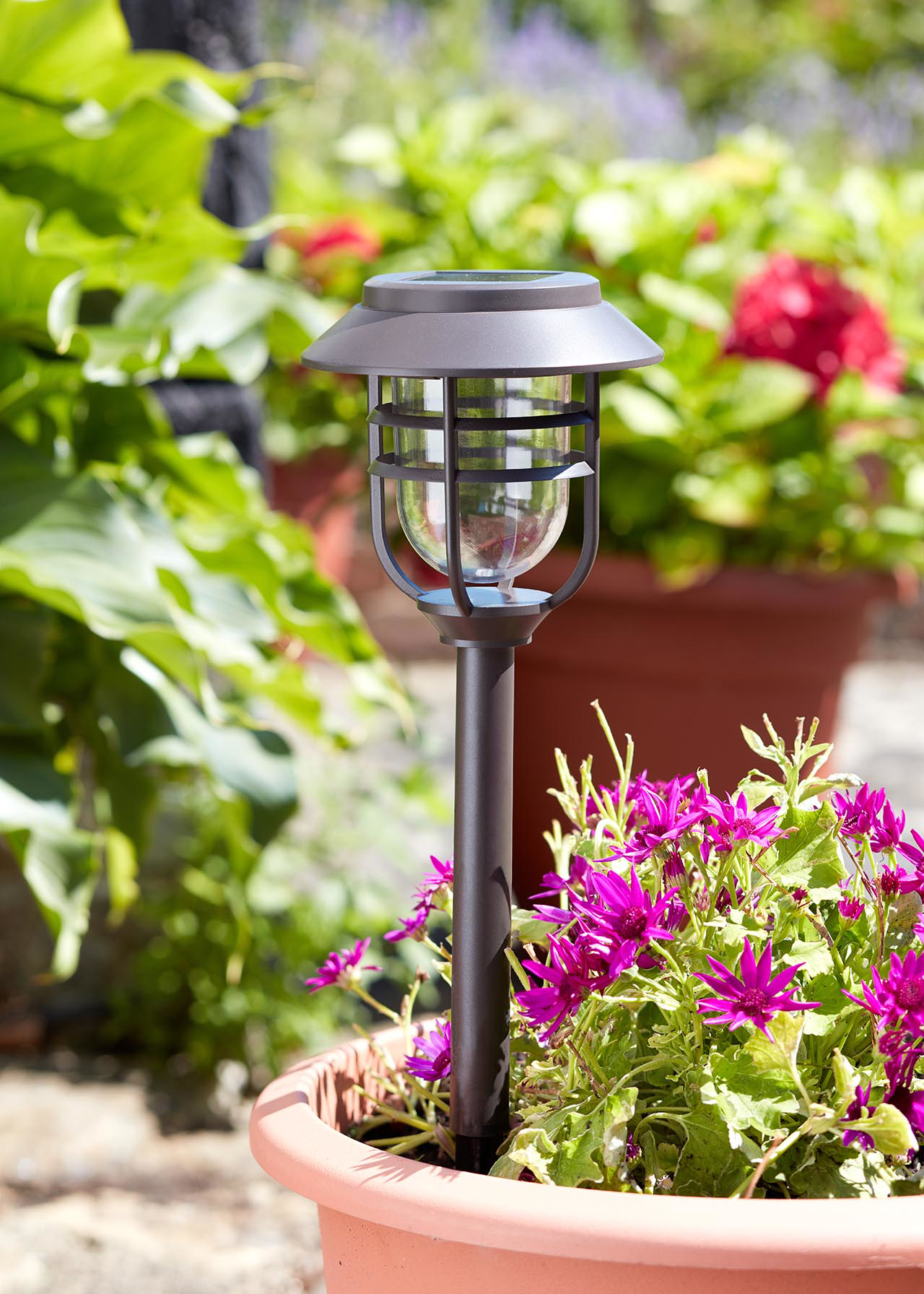
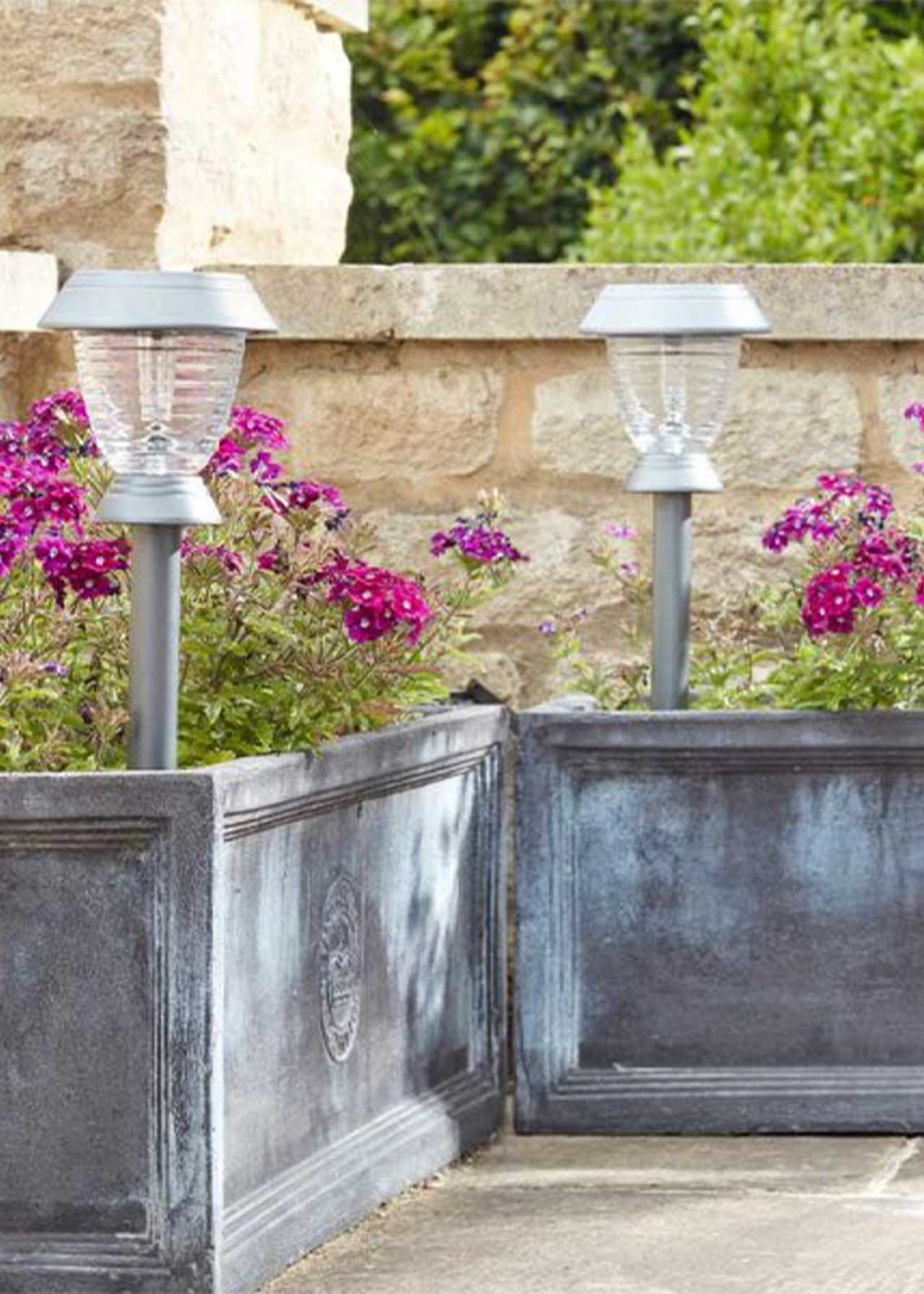
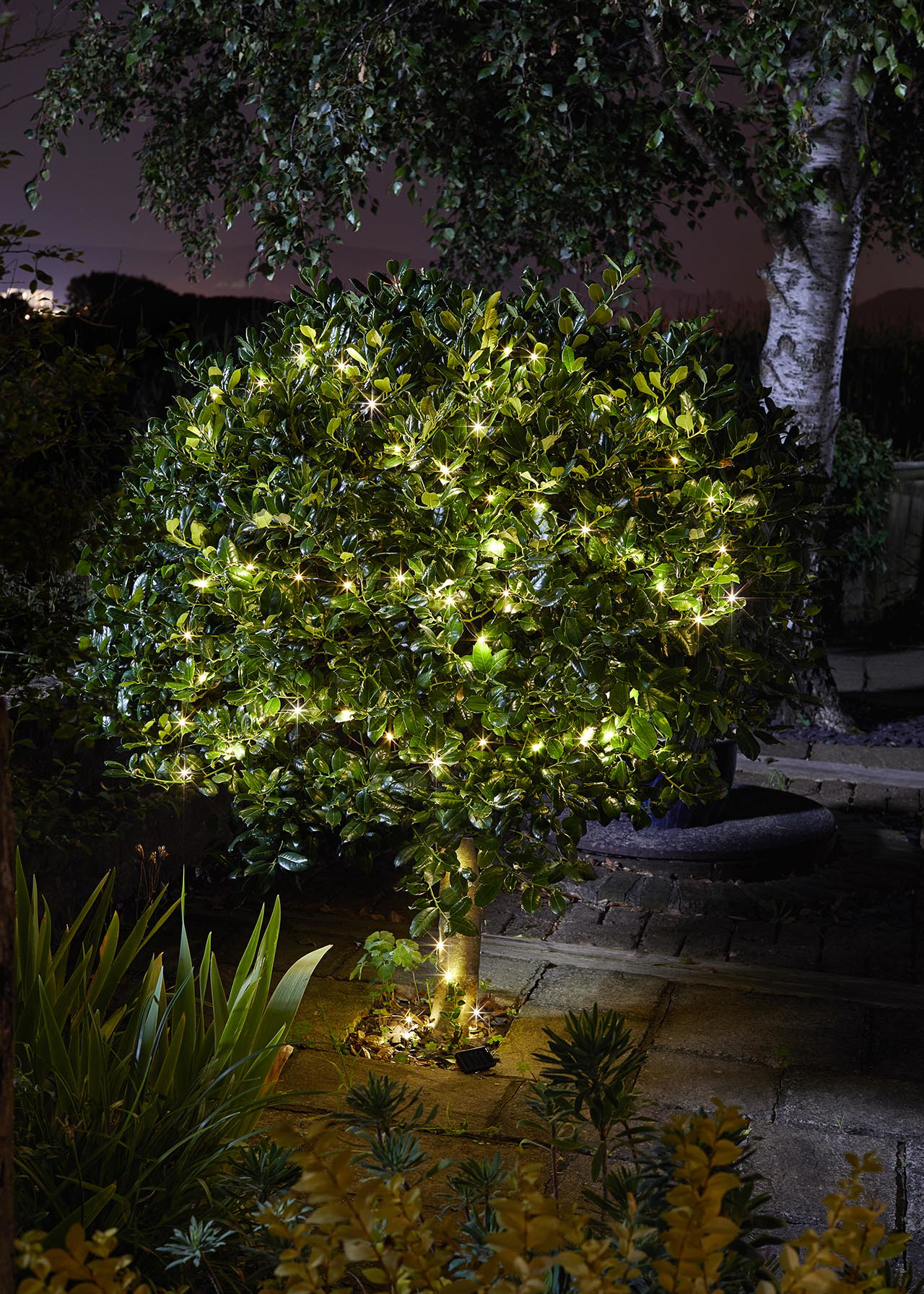
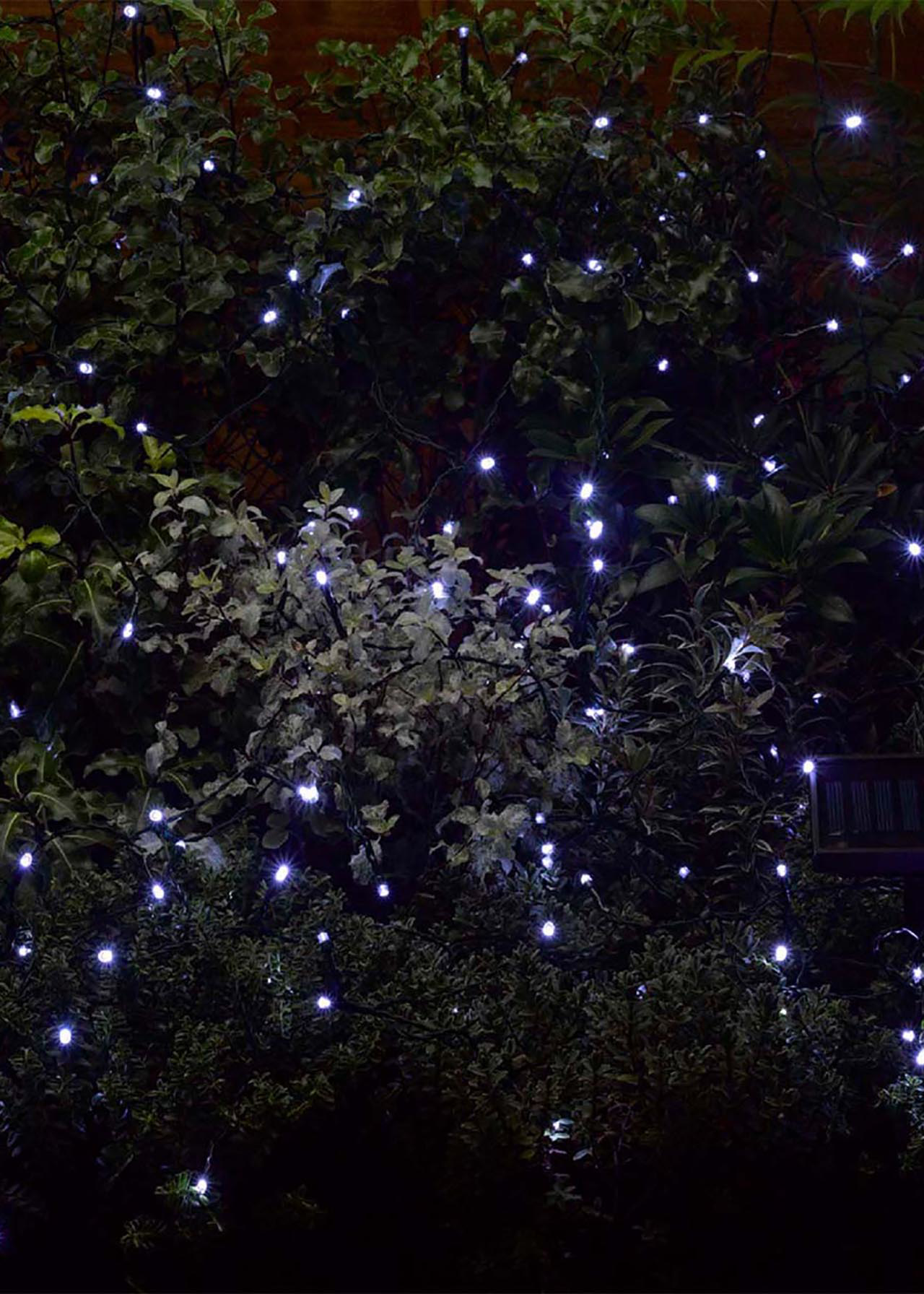
Whether you want to enjoy relaxing in the garden during the evening or illuminate pathways and flowerbeds, our outdoor lighting can add a magical touch to your space.
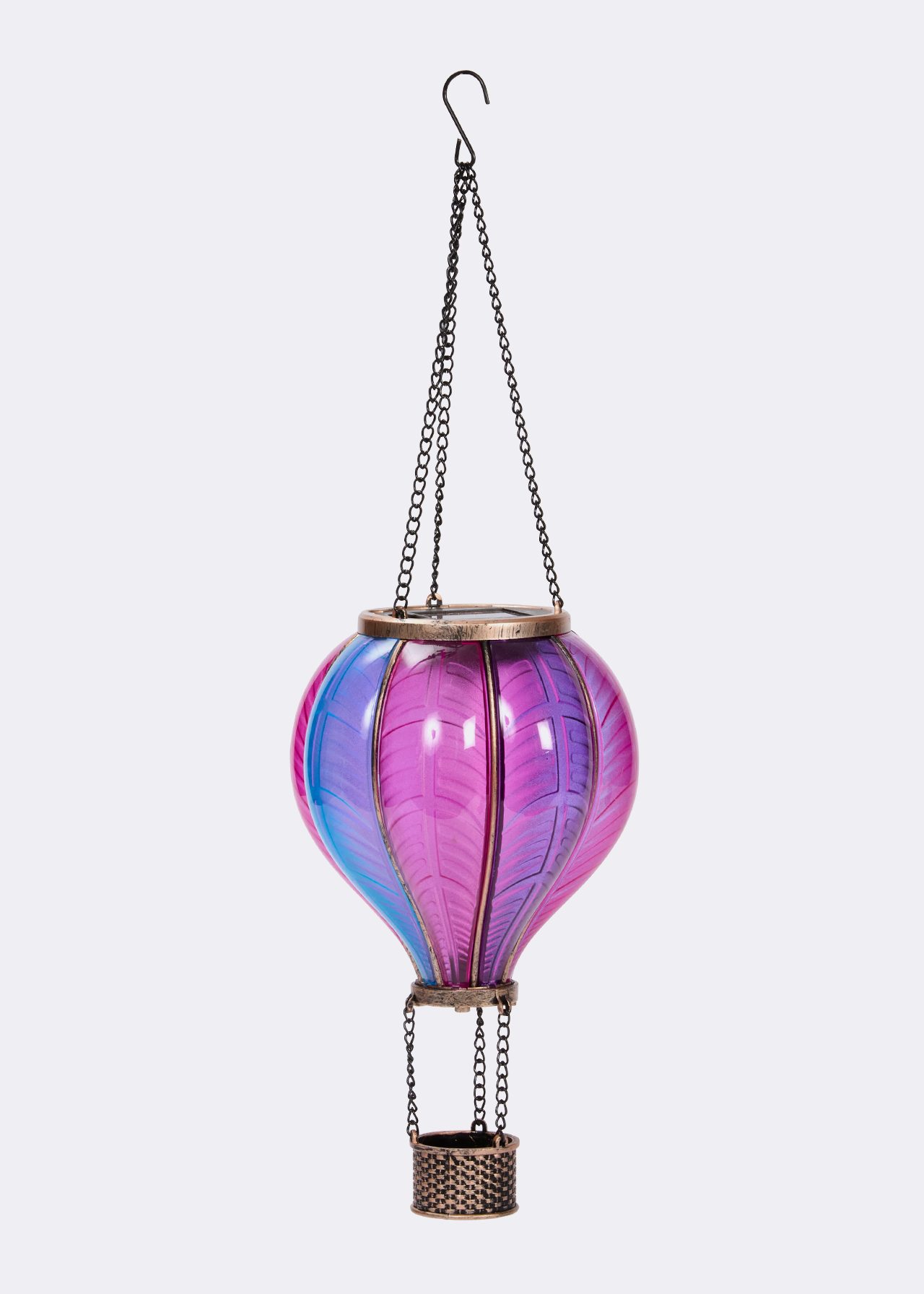
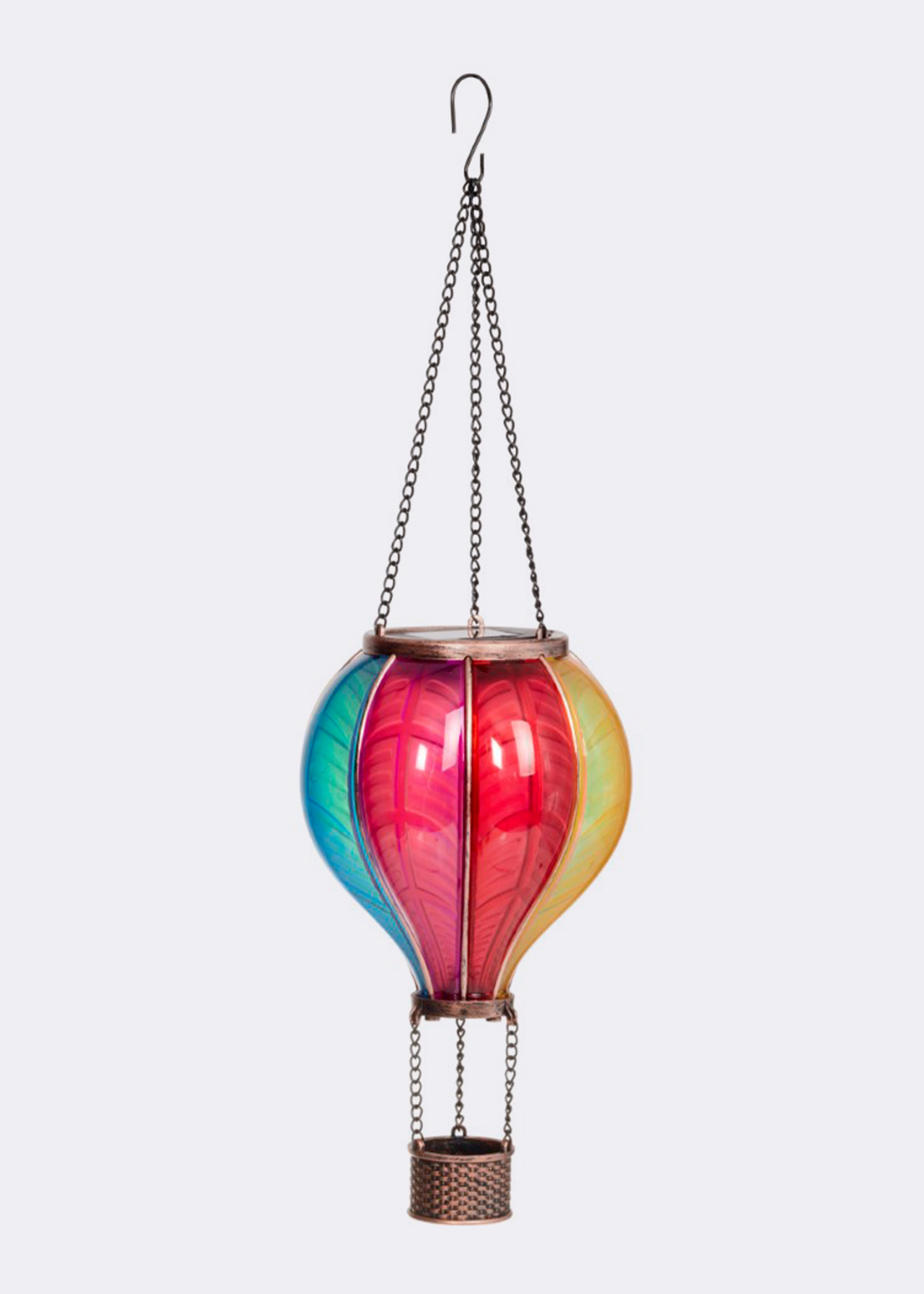
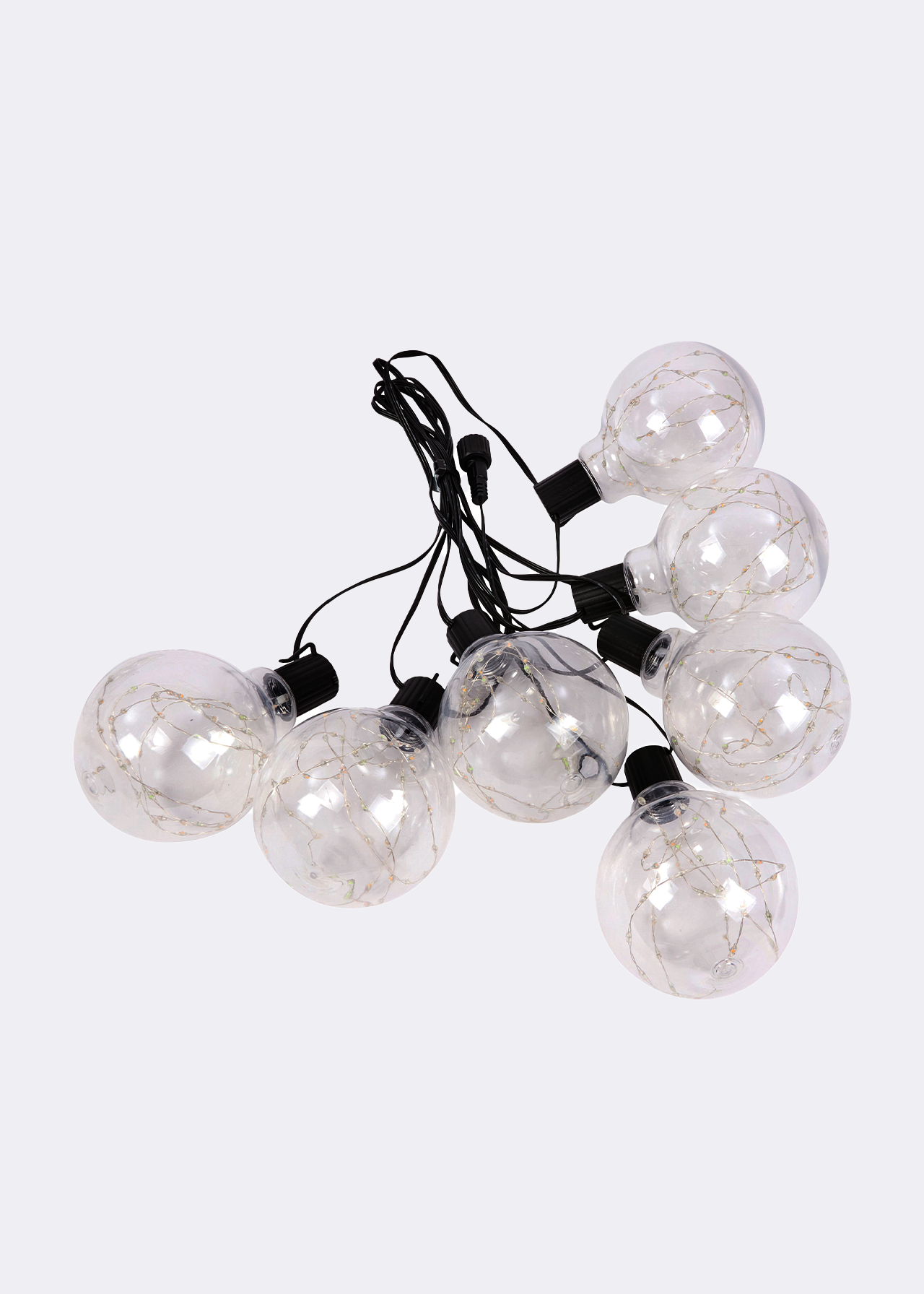
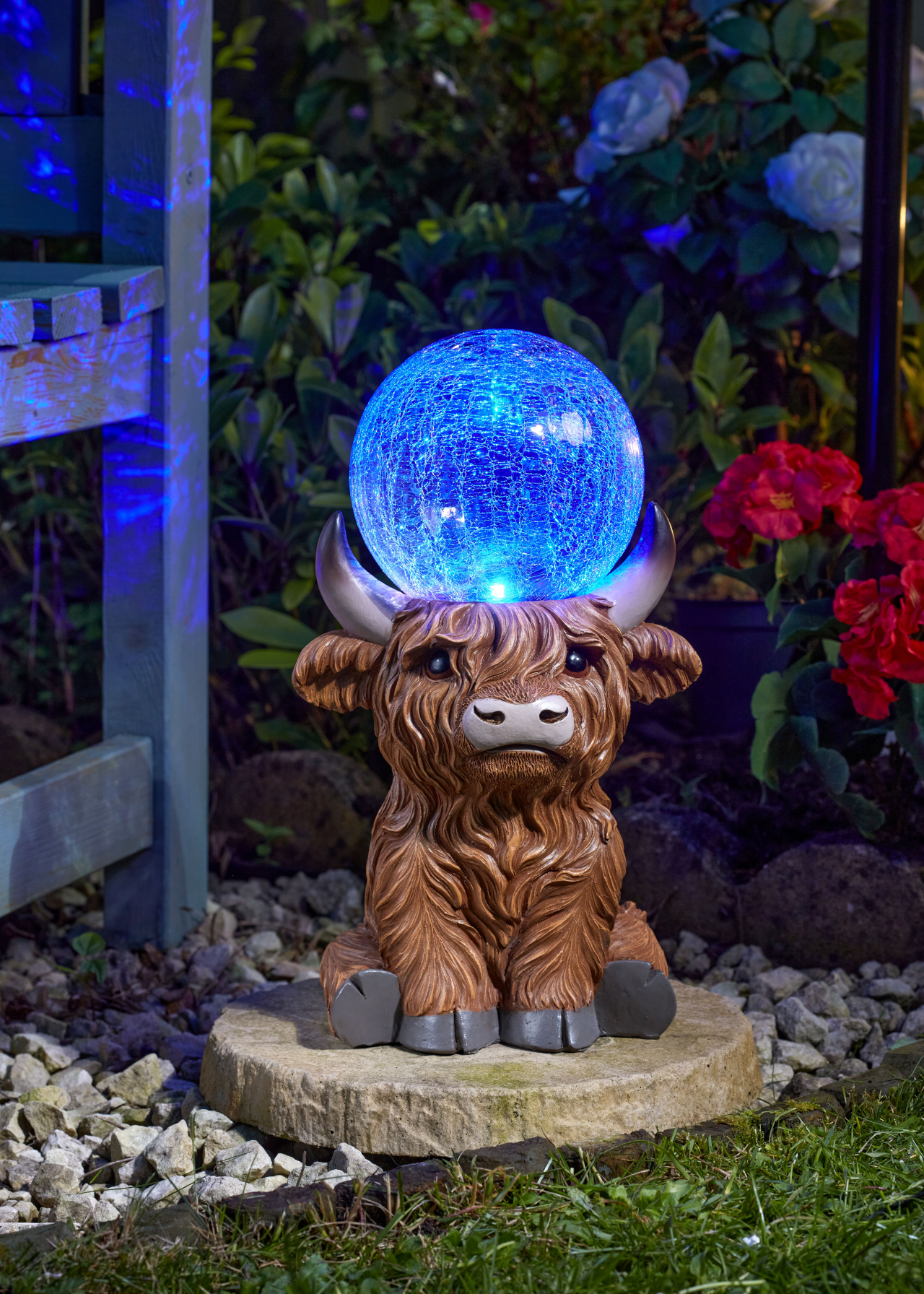
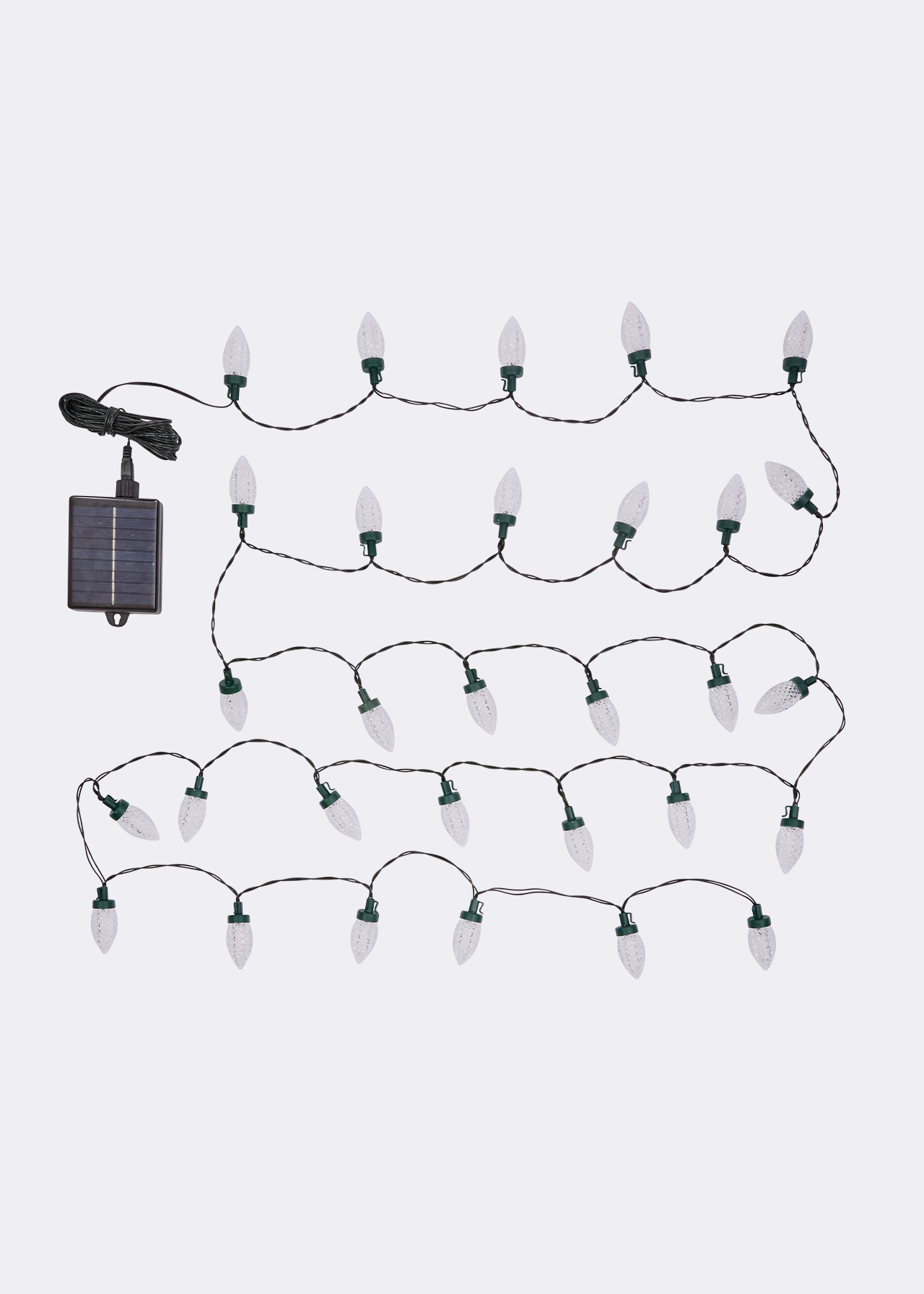
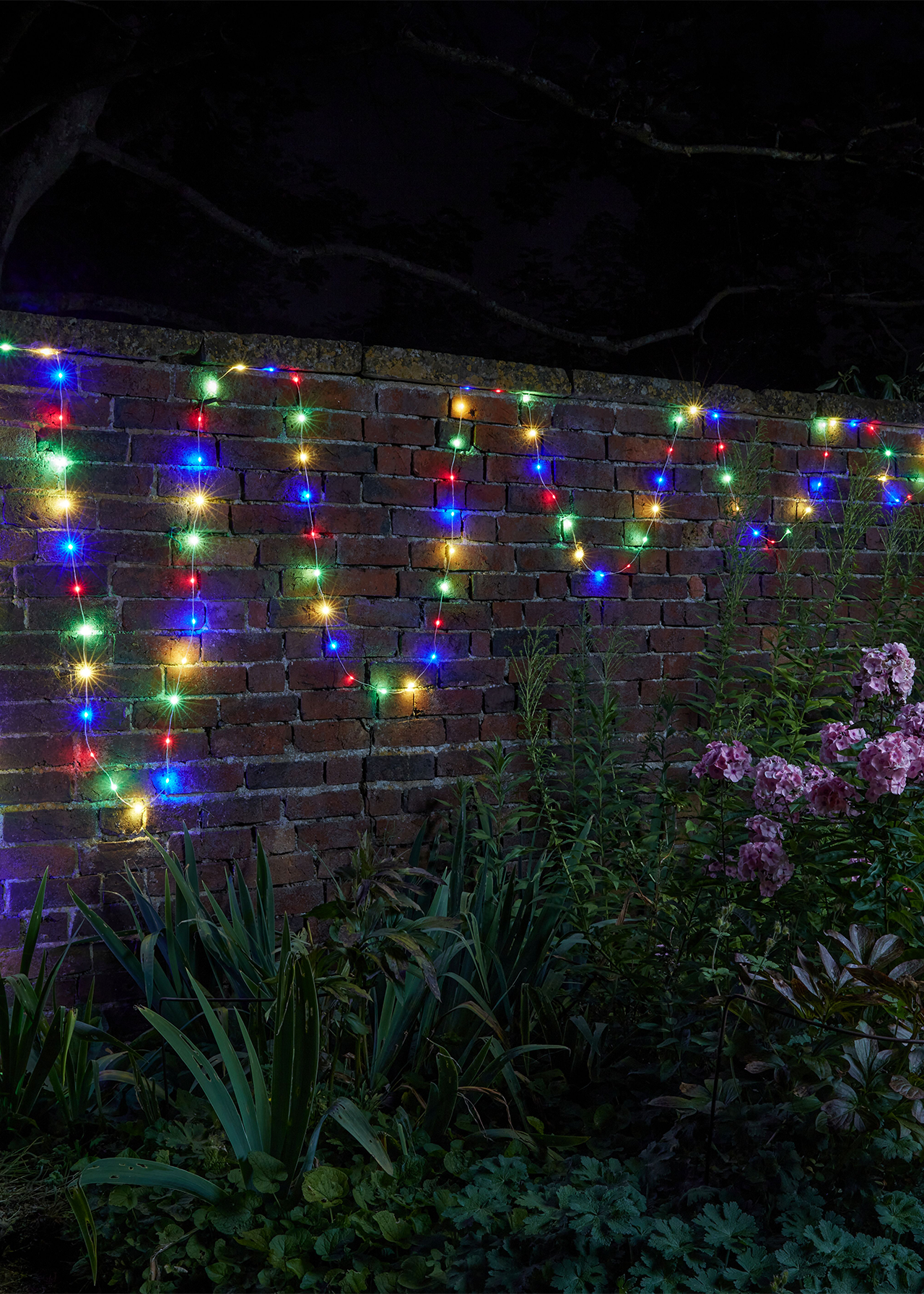

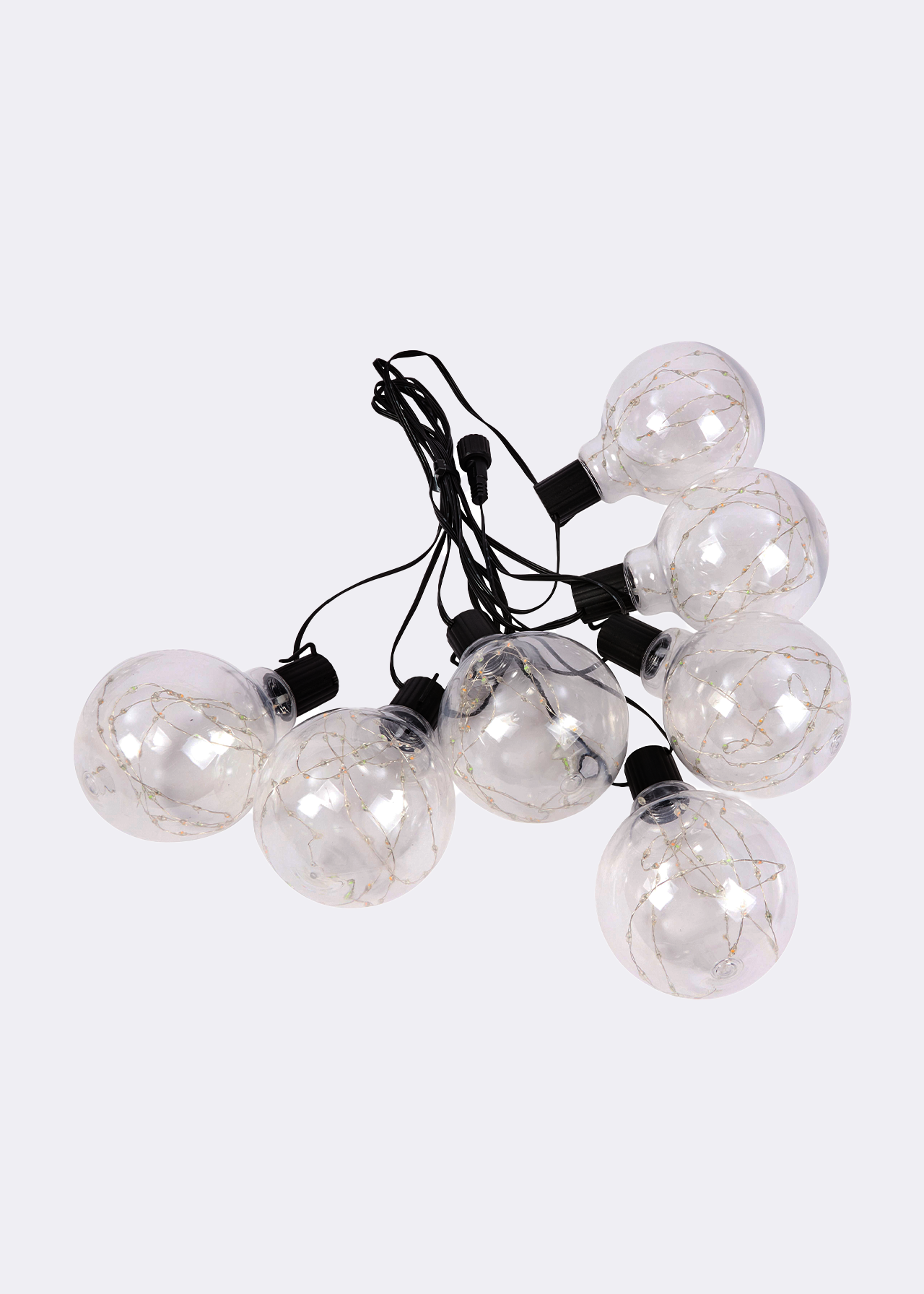
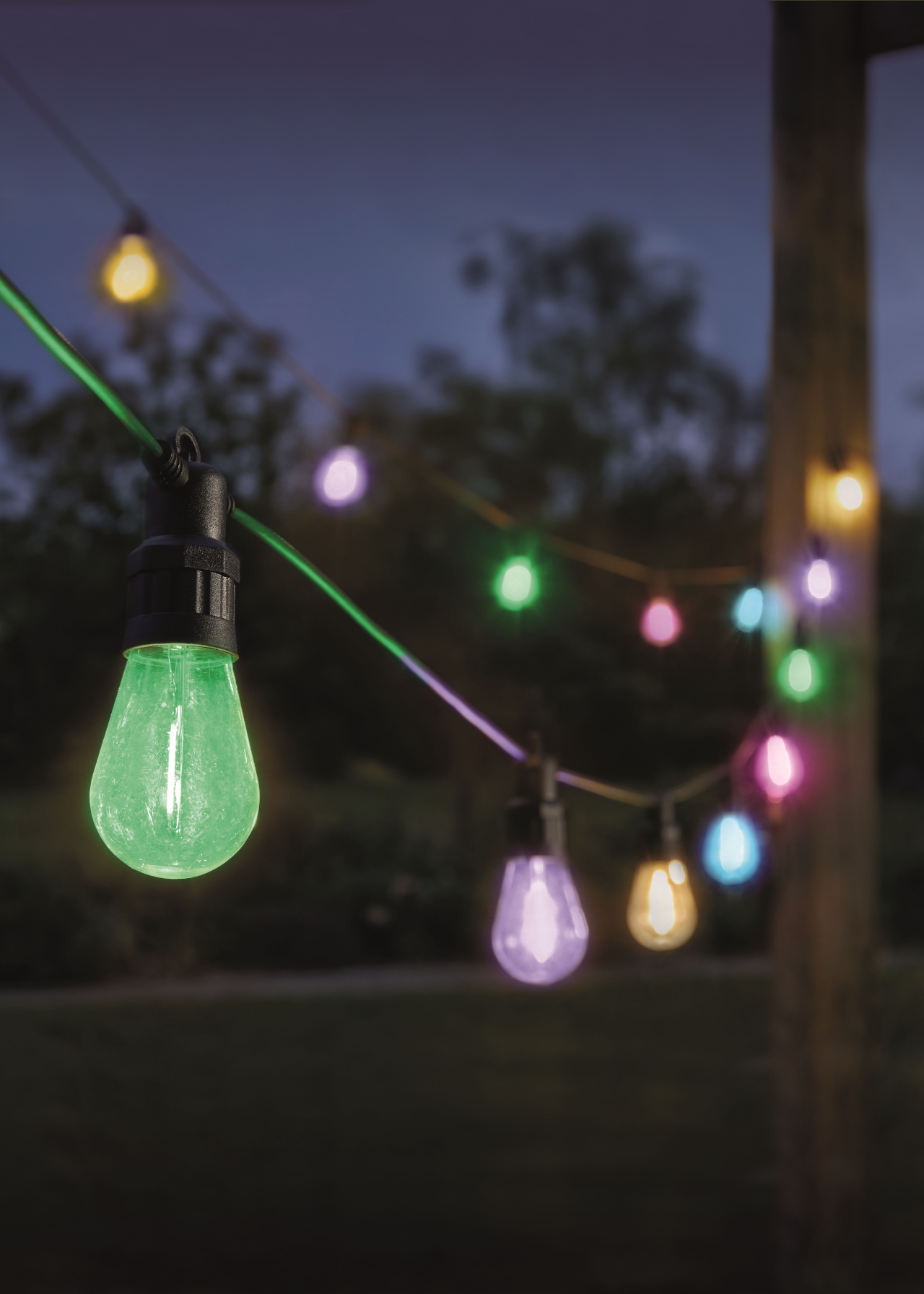
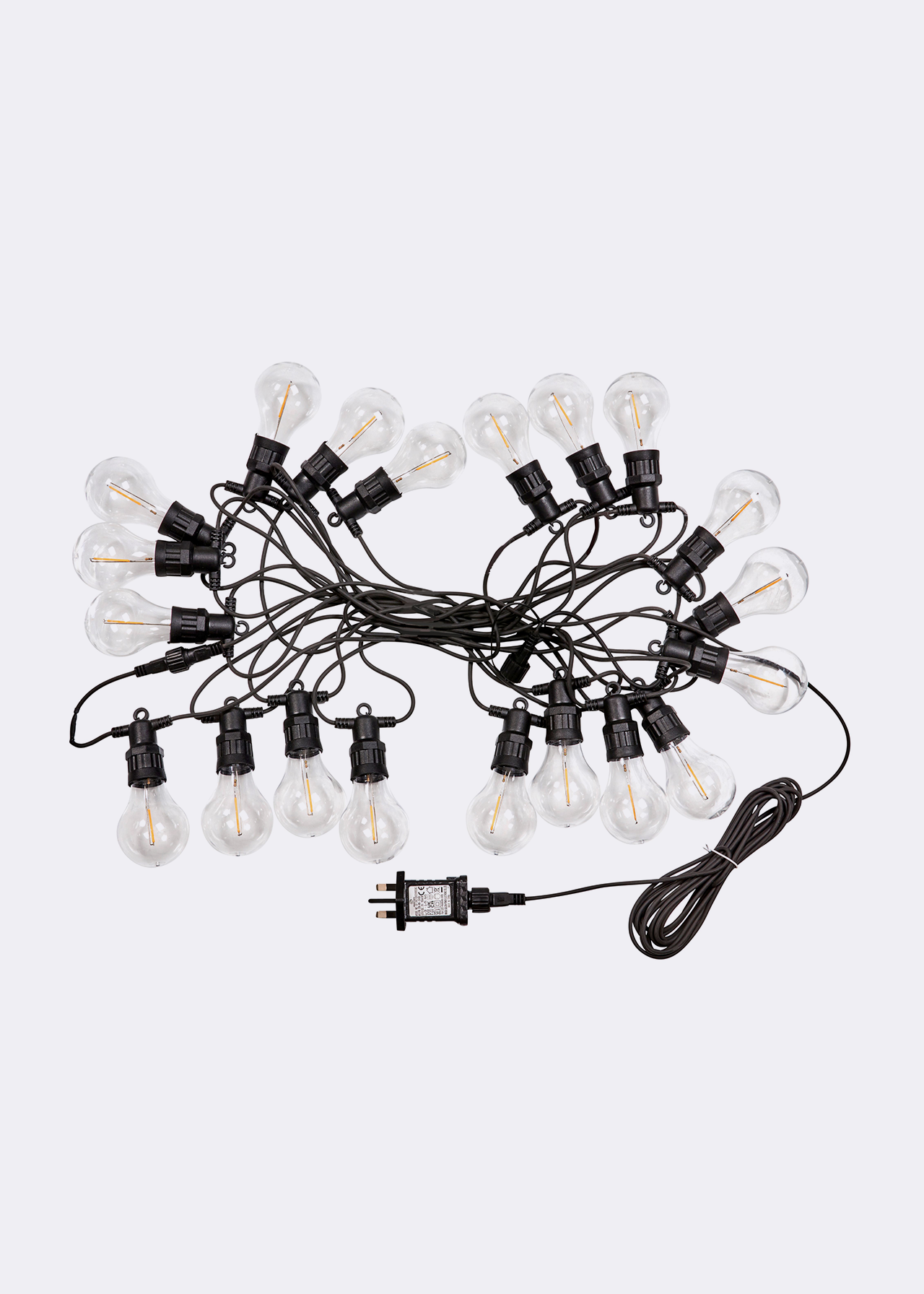
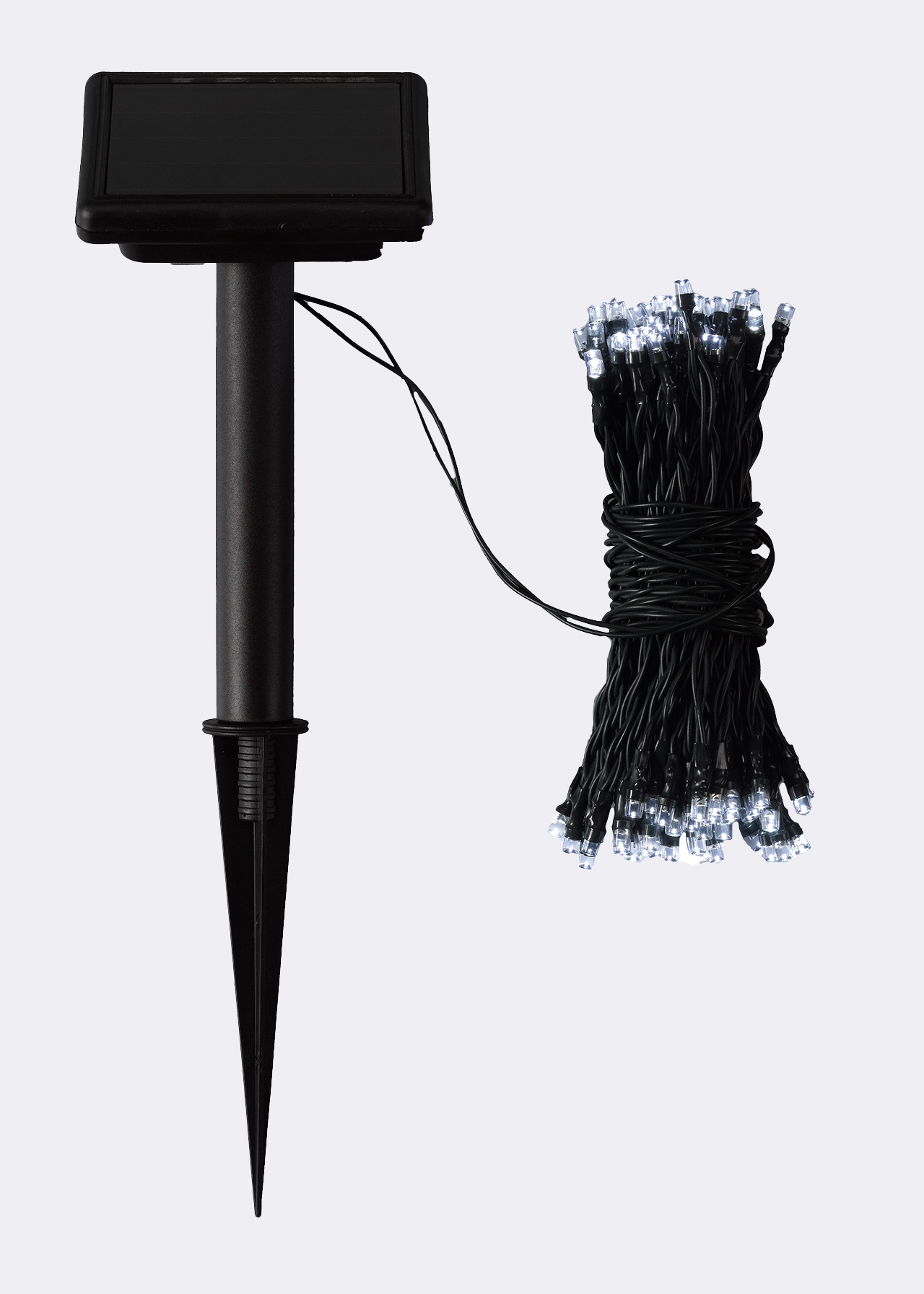
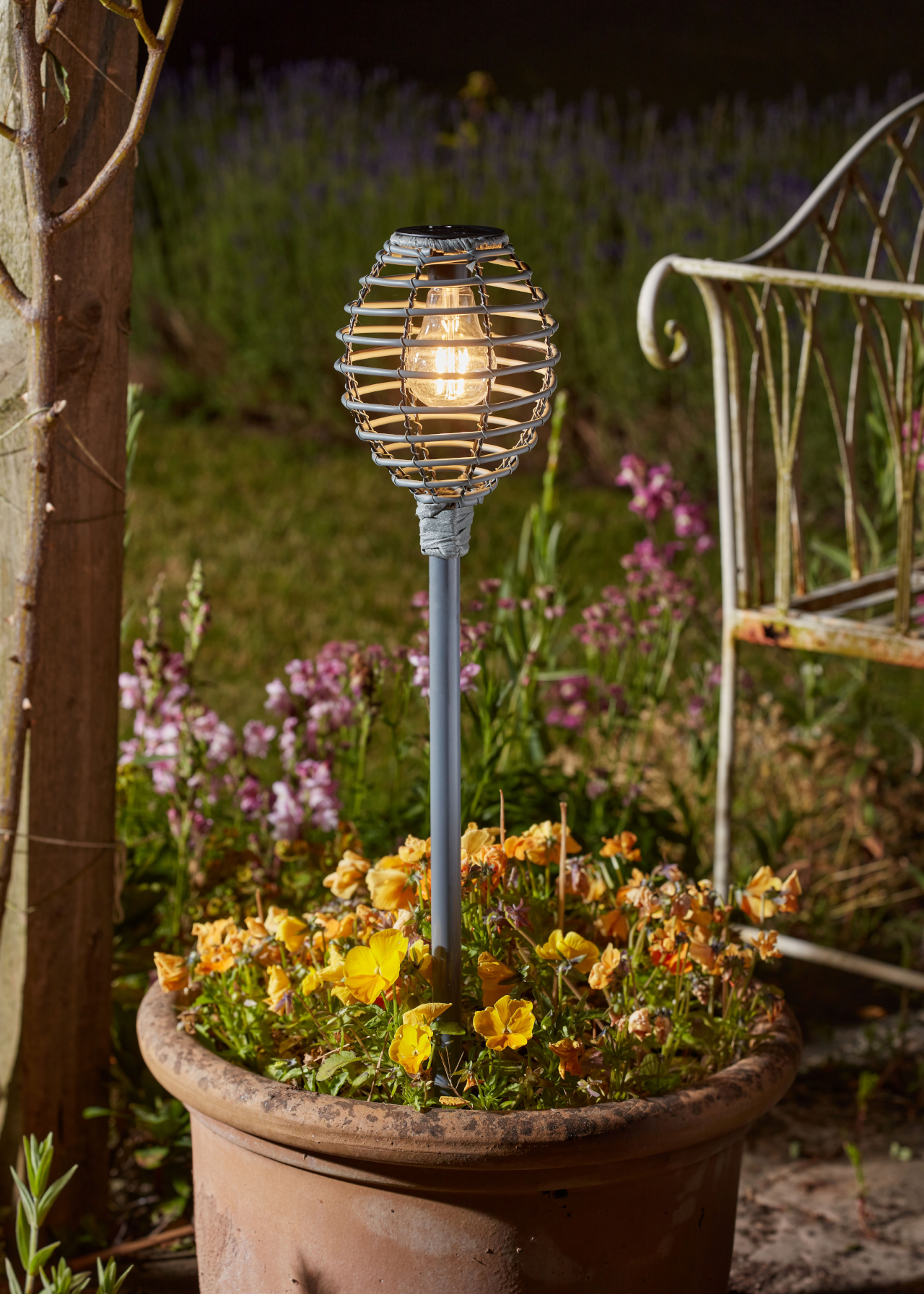
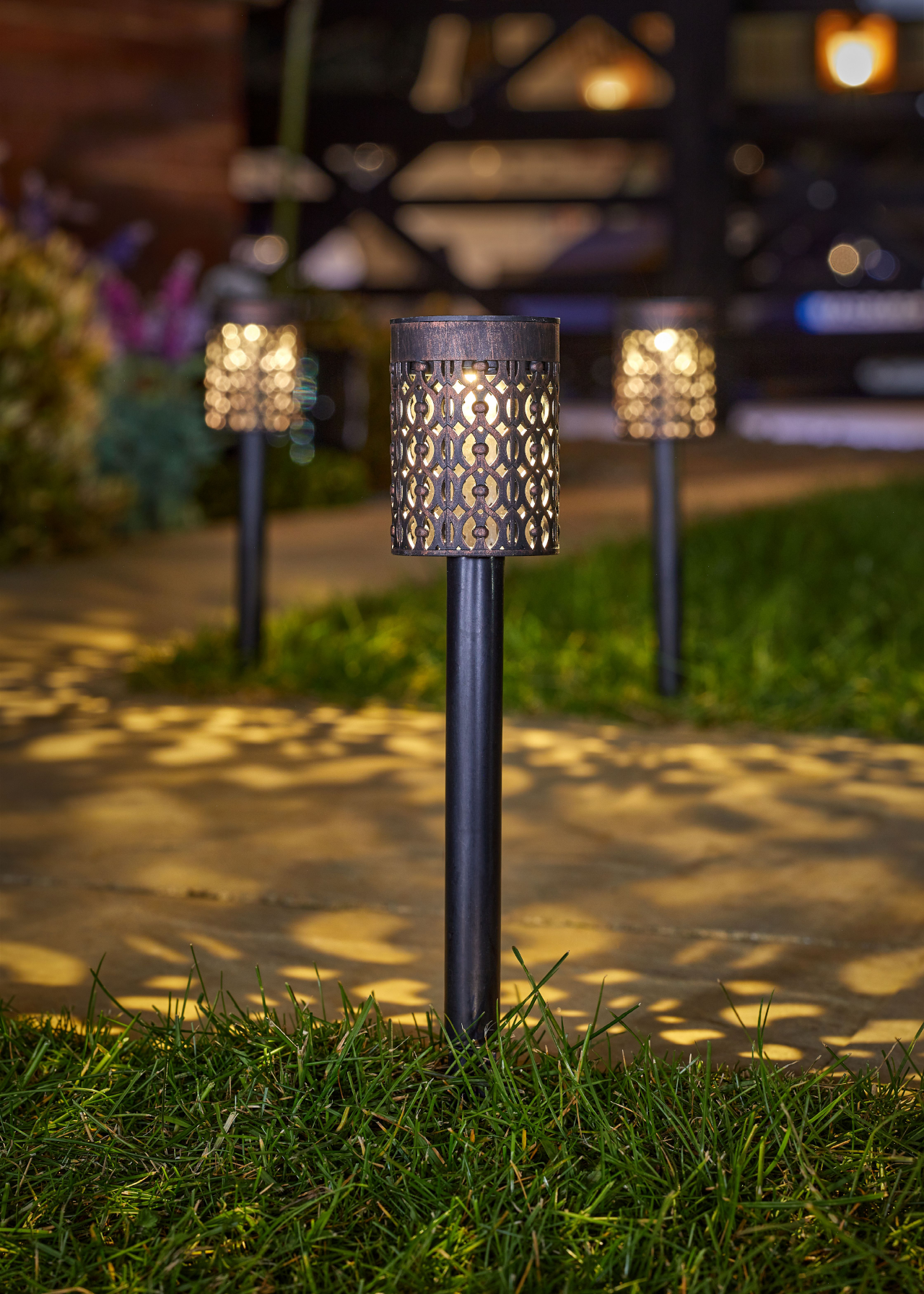
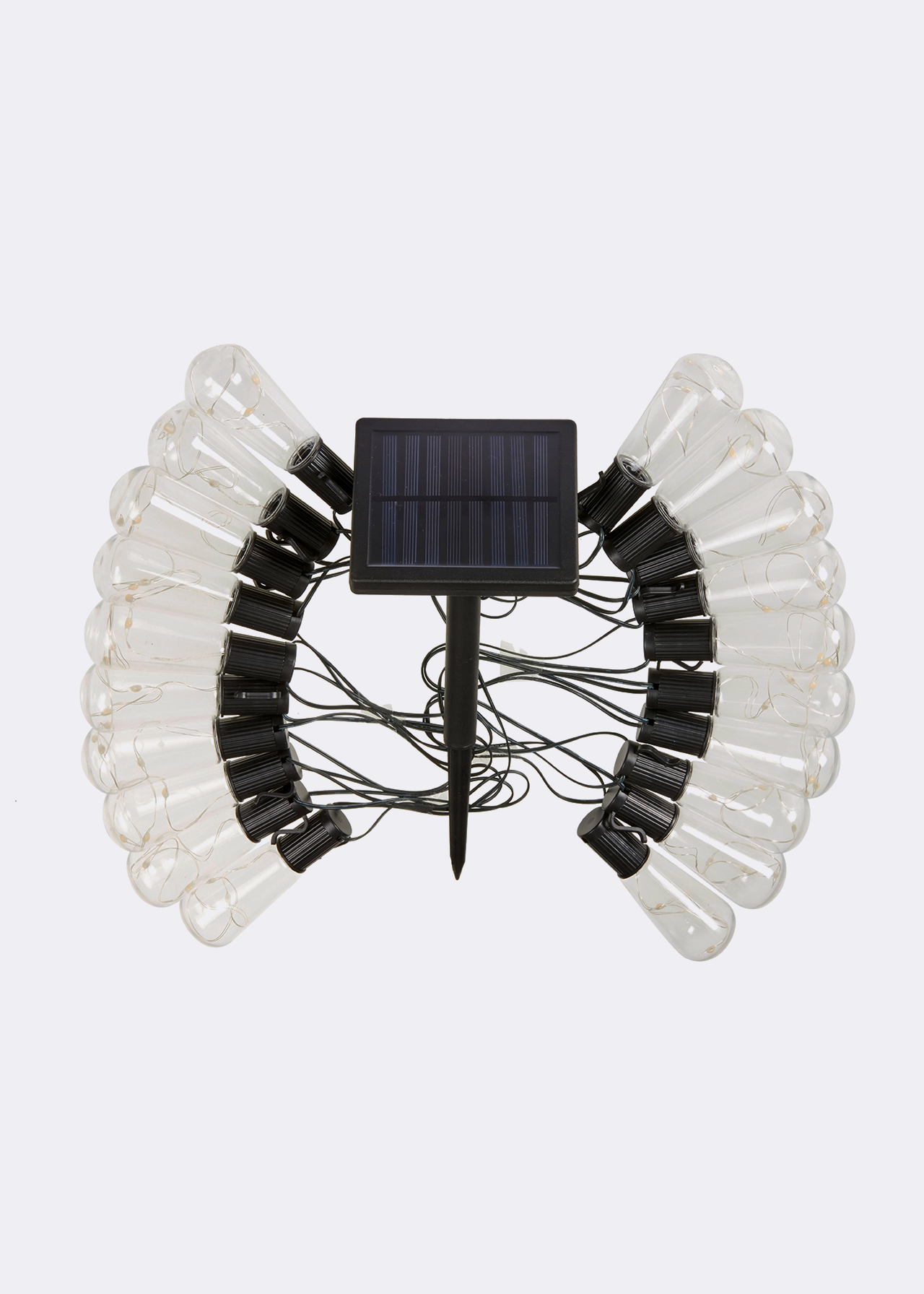
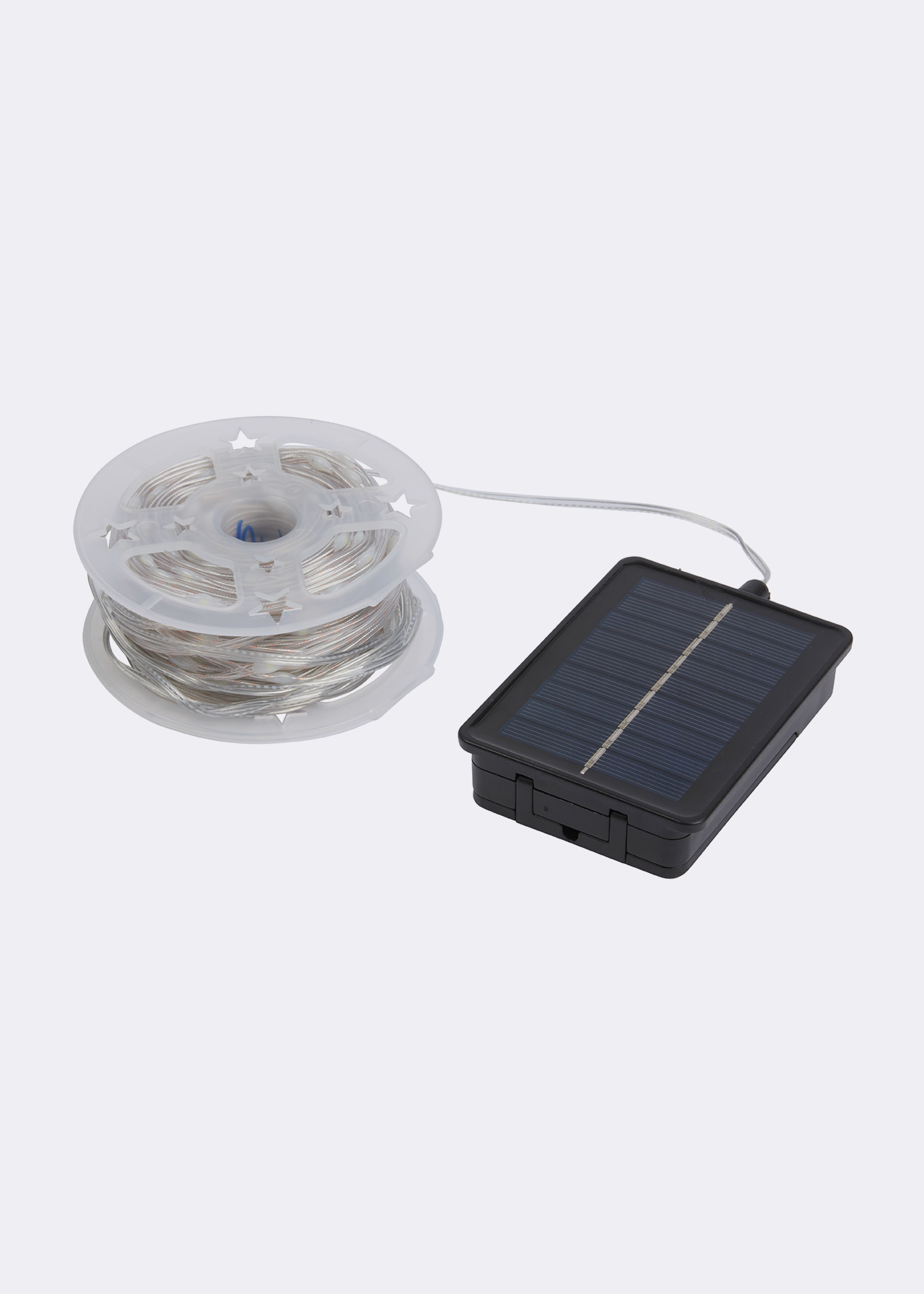
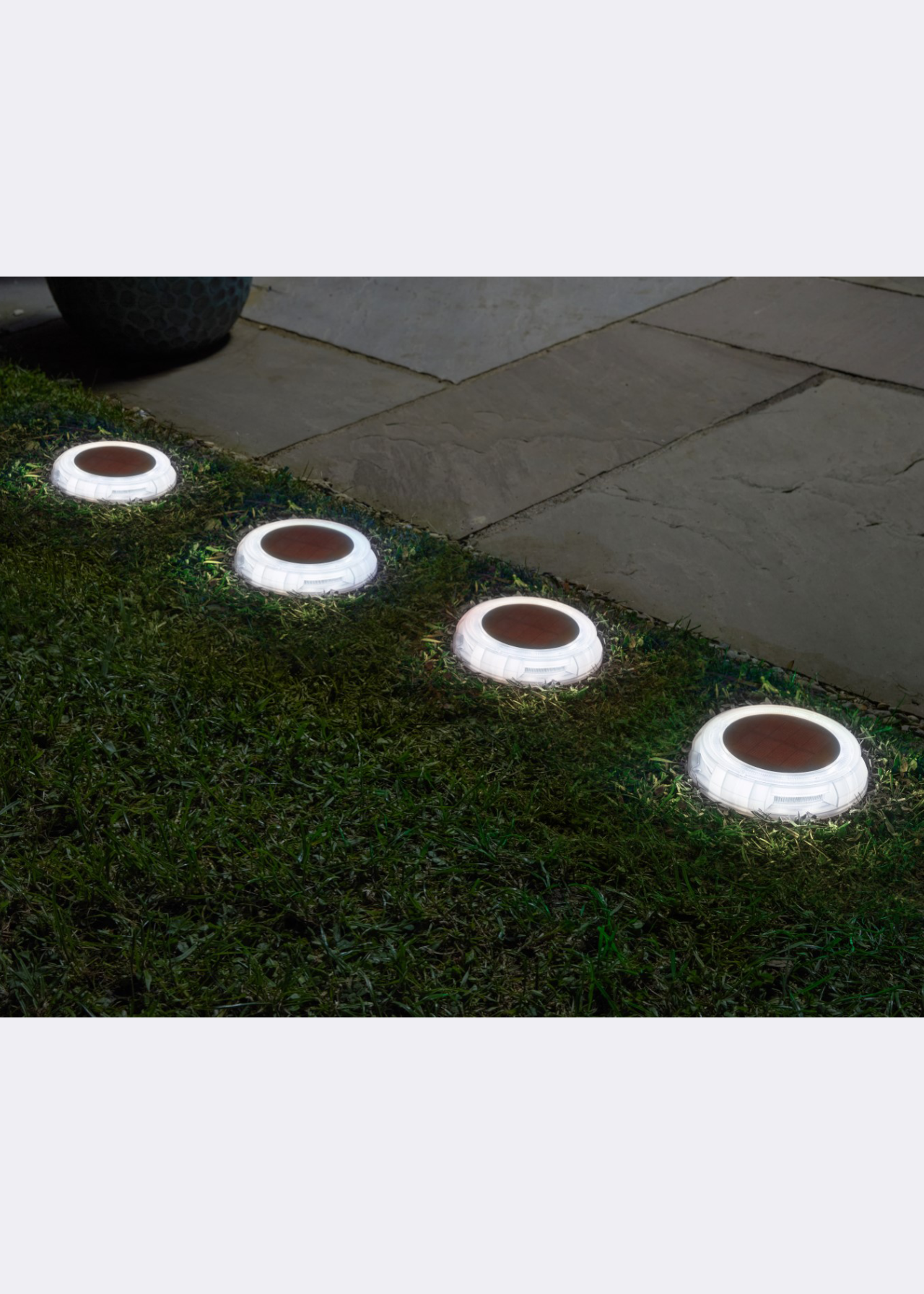
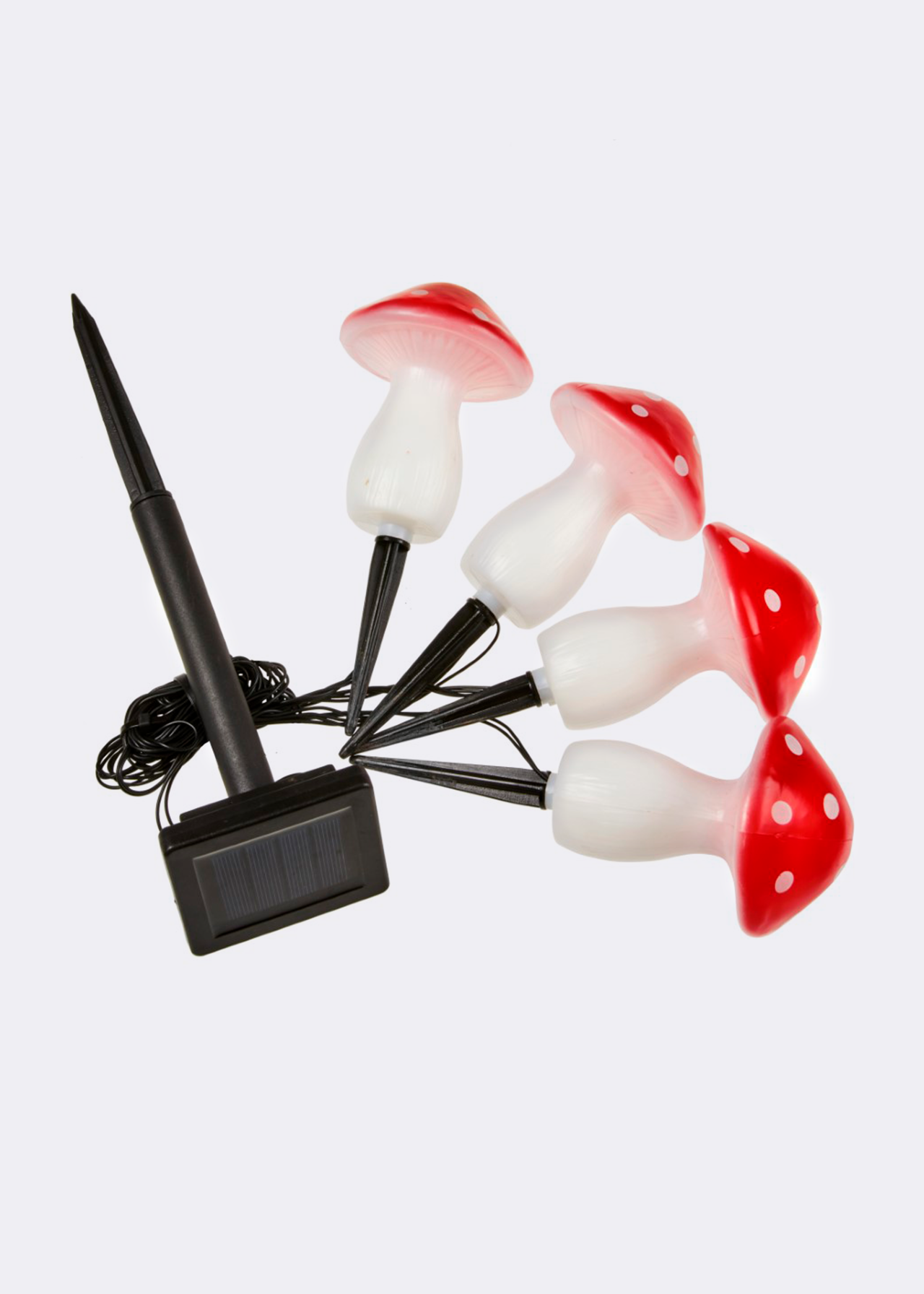
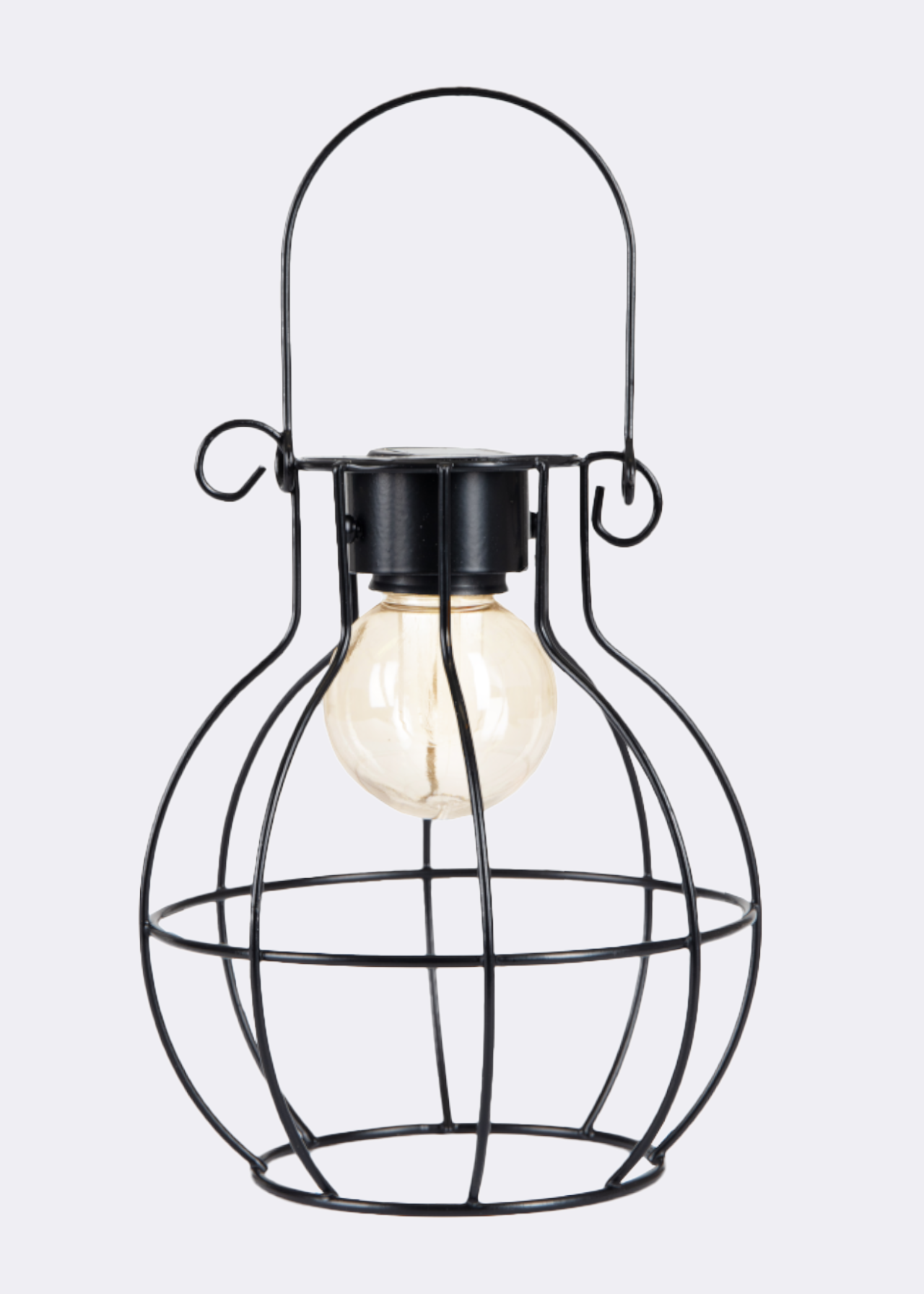
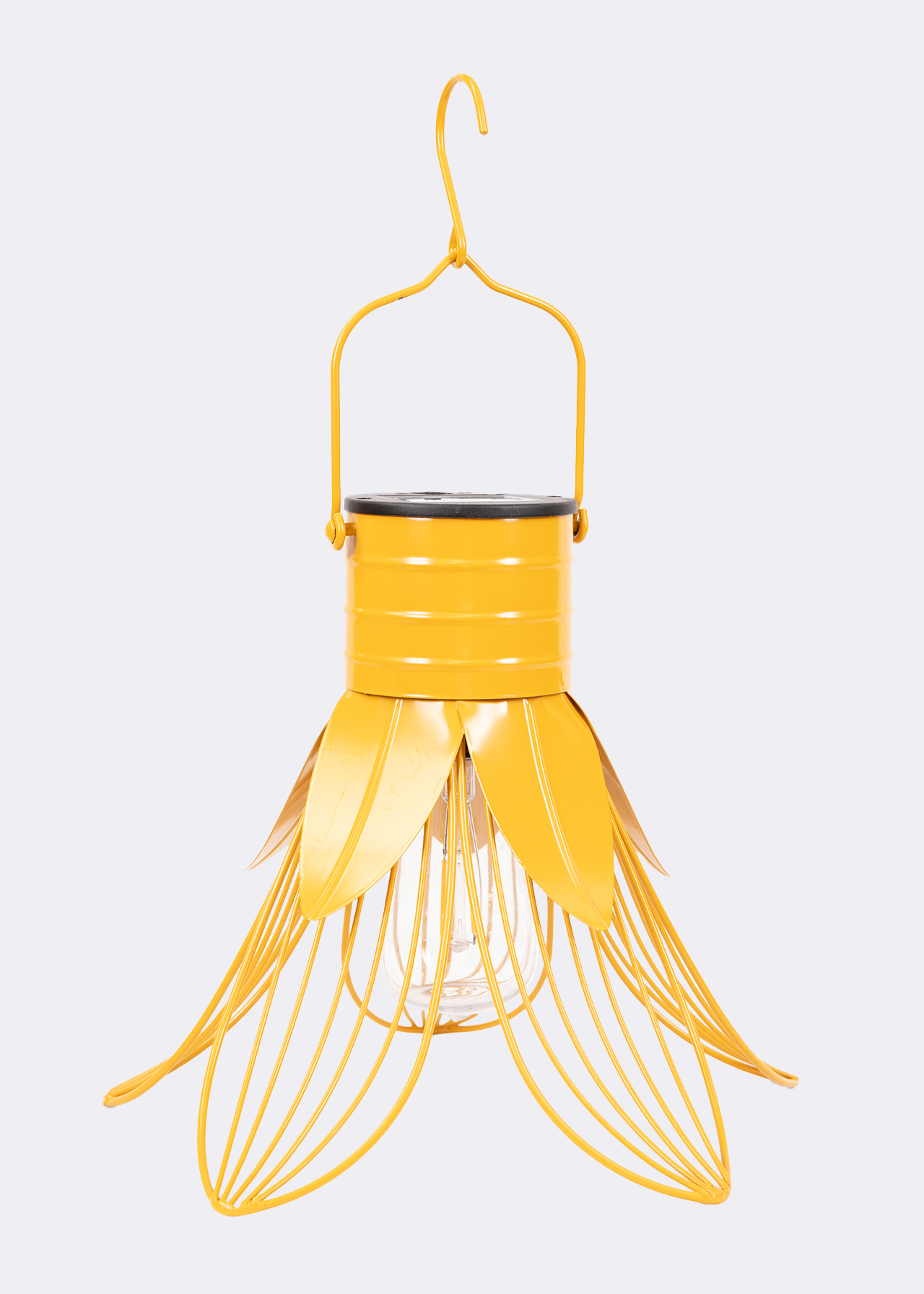
You've viewed 42 out of 42 results.
As the sun sets, the right lighting can completely redefine your outdoor living area, turning a simple patio into a sophisticated space for entertaining. Our collection at Dobbies spans everything from effortless solar-powered stakes and decorative lanterns to high-performance mains-powered spotlights. Whether you’re looking to highlight a favourite architectural plant, guide guests safely along a garden path, or create an atmosphere to enhance your garden furniture, our weather-resistant designs ensure your outdoor space remains a welcoming sanctuary all year round.
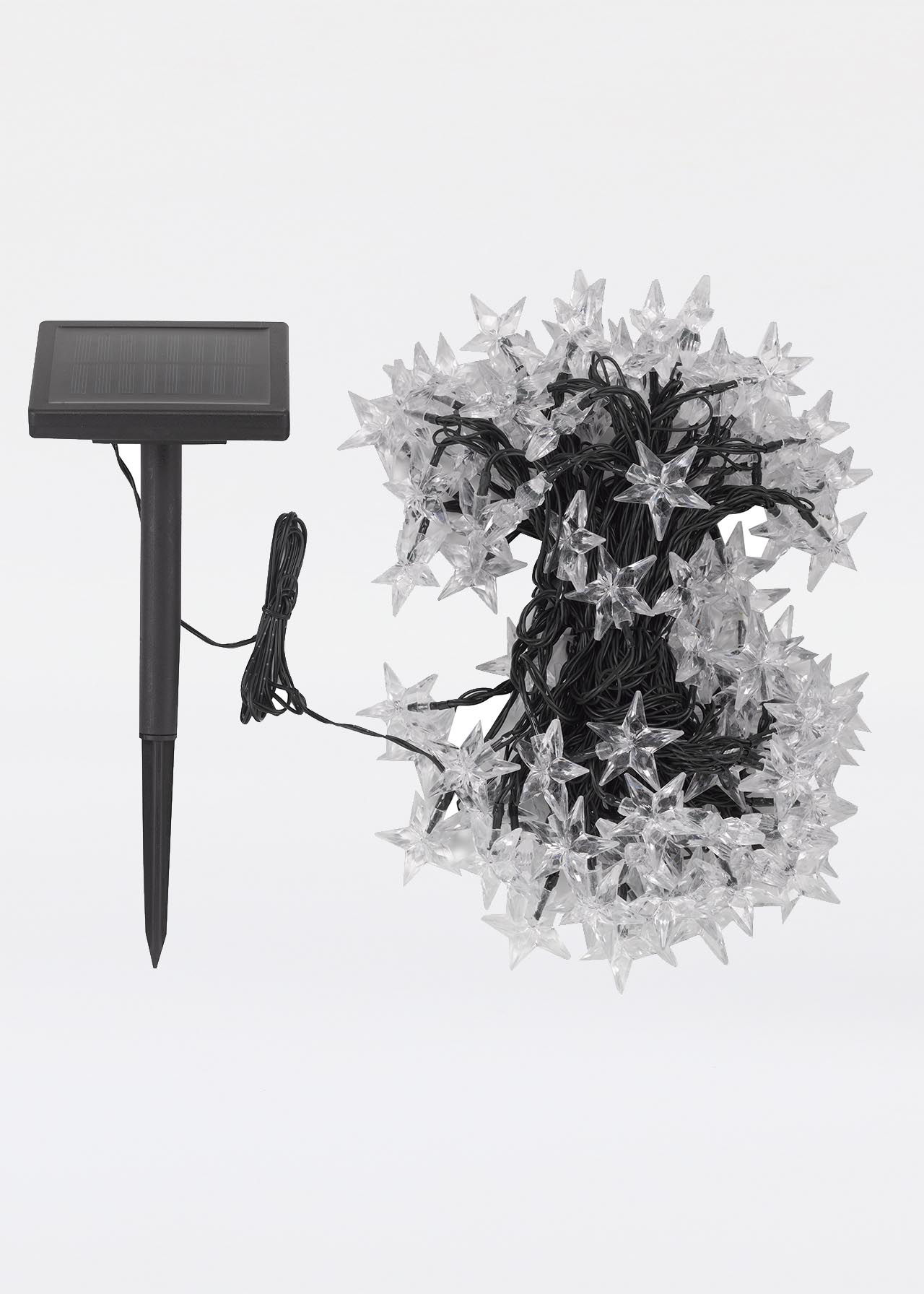
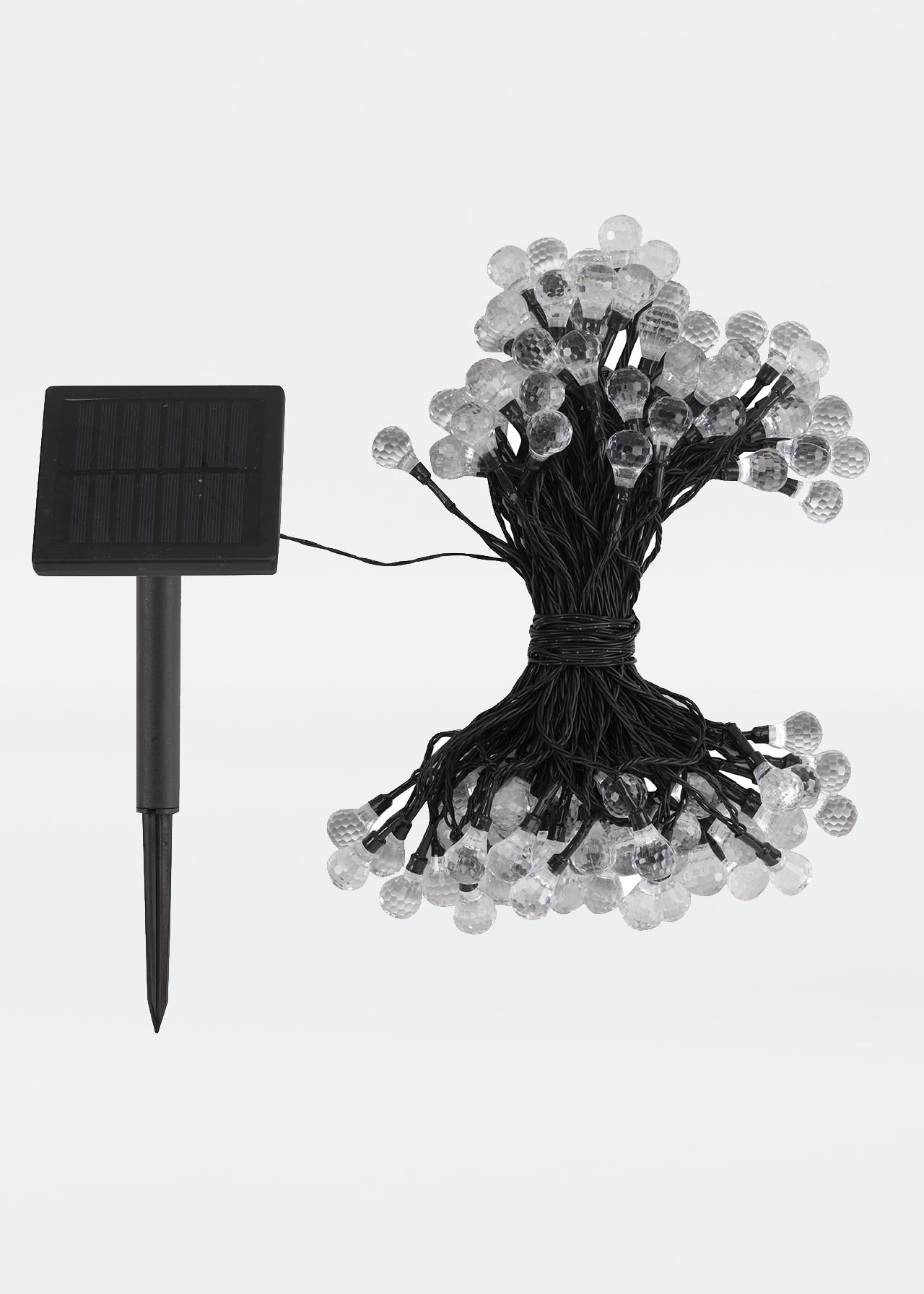
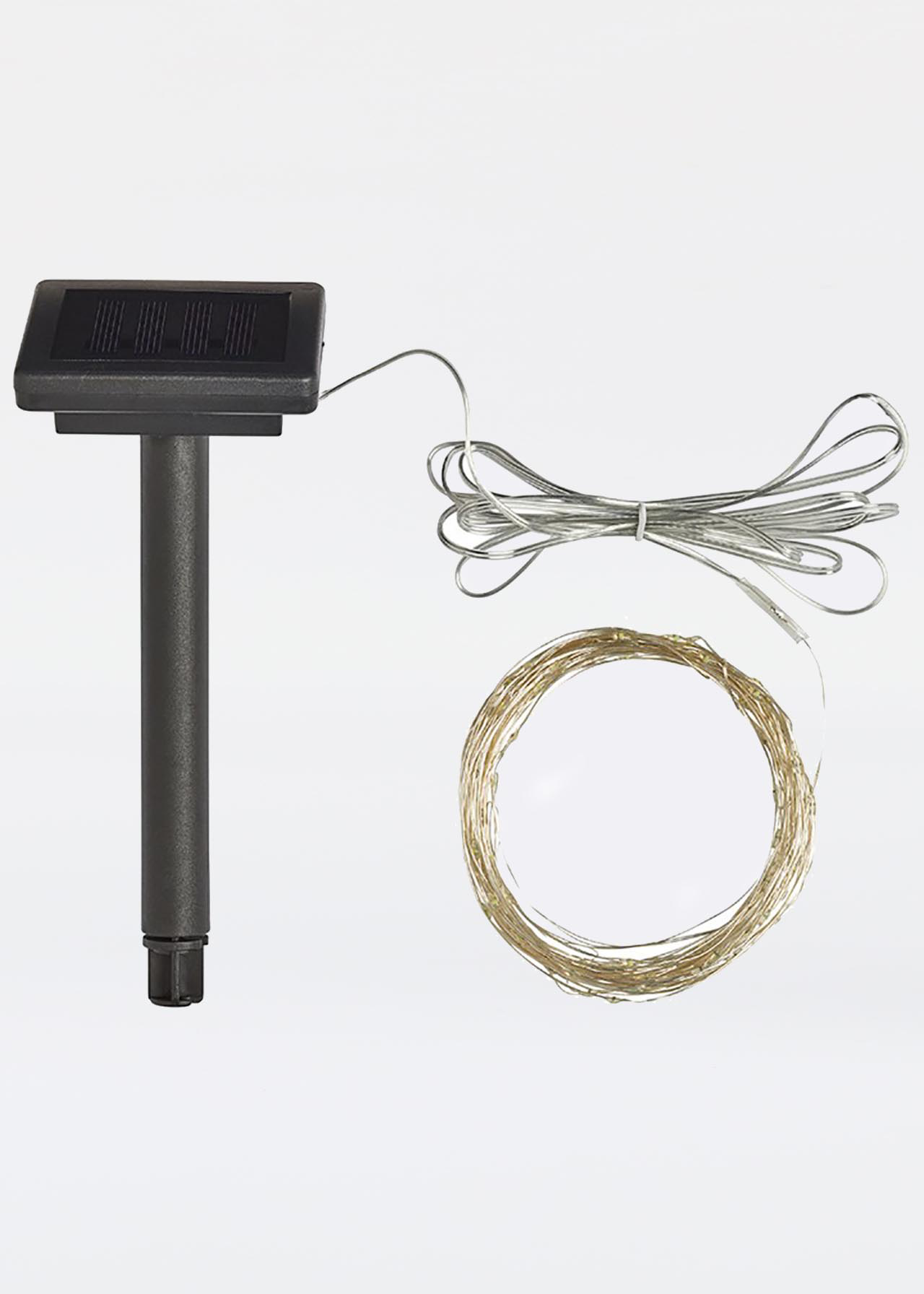
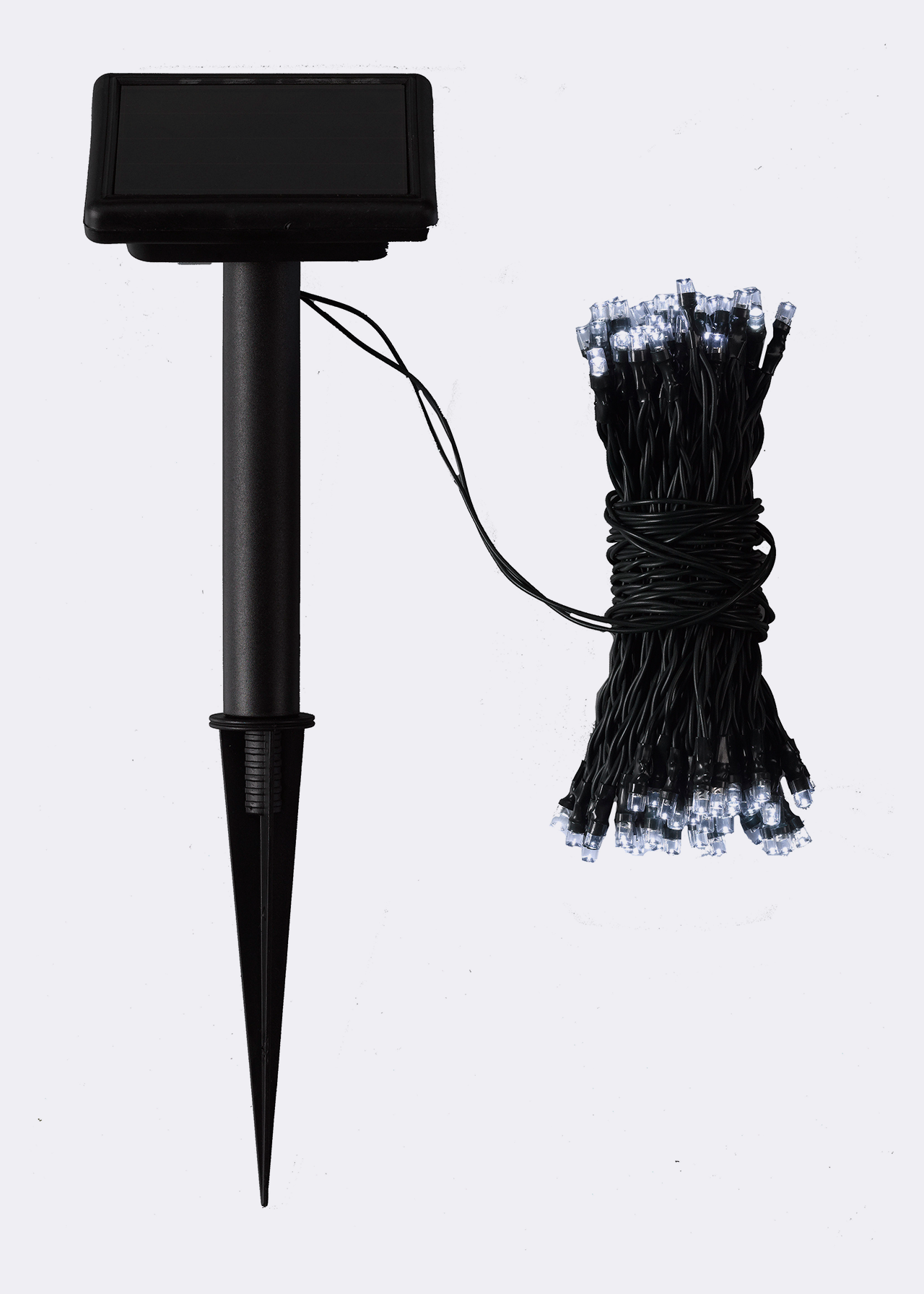
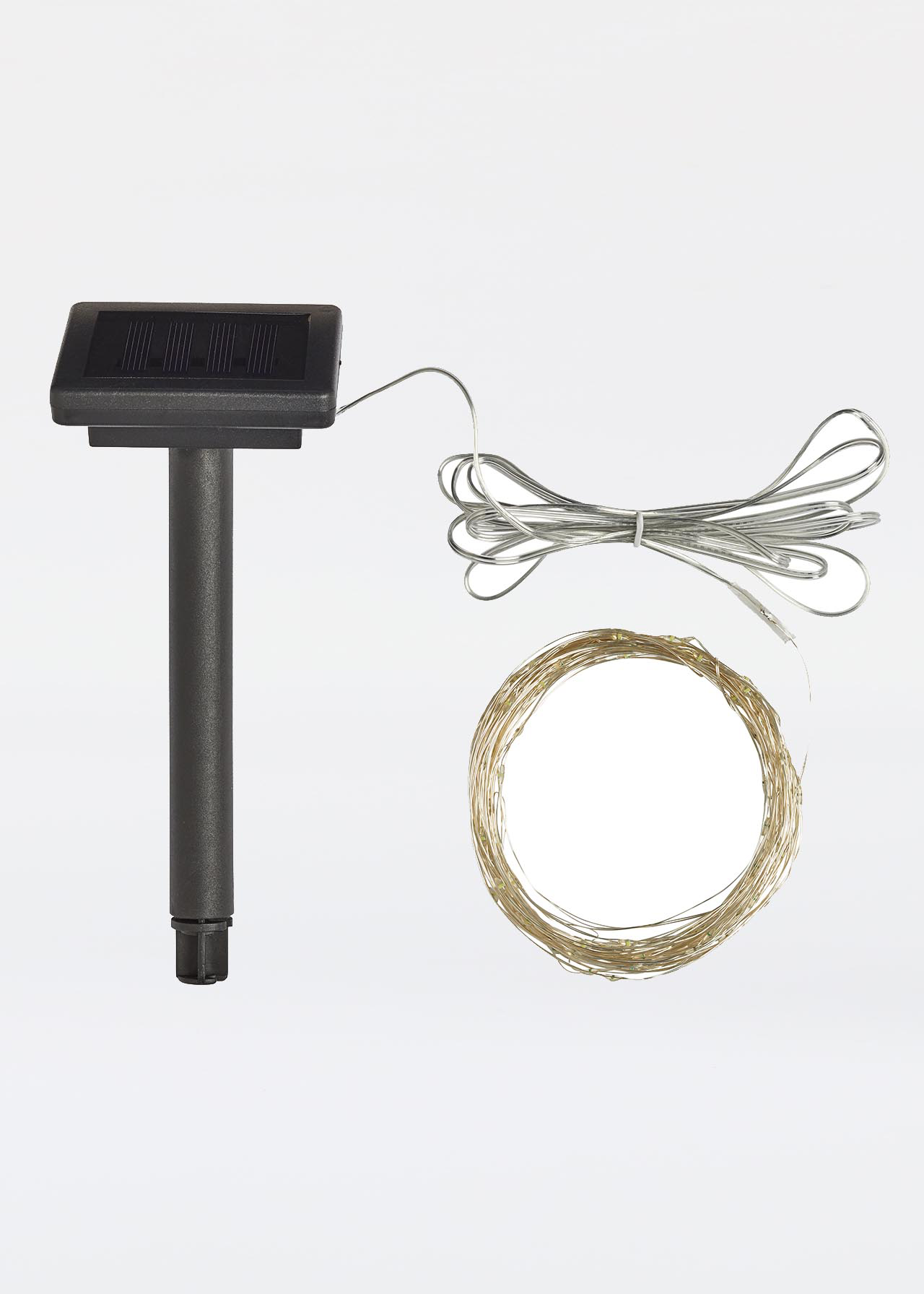
The choice usually depends on the location and purpose of the light. Solar lighting is incredibly easy to install, cost-free to run, and perfect for adding decorative "mood" lighting to the far corners of your garden without any wiring. Mains-powered lighting is generally much brighter and more consistent, making it the preferred choice for security lights, driveway illumination, or areas where you need a guaranteed light source regardless of the day's weather.
While solar lights perform best during the long, sunny days of summer, modern high-efficiency panels can still harvest energy on overcast days. During the winter, you may notice that the lights don't shine as brightly or for as long as they do in July. To get the best performance, ensure the solar panel is clean and positioned in a spot that receives the maximum amount of daylight, even when the sun is low in the sky.
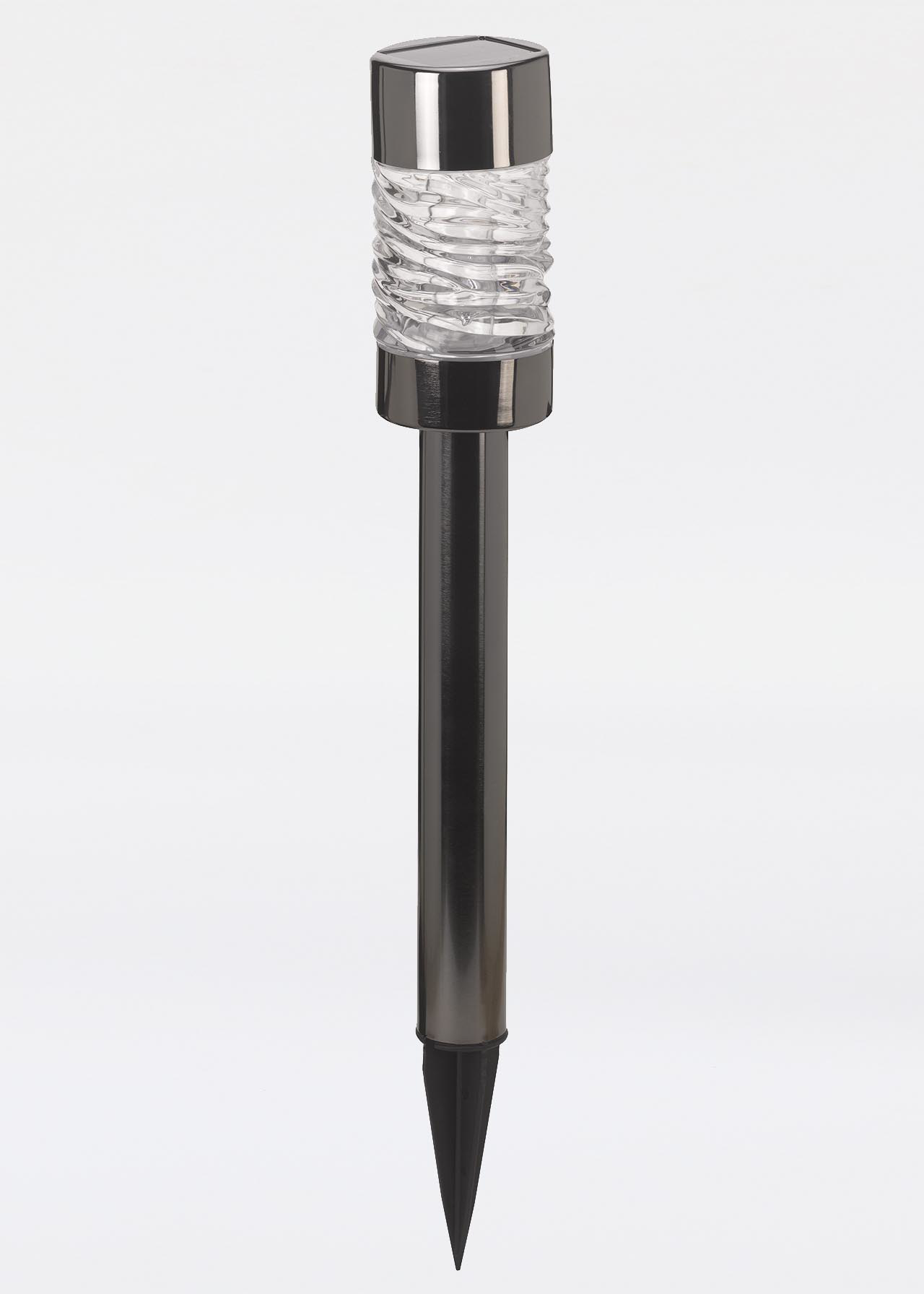
For paths and walkways, "bollard" style lights or recessed ground spots are ideal. They should be spaced evenly to avoid creating dark "trip hazards" between the pools of light. Motion-sensor lights are also a fantastic addition for safety, providing a bright burst of illumination only when someone is actually moving through the area, which also helps to conserve energy
An IP (Ingress Protection) rating tells you how well a light is protected against the elements. The first digit refers to protection against solids like dust, while the second digit refers to liquids. For a standard garden light, you should look for a minimum of IP44, which means it is splash-proof and safe to be left out in the rain. For lights positioned near a pond or in very exposed areas, a higher rating like IP65 or IP67 is recommended.
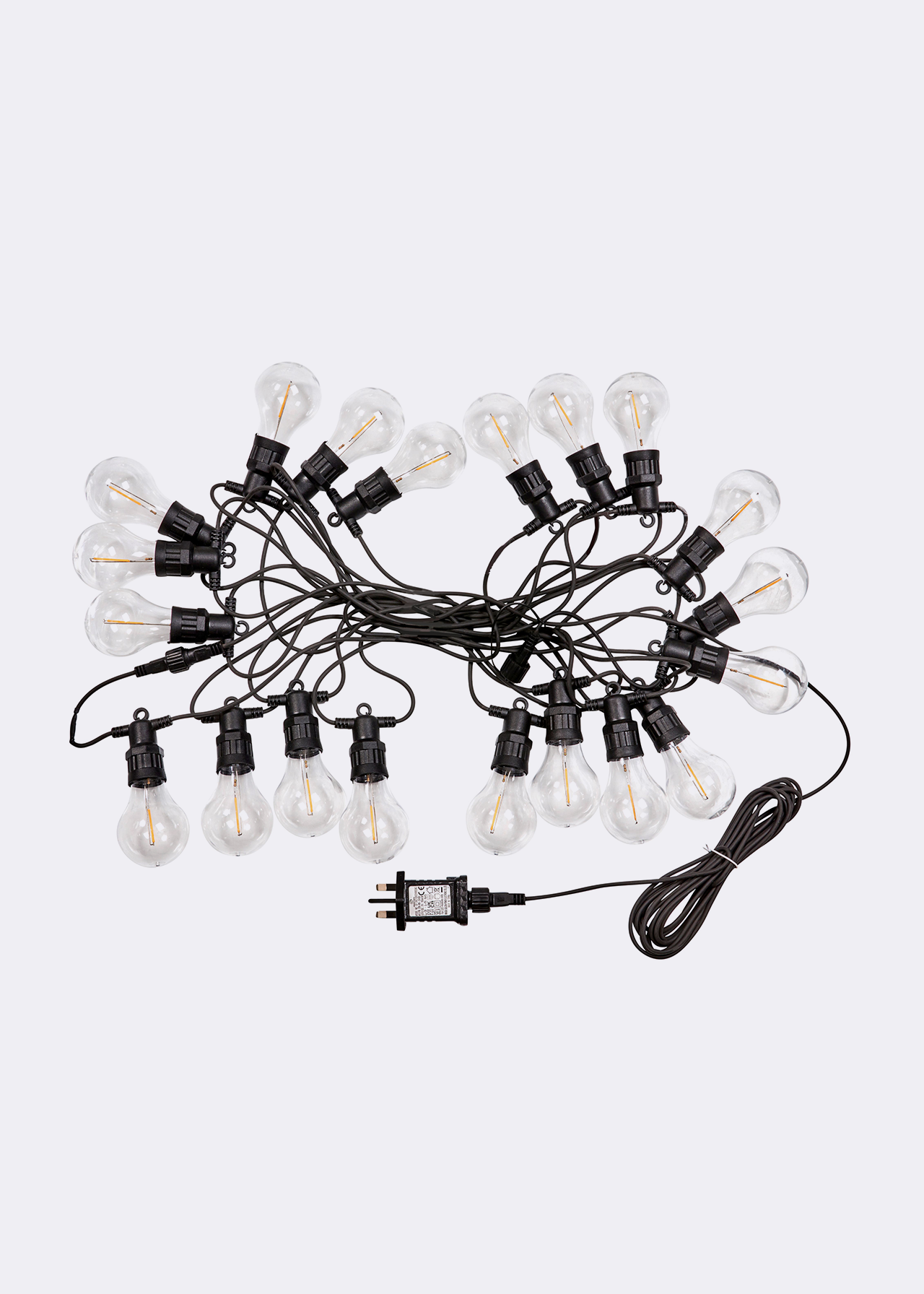
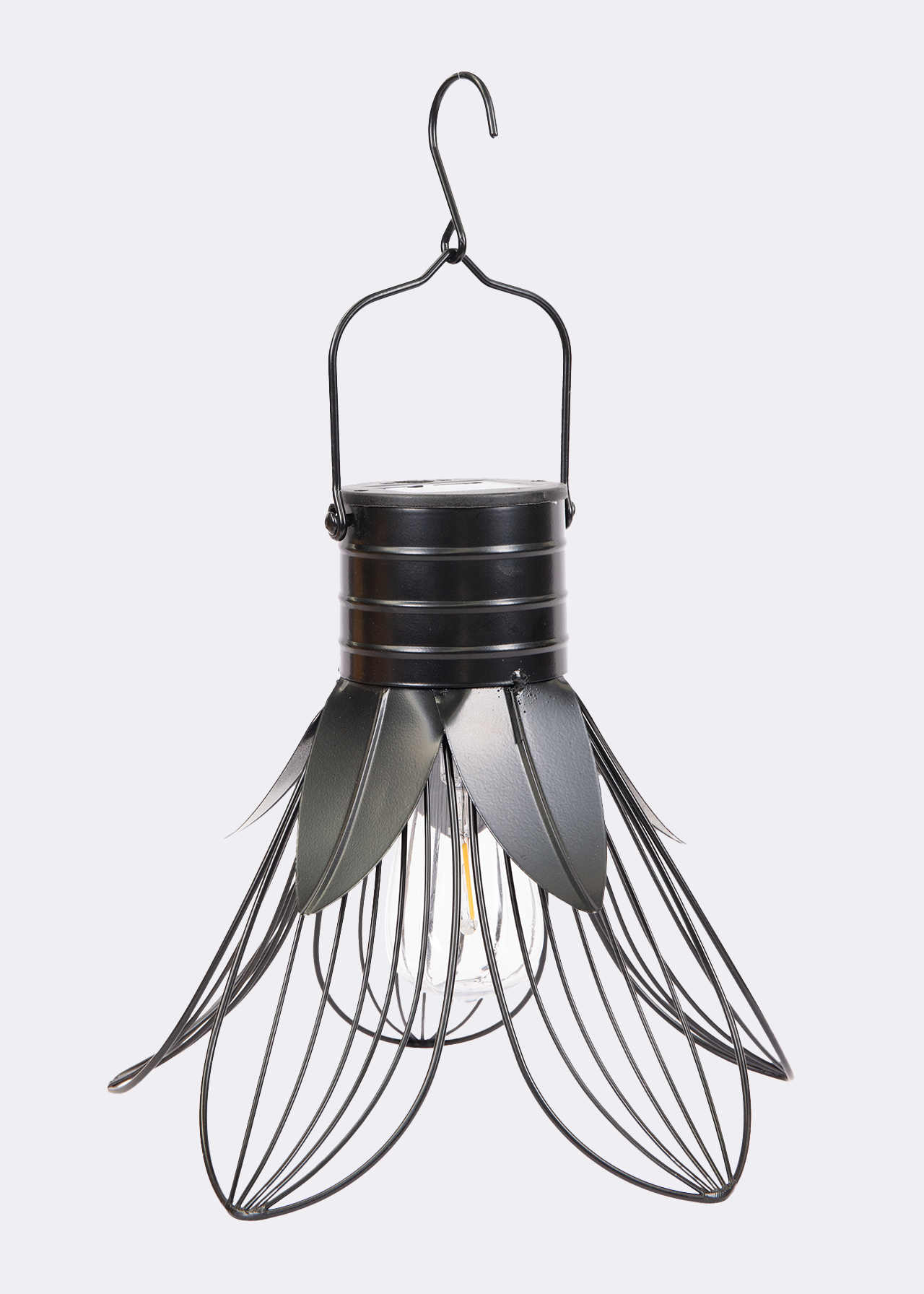
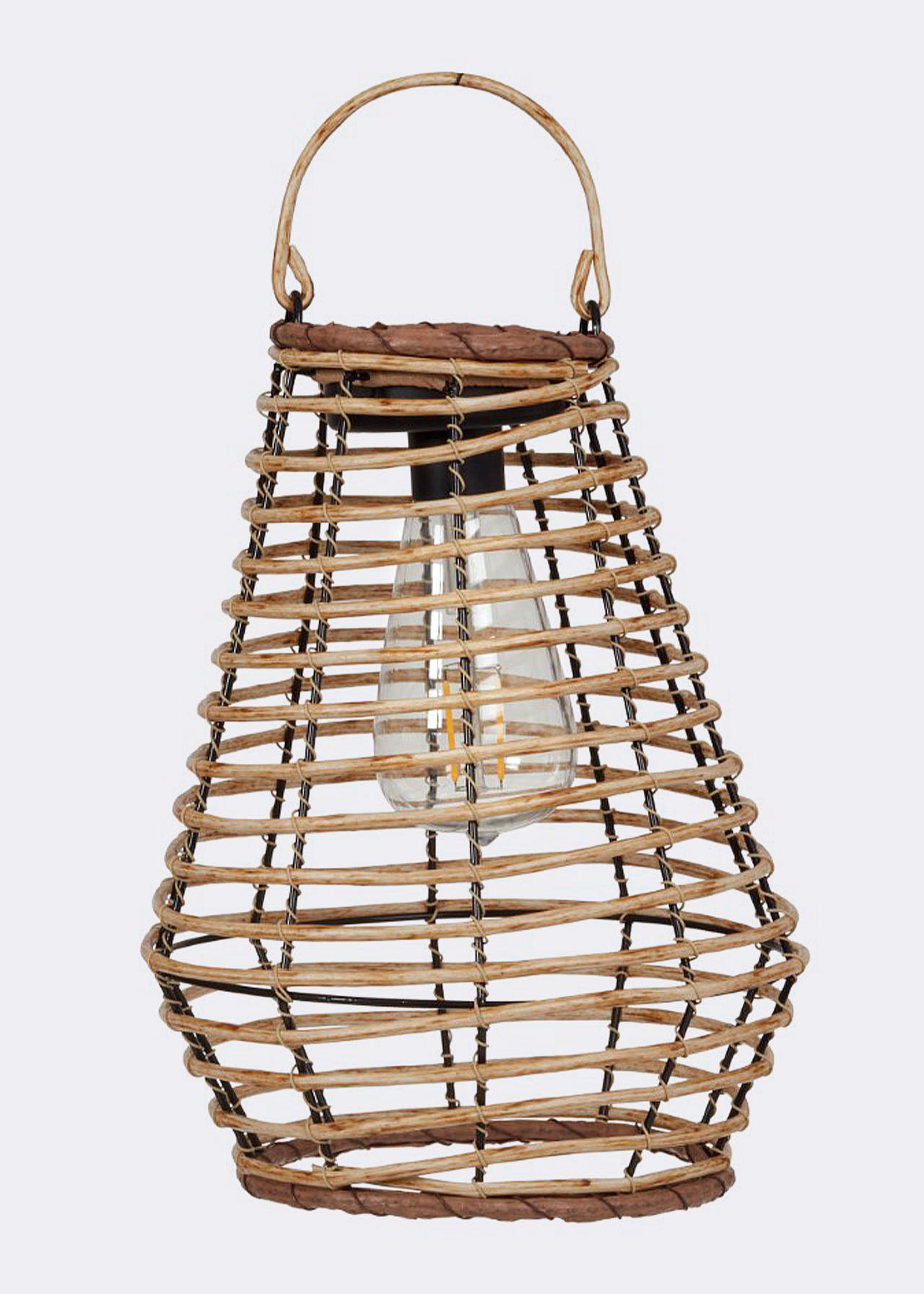
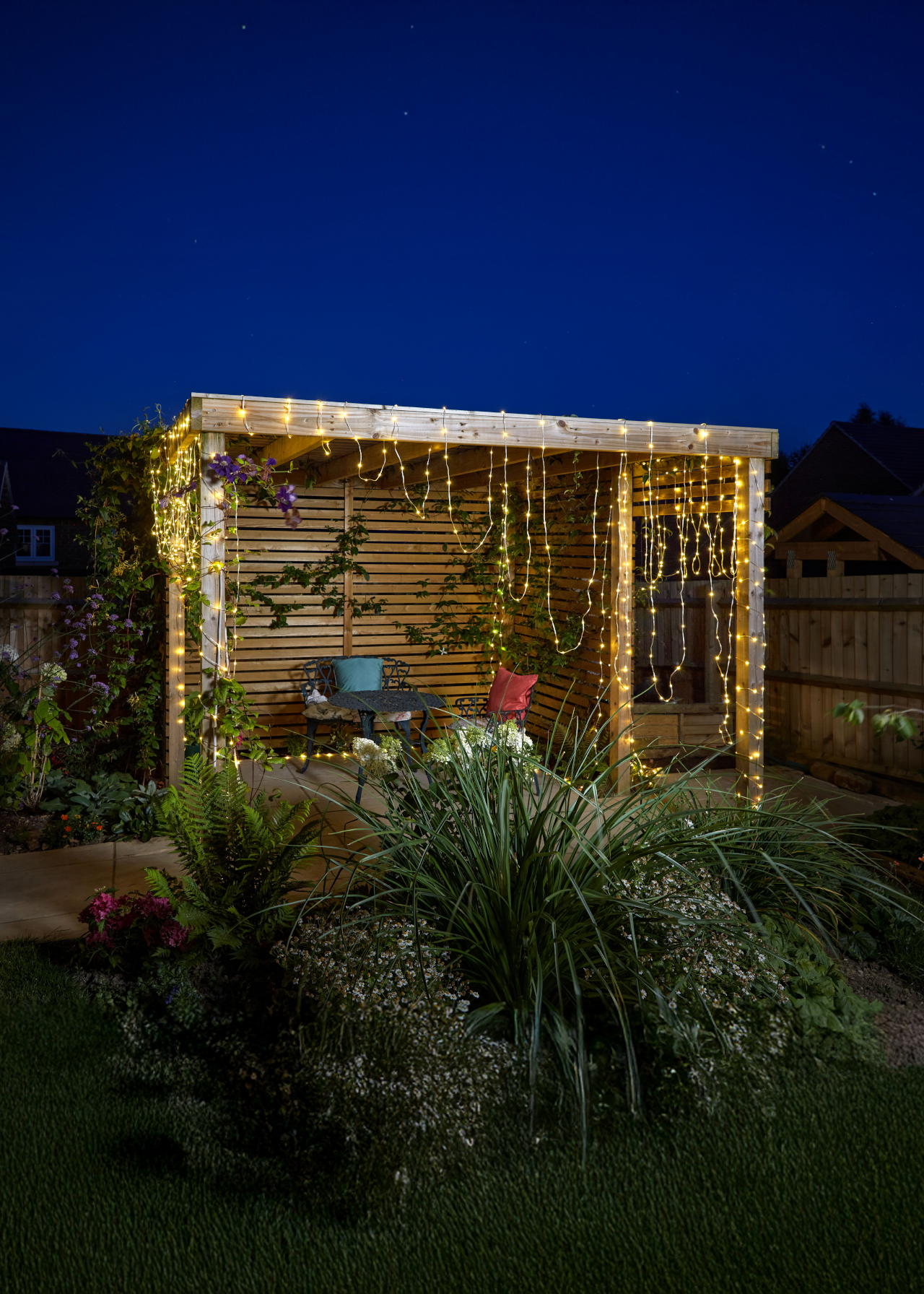
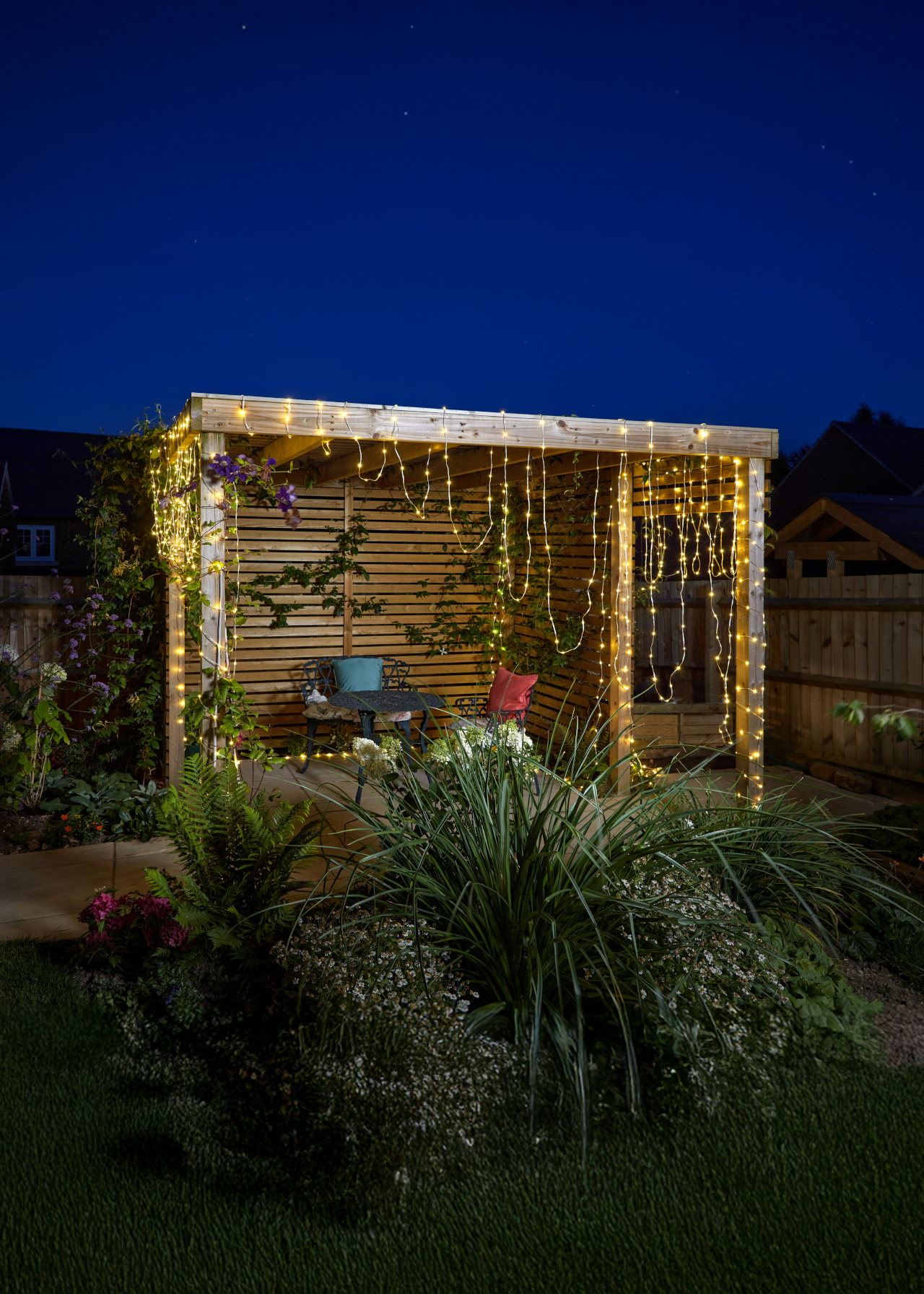
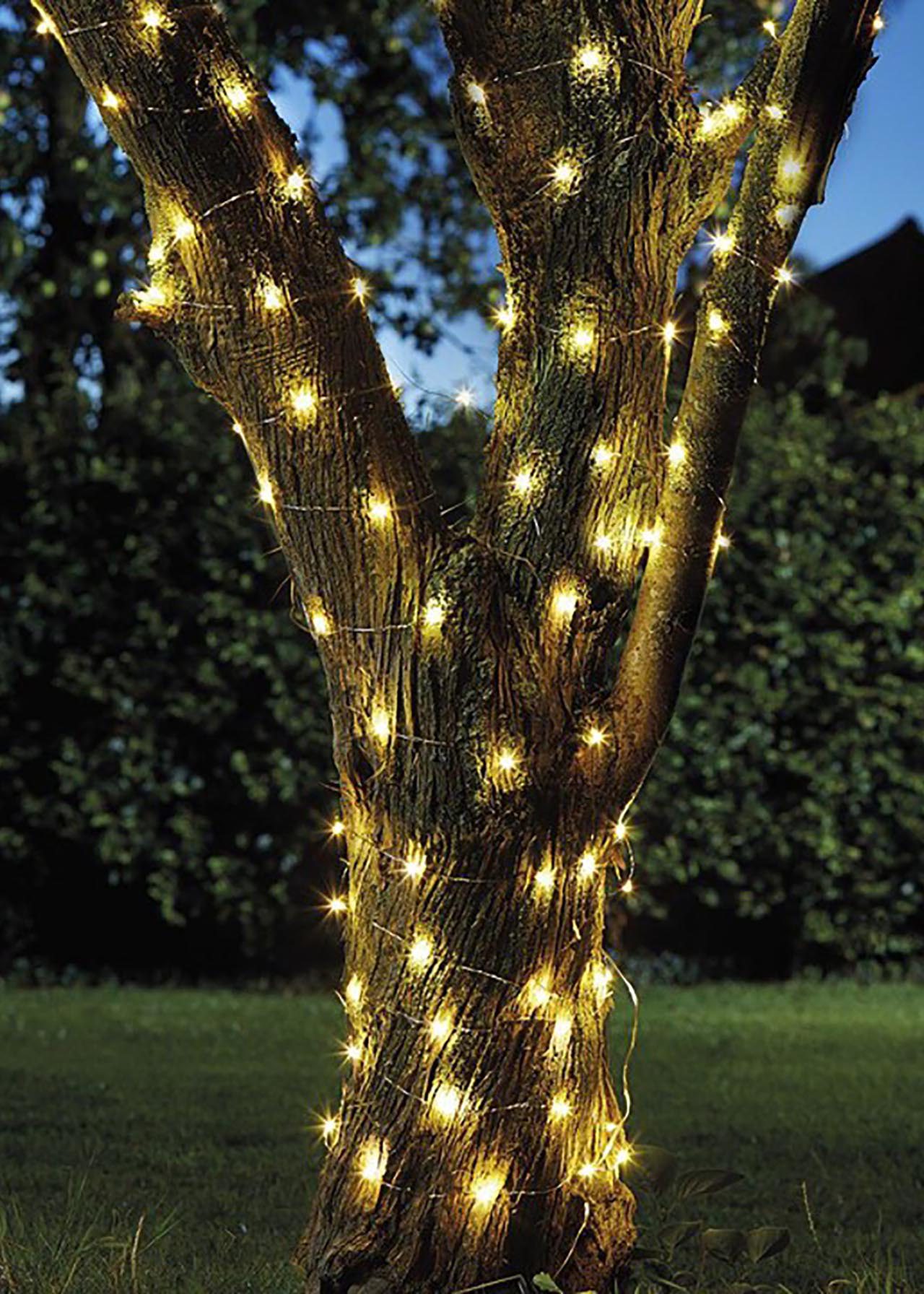
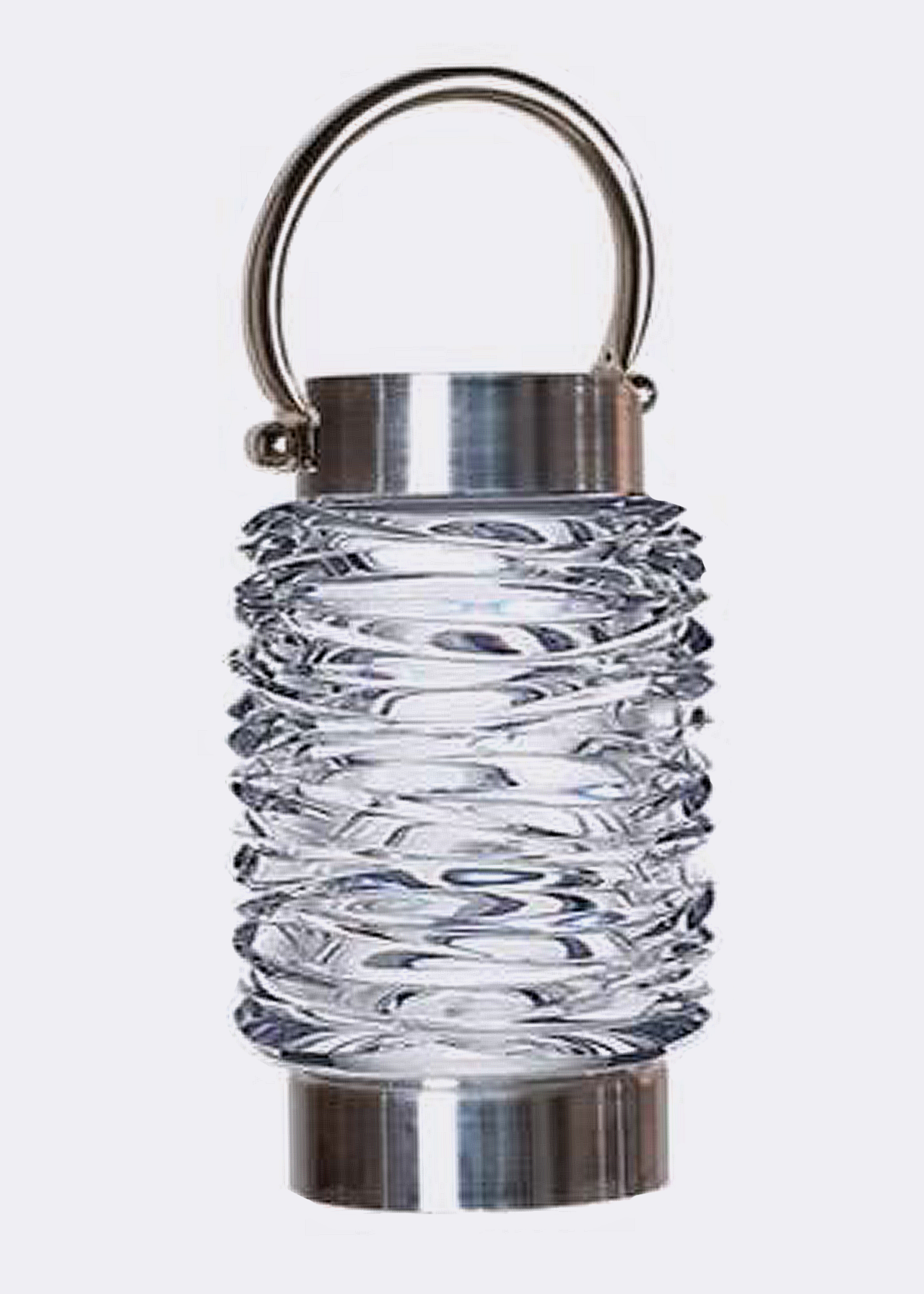
To add drama to your garden, use "uplighting" to illuminate the trunk or canopy of a beautiful tree, or "grazing" to highlight the texture of a stone wall. Decorative lanterns and festoon lights are perfect for defining "zones," such as a dining area or a cosy lounge corner. By using a mix of different light heights and intensities, you can create a layered look that adds depth and character to your outdoor space.
Solar lights and low-voltage (12V) "plug-and-play" kits can be safely installed by any keen gardener. However, if you are installing traditional 240V mains-powered lighting, UK law requires the work to be carried out by a qualified electrician. This ensures that all cables are properly armoured, buried at the correct depth, and connected to a RCD-protected circuit for your safety.